





The Climate-Smart Super Grain
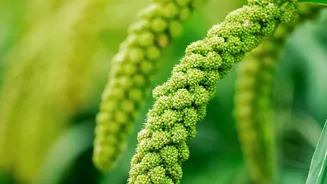
Millets are a group of small-seeded grasses, including well-known varieties in India like jowar (sorghum), bajra (pearl millet), and ragi (finger millet). What makes them exceptional is their incredible resilience. These crops are naturally adapted to
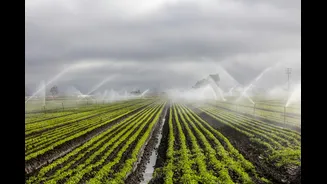
thrive in harsh, dry conditions where staples like rice and wheat would struggle. They require significantly less water—some estimates suggest 70-80% less than rice—and can withstand high temperatures, making them a perfect fit for India's rain-fed and arid agricultural zones. This inherent toughness allows millets to produce a reliable yield even during periods of drought, offering a dependable food source in an era of unpredictable weather patterns.
A Natural Gift to the Soil
Sustainable farming is not just about conserving water; it's also about nurturing the land. Millets excel here, too. Their deep and extensive root systems are fantastic for soil health. They bind the soil, preventing erosion from wind and rain, which is a major problem in dry regions. Furthermore, these roots improve the soil's structure, increasing its ability to absorb and retain water. Unlike water-intensive crops that often require heavy chemical inputs, millets are naturally resistant to many pests and diseases. This reduces the farmer's dependence on expensive and environmentally damaging pesticides and fertilisers, lowering cultivation costs and promoting a healthier ecosystem.
Economic Lifeline for Farmers
For small and marginal farmers, who make up a significant portion of India's agricultural sector, millet cultivation is a game-changer. The lower input costs for water, fertilisers, and pesticides directly translate to reduced production expenses and potentially higher net returns. Their climate resilience means less risk of crop failure, providing a more stable income source compared to sensitive cash crops. As demand for healthy and sustainable foods grows in urban areas, the market for millets is expanding. This shift creates new opportunities for farmers to earn better incomes and participate in value-added activities like processing and packaging, fostering rural development.
A Powerhouse of Nutrition
Beyond the farm, millets offer immense benefits for consumers. Often called 'nutri-cereals', they are packed with essential nutrients. They are rich in dietary fibre, protein, and vital minerals like iron, calcium, and zinc. For instance, ragi is exceptionally high in calcium, while bajra is a great source of iron. Millets also have a low glycemic index, which helps in managing blood sugar levels, making them a suitable grain for diabetics. As they are naturally gluten-free, they cater to a growing population with specific dietary needs. Integrating these grains back into the national diet can play a crucial role in tackling malnutrition and promoting public health.
The Policy Push for a Millet Revival
Recognising their vast potential, the Indian government has been actively promoting millets, often referred to as 'Shree Anna'. Initiatives like the National Food Security Mission and providing a Minimum Support Price (MSP) encourage farmers to cultivate these grains. The declaration of 2023 as the International Year of Millets by the UN, at India's behest, created significant global awareness. Schemes like the Production Linked Incentive (PLI) for millet-based products are also boosting the ecosystem, from processing to export, ensuring that the entire value chain is strengthened. This concerted effort is helping to restore millets to their rightful place in India's food landscape.