


More Than Just a Condiment
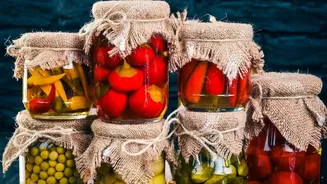
In India, a pickle is not merely a side dish; it is a cultural emblem, a vessel of history, and a testament to culinary ingenuity. For centuries, pickling was born of necessity—a way to preserve seasonal fruits and vegetables through the year. This practical
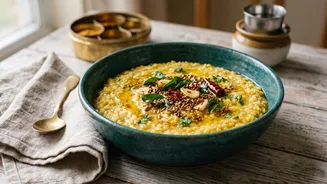
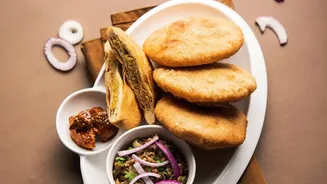
art form blossomed into a rich tradition, with every region, community, and even family developing its own signature recipes. Achar is the secret weapon of the Indian kitchen, a concentrated burst of tangy, spicy, sweet, or sour notes that can elevate the humblest of meals, from khichdi and curd rice to a simple paratha. That small serving on the side of the plate carries stories of geography, climate, and ancestral wisdom.
Northern Nuances: Robust and Pungent
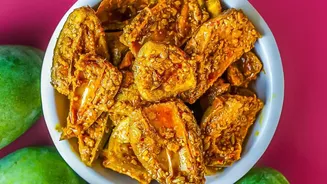
Travel to the North, and you'll find pickles that are bold and assertive, largely thanks to the generous use of mustard oil. The classic Punjabi Aam ka Achar, or mango pickle, is a prime example. Here, chunks of raw mango are sun-dried and submerged in a potent mix of spices like fennel, fenugreek, and onion seeds, all bound by that characteristic pungent mustard oil. Another Northern favourite is the Gajar-Gobi-Shalgam pickle, a winter specialty made from carrots, cauliflower, and turnips, offering a crunchy texture and a tangy-sweet flavour profile that beautifully complements the hearty cuisine of the region.
Southern Fire: Tangy and Intense
Venture south, and the pickle landscape shifts dramatically. The flavours here are often fiery, relying on sesame (gingelly) oil, which imparts a nutty, rich undertone. Andhra Pradesh is arguably the heartland of spicy pickles, famed for its iconic Avakaya. This is a raw mango pickle where the fruit is marinated in a blistering blend of mustard powder and red chilli, creating an intense, mouth-watering experience best enjoyed with hot rice and a dollop of ghee. Equally beloved is Gongura pickle, made from sour sorrel leaves, which provides a unique tangy and spicy kick that is quintessentially Andhra.
Western Wonders: A Symphony of Sweet and Sour
The western states, particularly Gujarat, are masters of balancing sweet, sour, and spicy notes. The most famous example is Chhundo, a grated raw mango pickle that is both sweet and spicy. Traditionally, it was made by letting the mix of grated mango, sugar, and spices mature in the sun for days until the sugar melts into a thick syrup. A close cousin is Gor Keri, where mango chunks are cooked with jaggery and spices to create a sweet and tangy pickle that is a perfect companion to theplas and bhakris. These pickles showcase a different philosophy, where the pickle is not just a fiery counterpoint but a harmonious flavour component.
Eastern Exotics: Fermented and Fiery
In the East and Northeast, the world of pickles takes another fascinating turn, introducing unique ingredients and fermentation techniques. Bengal is famous for Kasundi, a sharp and pungent fermented mustard sauce that serves as both a pickle and a dip. Further into the Northeast, you'll discover pickles made from bamboo shoots, which have a distinct, slightly funky flavour profile. And for the truly adventurous, this region is home to the Bhut Jolokia or 'ghost pepper' pickle. Once certified as the world's hottest chilli, its pickle offers not just extreme heat but also a unique smoky flavour that is unforgettable.