





The Free Lunch That Fueled a Revolution
Since its launch, the Unified Payments Interface (UPI) has transformed India's economy. The key to its explosive growth was a simple but powerful promise: zero cost for both users and merchants. In January 2020, the government mandated a zero Merchant
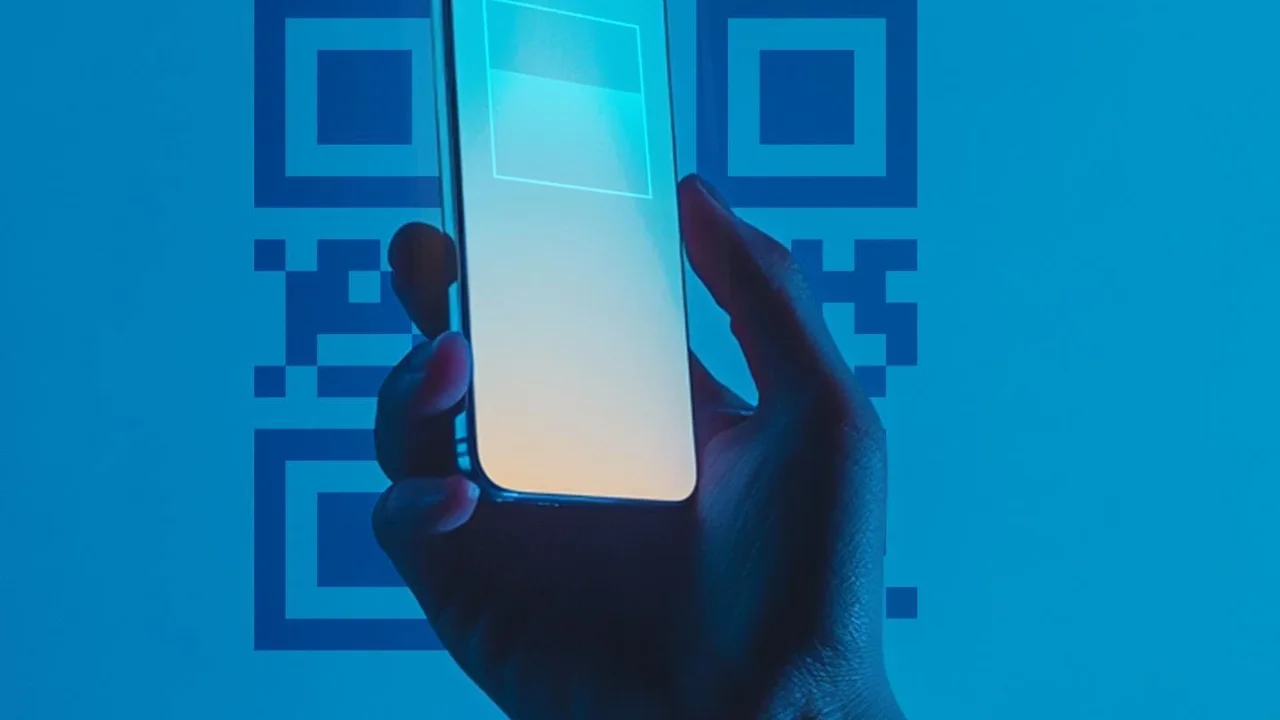
Discount Rate (MDR) for UPI transactions. This meant that unlike credit or debit cards, where merchants pay a small fee on every transaction, UPI payments were completely free for them to accept. This policy fueled unprecedented adoption, making QR codes a common sight everywhere, from high-end stores to local vegetable carts. In July 2026 alone, UPI processed a staggering 23.66 billion transactions. The zero-cost model made digital payments accessible to millions, driving financial inclusion and reducing the reliance on cash.
The Cracks in the Foundation
While UPI appears free to the end-user, it isn't free to operate. Behind every successful scan-and-pay is a complex infrastructure of banks, payment service providers (like PhonePe and Google Pay), and the National Payments Corporation of India (NPCI). These entities incur significant costs for maintaining the technology, ensuring cybersecurity, managing fraud risks, and providing customer support. An RBI paper once estimated that a single UPI transaction of ₹800 costs about ₹2 to process. With billions of transactions happening every month, these costs add up. Currently, the government provides some subsidies to the industry to cover these expenses, but there are growing concerns that this model is not sustainable in the long run as transaction volumes soar. This has sparked a debate on how to fund India’s most critical piece of financial infrastructure.
Enter the ‘MDR’ Debate
The main point of discussion is the Merchant Discount Rate, or MDR. This is the fee a merchant pays to their bank or payment provider for processing a digital transaction. While it's zero for UPI right now, industry players and some policymakers argue that reintroducing a small, calibrated MDR is necessary to make the ecosystem financially self-sufficient. The argument is that a reliable revenue stream would encourage continued investment in technology and security. Recently, the government passed the Taxation and Other Laws (Amendment) Bill, 2026, which empowers it to allow charges on UPI, opening the door for MDR to return. This move doesn't automatically impose a fee but creates the legal pathway for one to be introduced in the future.
What Could This Mean for You?
The government and the Finance Minister have repeatedly clarified that consumers will not have to pay for UPI transactions. All person-to-person (P2P) payments, like sending money to a friend, will remain free. The debate is focused on person-to-merchant (P2M) transactions. Even here, the proposal is not for a blanket charge. The idea being discussed is a 'tiered' or 'calibrated' MDR, which would likely apply only to high-value transactions or large merchants with significant turnover. Small, everyday purchases for groceries or tea would almost certainly remain free for merchants to accept. The concern, however, is that if larger merchants are charged an MDR, they might pass that cost on to customers through higher prices, though officials argue this is unlikely given they already absorb higher fees for card payments.
The Government and RBI's Tightrope Walk
Regulators are walking a fine line. On one hand, the government wants to continue the digital payments push that UPI's free model has so successfully driven. On the other, the RBI and financial institutions need to ensure the long-term health and stability of the payments ecosystem. The official position is one of caution. While the legal framework for charges is being enabled, no final decision on the rate, transaction threshold, or implementation date has been made. The NPCI's steering committee will ultimately work out the details. The goal is to find a middle path that ensures UPI remains a public good for the vast majority of users and small merchants while creating a sustainable business model for the companies that keep the system running.