




The Shift Worker's Sleep Challenge
Working when it's dark and trying to sleep when it's light is more than just inconvenient; it's a direct challenge to your body's internal clock, known as the circadian rhythm. This 24-hour cycle governs everything from hormone release to body temperature
and, most importantly, your sleep-wake patterns. For people on a standard schedule, this clock aligns with the sun. But for shift workers, the constant conflict between their work schedule and the natural day-night cycle can lead to what's known as shift work sleep disorder. This condition causes persistent sleepiness and fatigue, making it difficult to function both at work and at home, and can have long-term health consequences.
Light: Your Body's Master Controller
The single most powerful signal for your circadian rhythm is light. Specialized receptors in your eyes detect the brightness and color of light in your environment. When they sense bright, blue-rich light (like midday sun or the light from many standard LED bulbs and electronic screens), they send a message to a part of your brain called the suprachiasmatic nucleus (SCN). The SCN acts as the body's master clock, and this light signal tells it, "It's daytime! Be alert!". In response, it suppresses the production of melatonin, the hormone that makes you feel sleepy. This is a brilliant system for a 9-to-5 life, but for a night shift worker trying to sleep at 9 a.m., it's a significant problem.
Creating an Artificial Sunset
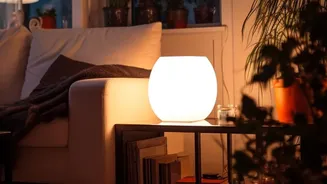
This is where adjusting your indoor light comes in. By dimming the lights in your home after your shift ends—even if the sun is rising outside—you can trick your brain into starting its wind-down process. Reducing the intensity of indoor lighting mimics the natural transition from day to night. This signals to your SCN that the day is ending, allowing your body to begin producing melatonin. This crucial hormonal shift is what initiates feelings of drowsiness and prepares you for sleep. Without this period of dim light, your brain can remain in an alert, 'daytime' mode, making it nearly impossible to fall asleep peacefully, no matter how tired you feel after a long shift.
Prioritizing Deep Sleep Quality
Getting enough sleep isn't just about the number of hours; it's about the quality. Sleep occurs in cycles, with one of the most vital stages being deep sleep, or slow-wave sleep. This is when your body does most of its repair work: muscles are restored, memories are consolidated, and the brain clears out metabolic waste. Studies have shown that exposure to blue-rich light before bedtime can decrease the amount of deep sleep a person gets in a night. By creating a dim-light environment, you're not just helping yourself fall asleep faster; you're promoting the conditions necessary for your body to enter and remain in this deeply restorative sleep stage, which is critical for recovering from the physical and mental demands of your job.
Actionable Steps for Better Rest
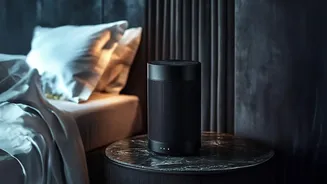
Taking control of your light environment is one of the most effective ways to improve your sleep. Start your 'evening' on the commute home by wearing sunglasses or, even better, glasses that specifically block blue light. Once home, make your bedroom a cave: use blackout curtains or blinds to eliminate all outside light. An hour or two before you plan to sleep, dim the lights in the rooms where you spend time. Consider installing dimmer switches or using smart bulbs that can be programmed to emit a warmer, less-intense light. Finally, avoid screens like phones, tablets, and TVs in the hour before bed, as their direct blue light exposure is a powerful signal to stay awake. If you must use them, switch them to 'night mode' to reduce blue light emission.