


A Dish of Two Parts
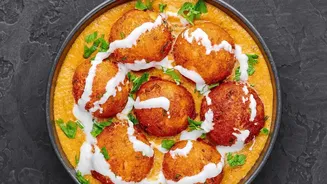
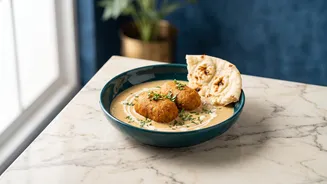
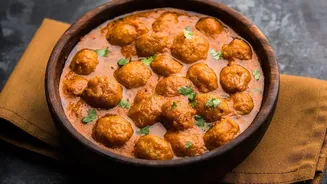
Unlike a standard paneer curry, where cubes of cheese are added to a finished gravy, Malai Kofta is a two-part masterpiece. The heart of the dish is the 'kofta', a delicate dumpling that requires its own preparation. These aren't just balls of paneer;
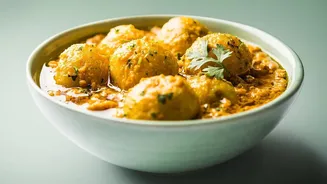
they are a carefully crafted mix of mashed potatoes, grated paneer, and sometimes mawa (milk solids), all bound together with flour or cornstarch. This mixture is seasoned, often studded with chopped nuts and raisins for a surprising sweetness and texture, and then rolled into balls and deep-fried until golden and crisp. This process alone makes it a dish of patience and technique, far removed from simply dicing a block of paneer.
The Royal Heritage of the Kofta
The story of the kofta is a journey through history. The concept originated in Persian and Central Asian cuisine, where 'kufta' literally means 'pounded meat'. These spiced meatballs were introduced to the subcontinent during the Mughal era, becoming a staple in royal kitchens. As Mughlai cuisine blended with local culinary traditions, vegetarian adaptations began to emerge to cater to the Indian palate and customs. Malai Kofta is a direct descendant of this royal lineage, a vegetarian interpretation of a dish once made for emperors. This legacy elevates it from an everyday curry to a celebratory meal, historically reserved for special occasions and feasts.
It's All in the Gravy
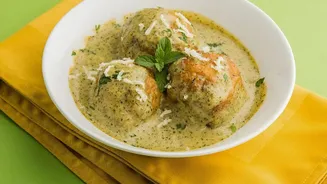
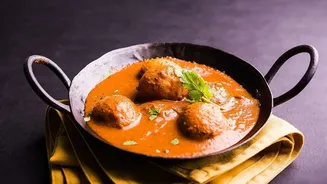
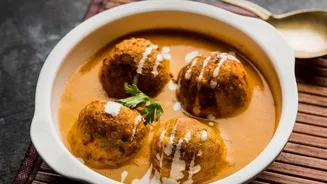
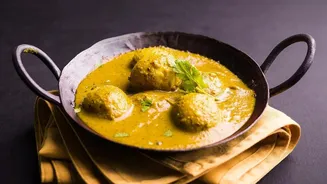
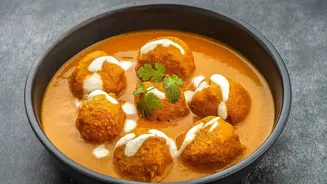
The 'malai' (cream) in the name points to the silken, luxurious gravy, but it’s not a generic, one-size-fits-all sauce. While many popular paneer dishes feature a vibrant, tomato-forward gravy, a traditional Malai Kofta curry is often paler and subtler. Its richness comes from a base of puréed onions and, most importantly, cashews, which create a velvety texture and creamy consistency without being overly reliant on tomato's acidity. Spices like cardamom, cinnamon, and nutmeg are used delicately to perfume the sauce rather than deliver a fiery punch. The result is a smooth, sophisticated gravy designed specifically to complement the soft koftas without overpowering them.
A Masterclass in Texture
The true magic of Malai Kofta lies in its textural contrast—something a simple paneer dish cannot replicate. First, you experience the incredibly smooth, creamy gravy. Then, you encounter the kofta itself. The exterior, having been fried, provides a slight resistance before giving way to a melt-in-your-mouth interior. The koftas are soft, almost pillowy, and designed to soak up the surrounding curry. This interplay between the crisp-then-tender dumpling and the velvety sauce is the dish's defining characteristic. It’s a carefully engineered experience, where the koftas are often added to the gravy just before serving to maintain their integrity.