




Beyond the Monolith
For years, the perception of Indian cuisine, particularly outside of India, was confined to a predictable and often simplified menu. This narrative is finally changing as chefs actively challenge the old stereotypes. There is a growing confidence to present
authentic Indian food without trying to simplify it for international audiences. This shift is moving away from the idea that Indian food needed to be altered to be appreciated globally. Instead, there is a focus on honesty and authenticity, which is helping diners connect with the cuisine on a deeper level. This new era is less about conforming and more about proudly showcasing the real, diverse flavours of India.
The Rise of Regionality
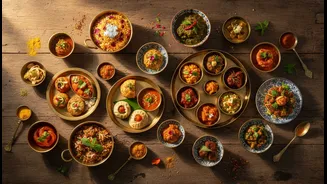
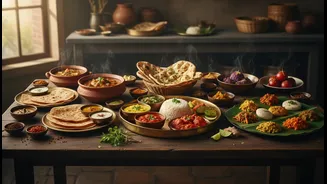
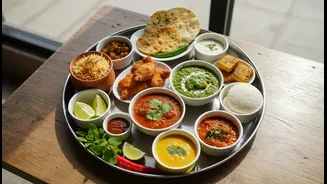
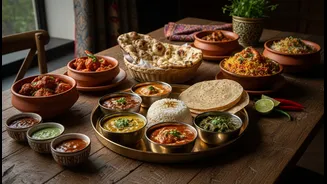
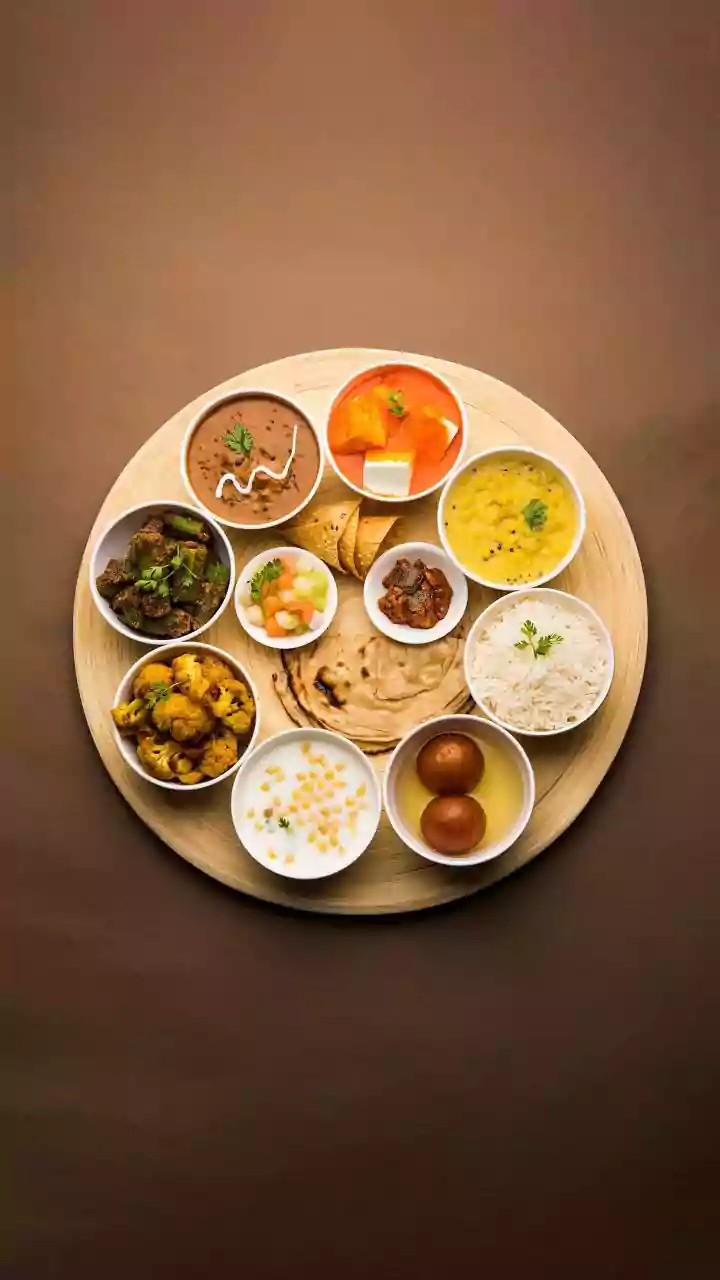
A key part of this culinary renaissance is the enthusiastic embrace of regionalism. Restaurants are now diving deep into the provincial cooking of specific states, highlighting dishes rarely seen outside of Indian homes and roadside stalls. Instead of a single "North Indian" menu, establishments are proudly showcasing the distinct culinary traditions of areas like Punjab, Bengal, Goa, and the various regions of the South. Diners can now experience the unique spice blends of Kolhapuri cuisine, the subtle smokiness of Naga dishes, or the tangy river fish curries of Kerala. This trend acknowledges that Indian cuisine isn't one single entity but a collection of hundreds of distinct food cultures, each with its own history and flavour profile.
Innovation Meets Heritage
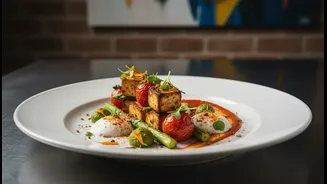
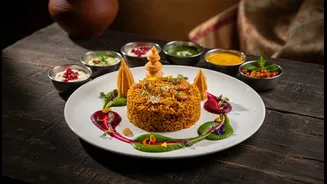
This celebration of identity is not just about looking to the past; it's also about innovating for the future. Modern chefs are blending time-honoured Indian cooking techniques with contemporary methods and global influences. This might involve using sous-vide to perfect a traditional mutton curry or reimagining a classic street food dish with fine-dining presentation. The focus is on a thoughtful fusion that respects the original flavours while offering a new experience. Dishes like Jaffna chicken skewers with raw mango chutney or a chocolate chilli Basque cheesecake made with Andhra chillies demonstrate a daring yet grounded approach. It’s a move away from performative fusion, like 'chicken tikka pizza', towards a more structural and intellectual reimagining of what an Indian dish can be.
The Story on the Plate
The new wave of Indian restaurants is also about storytelling. Diners are increasingly curious about the history and origin of their food. In response, chefs are acting as culinary archivists, reviving forgotten recipes and ingredients before they disappear. There is a renewed focus on indigenous ingredients like thangnyer chillies, Bandel cheese, and heirloom grains that were previously overlooked. Menus are becoming narratives, telling stories of a chef’s personal journey, a specific region's heritage, or a farming community's produce. By spotlighting these ingredients and the communities that grow them, restaurants are preserving not just recipes, but entire cultural and ecological histories.