
Why Visit in the Monsoon?
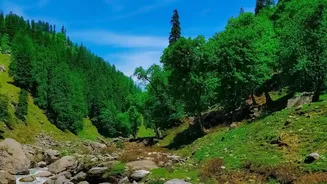
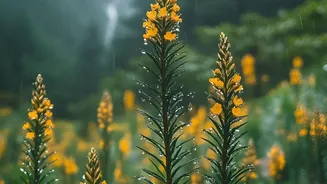
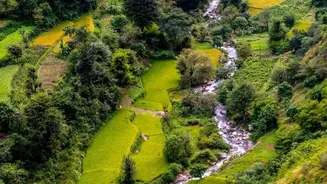
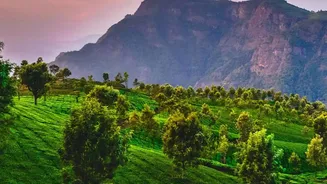
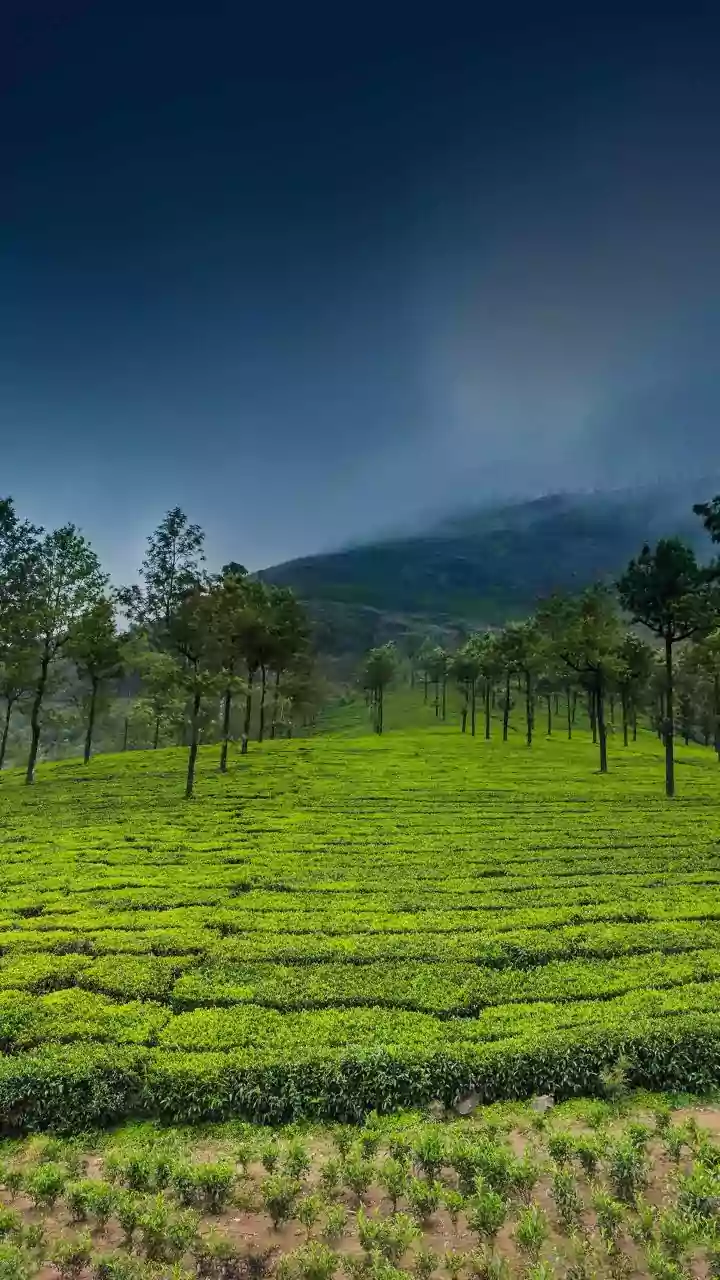
A monsoon trip to the hills often raises concerns about safety, but when planned carefully, it offers an unparalleled experience. This is the season when the valleys are at their most vibrant, washed clean by the rains and cloaked in a thousand shades
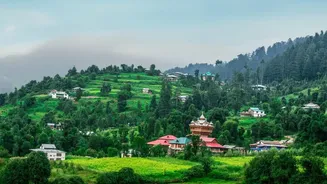
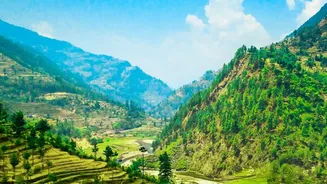
of green. The tourist rush thins out, leaving behind a quiet and tranquil atmosphere. It's a time for slow travel, for sipping tea while watching clouds drift through cedar forests, and for seeing waterfalls in their full, roaring glory. Destinations like Tirthan Valley and Shoja, which are beautiful year-round, transform into exceptionally lush and serene paradises during the rains, offering a more intimate connection with nature.
Tirthan Valley: A Riverside Haven
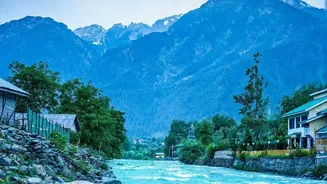
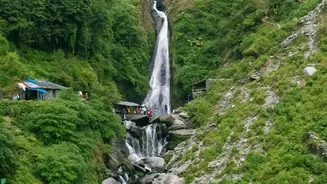
Nestled along the pristine Tirthan River, this valley is the gateway to the Great Himalayan National Park, a UNESCO World Heritage Site. During the monsoon, the river is a powerful, gushing presence, and the surrounding forests feel intensely alive. While multi-day treks into the park's core zone are best avoided due to slippery trails, there are plenty of safer, equally rewarding activities. You can take short, gentle hikes to nearby waterfalls like Chhoie Waterfall, which becomes a majestic cascade during this season. Village walks through hamlets like Gushaini and Nagini offer a glimpse into the slow-paced local life. The valley is also famous for its trout, and while fishing depends on weather conditions, simply relaxing by the riverside is a meditative experience in itself.
Shoja: A Quiet Hamlet in the Clouds
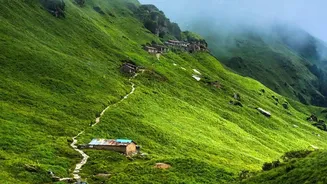
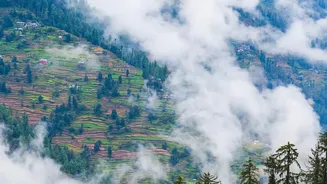
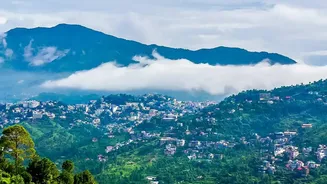
A short, scenic drive up from the main Tirthan Valley road leads to Shoja, an even quieter and more secluded village. Perched at a higher altitude of around 8,500 feet, Shoja is often enveloped in a cinematic mist during the monsoon, giving it a dreamlike quality. This tiny hamlet is perfect for those who truly want to disconnect. The main activities here are simple: take long walks on empty roads, read a book in a cozy homestay, or simply watch the fog roll over the deodar forests. Shoja serves as a base for the drive to Jalori Pass, though the pass itself and the trek to Serolsar Lake can be tricky and slippery in heavy rain. However, the beauty of Shoja lies not in ticking off a list of sights, but in its profound peace and silence.
Embracing Local Life: Homestays and Cuisine
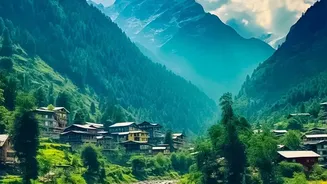
The true charm of this region lies in its authentic homestays. Ditching hotels for a stay with a local family offers an unfiltered experience of Himachali hospitality. These traditional homes, often built in the Kath-Kuni style of wood and stone, provide cozy shelter from the rain and a chance to savour delicious home-cooked meals. You can find everything from rustic guesthouses to boutique homestays offering stunning valley views. It’s an opportunity to try local dishes like Siddu (steamed bread) and enjoy the warmth of a tandoor while it drizzles outside, making your stay as much about cultural immersion as it is about nature.
A Practical Guide for a Safe Monsoon Trip
Travelling to Himachal in the monsoon requires caution but is manageable with smart planning. Always check the weather forecast and road conditions before you start your journey; local authorities and tourism portals provide regular updates. It is crucial to avoid driving at night, as rain and fog can severely reduce visibility. Pack wisely: a good raincoat, waterproof shoes with strong grip, and a waterproof bag cover are essential. While the road to Tirthan and Shoja via Aut is generally open, be prepared for potential delays due to minor landslips during heavy downpours. Inform your host about your travel schedule and always prioritise safety over speed. A slower, more mindful journey is the key to a successful monsoon retreat.