






What Exactly Is Living Heritage?
Unlike tourism focused on ancient ruins or museums, living heritage—also known as Intangible Cultural Heritage—is about the traditions, skills, and knowledge that people practise today. According to UNESCO, this includes oral traditions, performing arts,
social practices, rituals, and craftsmanship. It’s the song your guide sings, the pattern woven into a shawl, or the way a community manages its land. This heritage is dynamic; it’s passed down through generations and adapts over time, making it a powerful expression of cultural identity. When you engage with living heritage, you’re not just a spectator; you’re witnessing a culture in motion.
The World of Pastoral Communities
Pastoral communities are prime examples of living heritage. In India, groups like the Gaddis and Bakarwals in the Himalayas, the Raikas and Rabaris in Rajasthan, or the Maldharis in Gujarat have for centuries moved with their livestock in rhythm with the seasons. Their lives are a complex tapestry of ecological knowledge, animal husbandry, and social customs. They are not simply wanderers; they are stewards of vast, often fragile, ecosystems, maintaining grasslands and biodiversity through their managed grazing practices. However, this way of life is under threat. Shrinking grazing lands, restrictive policies, and climate change are creating immense pressure on these communities. Tourism can either add to this pressure or become a force for good.
Why Respect Is the First Step
For travel to be a positive force, it must be built on a foundation of respect. For pastoral communities, whose cultures are often misunderstood or romanticised, this is non-negotiable. Unmanaged tourism can lead to the commodification of their culture, environmental degradation, and social disruption. In some areas, conservation policies intended to protect nature have ironically excluded pastoralists, harming both their livelihoods and the local ecology. Respectful travel, therefore, isn't just about being polite. It is about acknowledging the community’s rights, expertise, and agency. It's about ensuring that the encounter is a two-way exchange, not a one-sided transaction where culture is consumed.
A Guide to Respectful Engagement
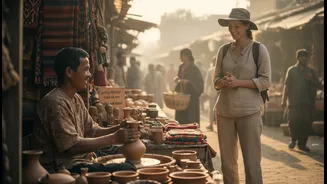
So, how can you be a respectful traveller? It begins with intention and awareness. The goal is to ensure that your visit supports and empowers the community. First, always seek permission before taking photographs or videos of people or their homes. A camera can feel intrusive, and a simple question shows that you see them as people, not just subjects. Second, engage through community-led experiences. Hire local guides from the community itself, stay in homestays if offered, and choose operators committed to ethical guidelines. This ensures that the economic benefits flow directly back to the people who are sharing their world with you. Third, be a conscious consumer. Buy handicrafts directly from the artisans who make them and pay a fair price. This supports their skills and provides a sustainable income that values their traditional craftsmanship. Finally, listen and learn. Approach the experience with humility, ready to understand a different way of life rather than judging it by your own standards.
Beyond the Visit: A Partnership for Preservation
When done right, living-heritage travel is more than a vacation; it's a form of partnership. It offers travellers a deeply meaningful connection and a richer understanding of the world. For host communities, it can provide a vital alternative income that helps them preserve their traditions in the face of immense external pressures. By choosing to travel with respect, you contribute to a model of tourism that values cultural diversity and sustainability. You become part of a global movement that recognizes that these living cultures are not just part of our collective past, but are essential to a vibrant and diverse future. This approach transforms a simple trip into a powerful act of cultural appreciation and support.