






Your First Step: Weather Alerts
Before checking any specific transport, your primary source should be the India Meteorological Department (IMD). The IMD is the government's official agency for weather forecasting and issues colour-coded alerts that are crucial for travel planning. You
can access these via its official website (mausam.imd.gov.in) or the 'Mausam' app. Understanding the alerts is simple: Green means all is clear; Yellow advises you to be aware of potential bad weather; Orange signals a high likelihood of disruptions to transport and you should be prepared to alter plans; and Red is a warning to take action, meaning severe conditions are expected and non-essential travel should be avoided.
Navigating Air Travel Turbulence
Flight delays and cancellations are common during heavy rains due to low visibility and waterlogging at airports. Your first point of call should always be the airline's official website or mobile app for the most immediate updates on your flight's status. It is also wise to book flights with a buffer, especially if you have a connection, as delays tend to build up throughout the day. For a more streamlined airport experience, consider using the Digi Yatra app. Available at many major airports, it uses facial recognition for paperless entry and boarding, which can help you navigate through exclusively assigned gates faster, even when there's chaos.
Tracking Your Train Journey
Indian Railways is the lifeline of the country, but it's vulnerable to monsoon disruptions like waterlogged tracks and landslides, especially in hilly regions. The most reliable tool for tracking trains is the National Train Enquiry System (NTES), managed by the Centre for Railway Information Systems (CRIS). You can access NTES via its official website, mobile app, or by calling the helpline number 139. The 'Spot Your Train' feature provides the real-time location of your train, any delays, and expected arrival times. The system also has a section for 'Exceptional Trains', which lists cancelled, rescheduled, and diverted services, updated multiple times a day. Checking this before leaving for the station can save you from long, unnecessary waits.
Assessing Road Conditions
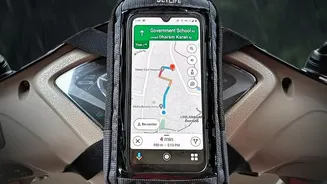
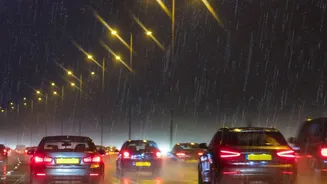
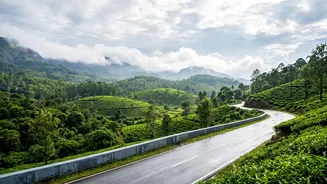
Driving during the monsoon can be hazardous due to slick roads, hidden potholes, and the risk of landslides in ghat sections. Unlike trains and flights, there isn't one single national system for all road updates. However, a multi-layered digital check can keep you informed. Start with real-time navigation apps like Google Maps for live traffic data. For national highways, the 'Rajmargyatra' app provides authoritative updates on road work and closures. It's also highly recommended to check the social media accounts (especially X, formerly Twitter) of the traffic police departments for the cities and states along your route, as they often post real-time blockage information.
Essential Monsoon Travel Tips
Beyond tracking disruptions, a few preparations can make your journey safer. Pack a waterproof bag for your electronics and important documents. Keep a power bank fully charged, as you'll rely on your phone for updates. If travelling by road, ensure your vehicle's tyres, wipers, and brakes are in excellent condition. For all modes of travel, build extra buffer time into your schedule; a journey that takes six hours in the dry season might take longer during the rains. Finally, consider travel insurance, especially for flights, as policies can cover costs related to delays and cancellations due to weather.