
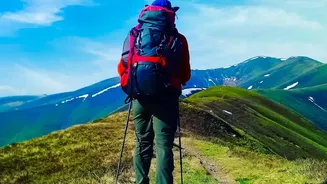
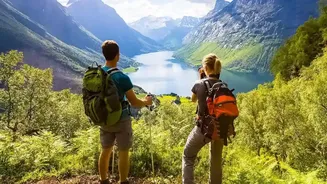

The Four-Season Day Dilemma
It’s a common saying among locals and seasoned hikers: in the Rockies, you can experience all four seasons in a single day. It might be a warm, sunny morning at the trailhead, but by the time you reach a higher pass or an exposed ridge, you could be facing
gale-force winds, torrential rain, hail, or even a sudden snow squall—yes, even in July or August. This rapid variability is due to moist Pacific air being forced up and over the mountain ranges, where it cools and condenses. This process means that clear skies can give way to a violent thunderstorm with very little warning, making it essential to be prepared for the worst possible conditions, not just the weather you start in.
How Elevation Changes Everything
The temperature at the trailhead is rarely the temperature at the summit. As a general rule, the temperature drops significantly as you gain altitude. You can expect it to fall about 1°C for every 200 metres of elevation gained. A pleasant 20°C in the Banff townsite can feel like a near-freezing day on a windy, exposed peak. This 'lapse rate' means hikers must dress in layers and not just for the valley bottom temperature. Higher elevations also mean stronger ultraviolet radiation, so sunscreen is crucial even on overcast days. Forecasts for mountain-specific elevations, not just the nearest town, are vital for this reason.
More Than Just Rain: Unseen Dangers
While getting caught in the rain is unpleasant, weather in the Rockies presents more serious threats. Afternoon thunderstorms are a major hazard, bringing with them the risk of lethal lightning strikes, especially on exposed ridges and summits. It is highly recommended to start hikes early and aim to be off peaks and below the treeline by early afternoon to avoid the most common time for these storms to develop. Furthermore, getting wet when the temperature drops can lead to hypothermia, a dangerous condition that can occur even on seemingly mild days. The combination of rain, wind, and exhaustion from altitude is a serious risk that many summer hikers underestimate.
The Lingering Risk of Avalanches
Many people associate avalanches strictly with winter, but the risk can persist on high-elevation trails well into the spring and even early summer. Slopes that receive a lot of snow can remain unstable as temperatures warm, and trails that cross avalanche paths may still be hazardous. Parks Canada often issues warnings and closes areas due to avalanche risk, which is why checking official trail reports before you go is non-negotiable. Relying solely on crowdsourced trail apps can be dangerous, as they may not reflect current, professionally assessed hazards.
Your Essential Weather-Ready Toolkit
Proper planning begins before you even touch the trail. First, check multiple, reliable weather sources. Look for mountain-specific forecasts that provide information for different elevations, wind speeds, and precipitation timing. The official Parks Canada website provides trail condition reports and important bulletins, including closures. Next, always leave a detailed trip plan with someone you trust. Finally, know your limits and be willing to turn back. If the weather starts to turn, descending to a lower elevation is the safest decision you can make. The summit will still be there another day.
Gear Up for the Unexpected
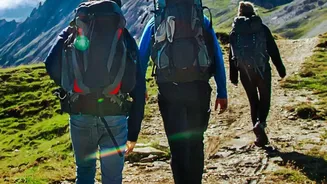
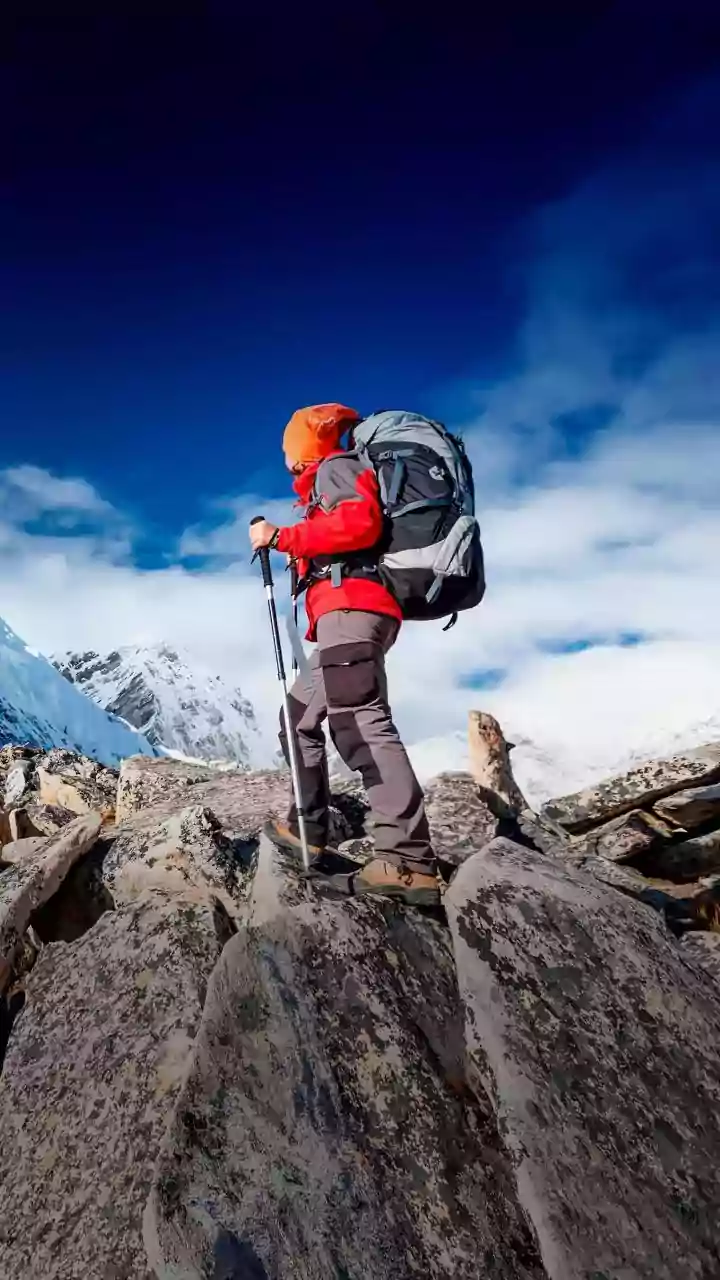
Your clothing is your first line of defence. The key is layering with moisture-wicking fabrics—avoid cotton at all costs, as it loses insulation when wet. Every hiker, no matter how short the trail, should carry a non-negotiable set of essentials in their daypack. This includes a waterproof and windproof shell jacket, an extra insulating layer (like a fleece or puffy jacket), a warm hat, and gloves. Also essential are plenty of water, extra food, a first-aid kit, sunscreen, a headlamp, and bear spray. Sturdy, closed-toe footwear is a must for the rocky and often slippery terrain.