





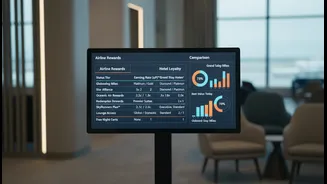



What is the Connected Loyalty Ecosystem?
In the past, your relationship was with a single airline or hotel chain. Today, loyalty is an ecosystem. Airlines, hotels, credit card companies, retailers, and even food delivery apps are joining forces, allowing you to earn and burn points across a vast
network of partners. Think of it less as a loyalty program and more as a 'loyalty currency' that flows between brands. For Indian travellers, this is seen in partnerships like IndiGo's collaboration with hospitality group Accor, and Air India’s integration into the Star Alliance network. The goal for these companies is to remain relevant in your life even when you are not travelling, creating a seamless flow of earning and spending that touches every part of your consumption.
The New Math of Points Valuation
With points becoming a transferable currency, their value is no longer fixed. The biggest change is the widespread shift to 'dynamic pricing' for award travel. Instead of a flight costing a predictable number of points based on a chart, the amount needed now fluctuates with demand, time of booking, and the cash price of the ticket. This can make it harder to plan, as the 20,000 points you saved for a flight might suddenly not be enough during a peak travel season. The upside is that more seats are often available for redemption, but the downside is that the cost can skyrocket. This ecosystem approach, where you can transfer bank points to various airlines, gives you more options but also requires more strategy to find the best value.
How It Affects Fares and Availability
The connected ecosystem has a direct impact on how you book travel. With credit card companies buying billions of points from airlines to fuel their reward programs, loyalty is now a massive revenue stream for airlines, sometimes valued higher than their flight operations. This financial incentive means airlines must balance making award seats available for loyalty members while maximizing revenue from cash-paying customers. While dynamic pricing can make every seat on a plane theoretically bookable with points, the most affordable 'saver' level awards are often scarce. For travellers, this means the key to finding good value is often booking through partner airlines, which may still use more predictable, chart-based pricing for the same flight.
Flexibility in a Complex Web
More options should mean more flexibility, but that isn't always the case. The key advantage of the connected ecosystem is the freedom it provides. If one airline has no award availability, you can transfer your credit card points to another. This protects you from sudden devaluations in a single program. However, this flexibility comes with a crucial catch: once you transfer your points from a bank to an airline or hotel partner, the transfer is almost always irreversible. If you transfer points for a specific flight and your plans change, or the award seat disappears, those points are now stuck in that partner's program. This means you must confirm availability right before you move your points to avoid getting them stranded in a program you may not use frequently.
How Indian Travellers Can Navigate the Changes
For the savvy Indian traveller, the new landscape requires a shift in thinking. Loyalty is no longer about allegiance to one airline but about strategically collecting flexible points, primarily through credit cards. Banks like HDFC, ICICI, and others offer cards with points that can be transferred to a variety of airline and hotel partners, including major international carriers like Emirates and Singapore Airlines. Instead of focusing on a single airline, the smart play is to choose a credit card ecosystem that partners with the airlines you are most likely to fly. Pay attention to transfer ratios and watch for promotional transfer bonuses that can increase the value of your points. The best strategy is to keep your points with the bank until you have a specific, high-value redemption in mind and have confirmed availability.