



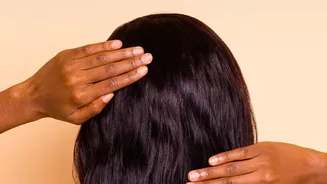
Rethink Your Wash Routine
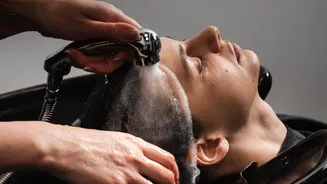
The single most effective change you can make is to wash your hair less frequently. Daily washing can strip color and the natural oils that keep hair healthy. Aim for two to three washes per week, using a dry shampoo on off-days to absorb oil at the roots.
When you do wash, turn down the temperature. Hot water opens up the hair's cuticle, allowing color molecules to escape. Rinsing with lukewarm or cool water helps seal the cuticle, locking in your hard-earned color and shine. It's also wise to wait at least 48 to 72 hours after your color appointment before the first wash to give the pigment time to settle.
Choose Your Cleanser Wisely
Not all shampoos are created equal, especially for color-treated hair. The most important swap to make is to a sulfate-free formula. Sulfates are strong detergents that create a rich lather but can also strip color and moisture, leaving hair dull and dry. Look for products specifically labeled 'color-safe' or 'for color-treated hair'. These are formulated to be gentler, often with a lower pH that helps keep the hair cuticle smooth and closed. While clarifying shampoos have their place, they should be used sparingly, as their deep-cleaning action can accelerate color fade.
Double Down on Moisture
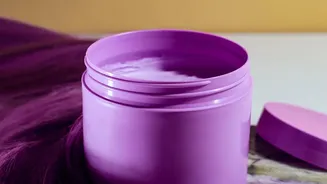
The coloring process makes hair more porous, meaning it loses moisture more easily. This is why conditioned hair is non-negotiable. A good color-safe conditioner smooths the cuticle after shampooing, which helps to seal in color pigments and prevent breakage. To take it a step further, incorporate a deep conditioning mask into your routine once a week. Apply the mask from the mid-lengths to the ends—the oldest and most processed part of your hair—and leave it on for at least 5 to 10 minutes before rinsing. This weekly treatment replenishes lost moisture, keeping your hair soft and your color vibrant.
Dial Back the Heat
Heat is a major culprit in color fading. High temperatures from blow dryers, flat irons, and curling wands can degrade color molecules and damage the hair's structure. This doesn't mean you have to give up your favorite tools entirely. The first line of defense is to always use a heat protectant spray or cream. This creates a barrier between your hair and the heat, reducing damage by as much as 50%. Secondly, simply turn down the temperature on your tools. You'll often find you can achieve the same style with less heat, preserving the health and color of your hair.
Protect From the Elements
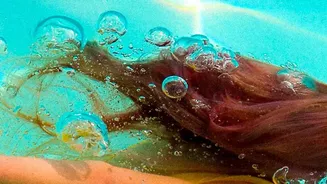
Just like your skin, your hair needs protection from the sun. UV rays can cause color to fade and hair to become dry and brittle. On sunny days, wearing a hat is the easiest solution. You can also look for leave-in conditioners and styling products that contain UV filters for an added layer of protection. This is especially important for redheads, as red dye molecules are larger and can wash out more easily, and for blondes, who are more susceptible to brassiness. If you're a swimmer, be mindful of chlorine and salt water, which can also strip color. A quick rinse with fresh water and applying a leave-in conditioner before you dive in can help prevent damage.