




The Global Space Economy Takes Flight
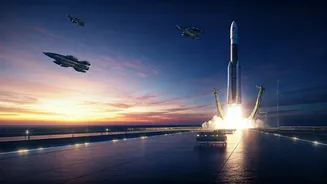
The phrase 'space is booming' isn't just hype; it's backed by staggering numbers. The global space economy reached an estimated $626 billion in 2025 and is projected to soar past $1 trillion by 2034. This rapid expansion is no longer solely fueled by the
budgets of national agencies. Commercial revenue now accounts for nearly 80% of the space market, a dramatic shift from previous decades. The primary driver for this growth has been the plummeting cost of access. Innovations like reusable rockets, pioneered by companies such as SpaceX, have slashed launch costs by as much as 95%, making space more accessible than ever. This has opened the doors for a surge in private investment and a boom in satellite-based services, from global internet constellations like Starlink to advanced Earth observation platforms.
A New International Rush to the Moon
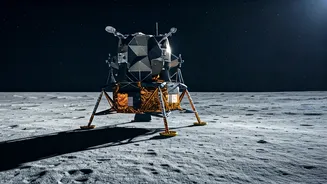
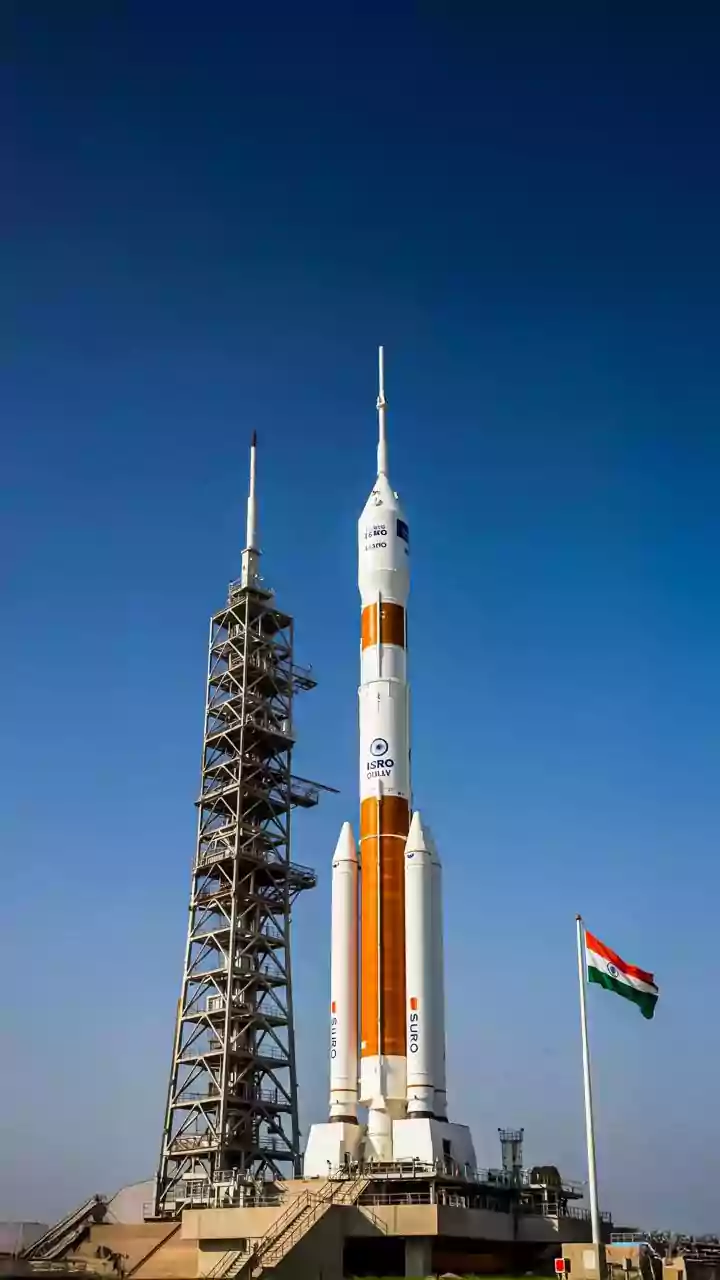
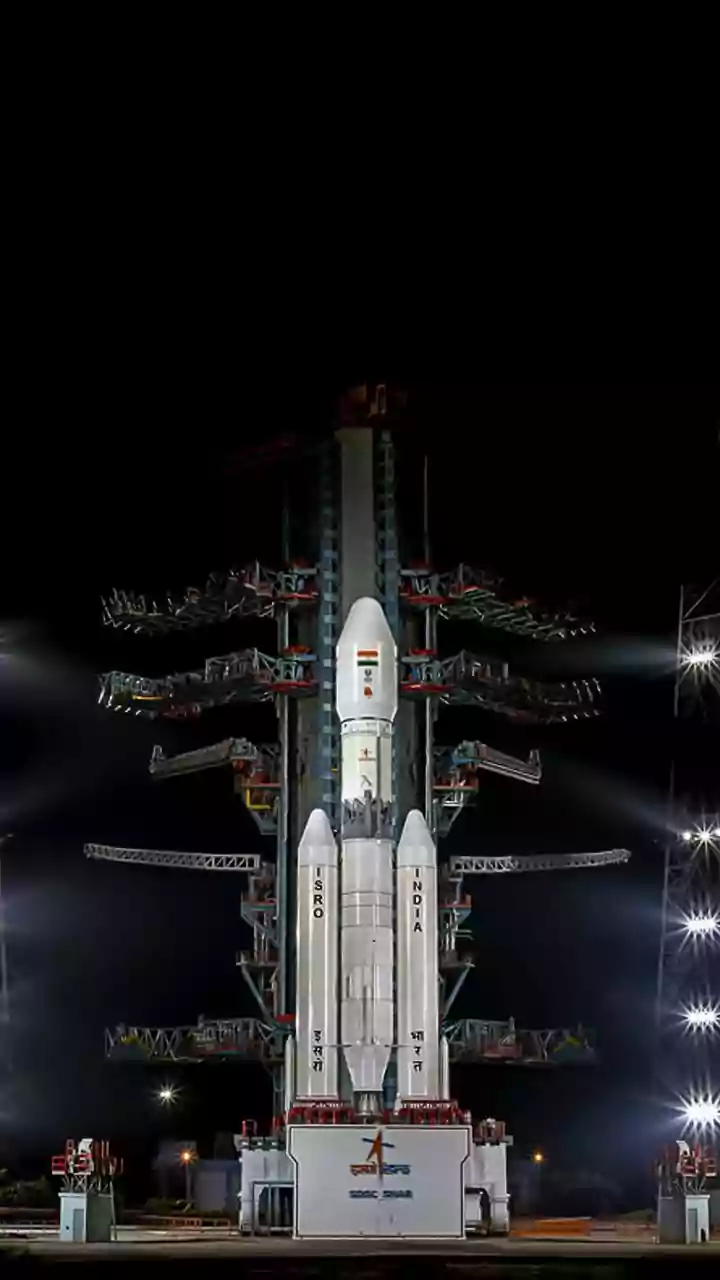
The Moon is once again the hottest ticket in the solar system. The U.S.-led Artemis program, a massive international effort, is paving the way for a permanent human presence. Following a crewed lunar flyby with Artemis II in April 2026, NASA plans to land astronauts near the lunar South Pole with Artemis IV in 2028. But they are not alone. China has ambitious plans to land its own astronauts, or taikonauts, on the Moon before 2030 and is integrating its robotic and human spaceflight programs to achieve this goal. India, following its historic Chandrayaan-3 landing, is planning a series of advanced missions, including Chandrayaan-4 for sample return and the LUPEX mission in collaboration with Japan to search for water ice. This renewed lunar focus is driven by science, the potential for resource extraction like water ice, and the strategic goal of establishing a long-term foothold on another celestial body.
The Private Sector Reaches for the Stars
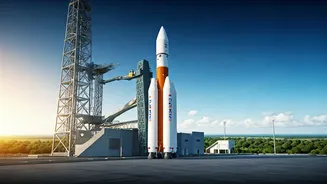
The modern space boom is inseparable from the rise of a dynamic commercial industry. Companies like SpaceX, Blue Origin, and Rocket Lab are not just contractors; they are key players with their own ambitious goals. SpaceX, which has dominated the commercial launch market, is also developing its massive Starship vehicle with the explicit goal of colonizing Mars. Blue Origin is developing its Blue Moon lander, which will play a critical role in NASA's Artemis program and future commercial deliveries. A host of other companies like Astrobotic, Firefly Aerospace, and Intuitive Machines are building a new ecosystem of lunar landers and services under NASA's Commercial Lunar Payload Services (CLPS) initiative, creating a reliable pipeline to the lunar surface. This private-sector involvement introduces competition, accelerates innovation, and creates a sustainable economic model for space exploration.
Mars and Beyond: The Long-Term Vision
While the Moon is the immediate focus, Mars remains the ultimate horizon. SpaceX has set an audacious goal to launch its first uncrewed Starship missions to Mars as early as the 2026-2027 launch window, which opens once every 26 months. These early missions are intended to test landing reliability before a potential crewed flight years later. National agencies are also looking toward the Red Planet. ISRO is developing its Mangalyaan-2 Mars lander mission, and NASA's 'Moon to Mars' plan explicitly frames the Artemis program as a stepping stone to prepare for human missions to Mars. This multi-decade vision is driving the development of foundational technologies in life support, in-space manufacturing, and long-duration spaceflight. China is also looking beyond the Moon, with its Tianwen-2 mission arriving at a near-Earth asteroid in June 2026 to collect samples.