

From Samosas to Protein Bars
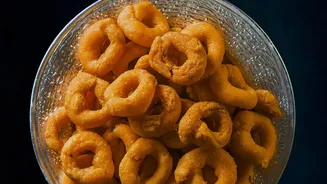
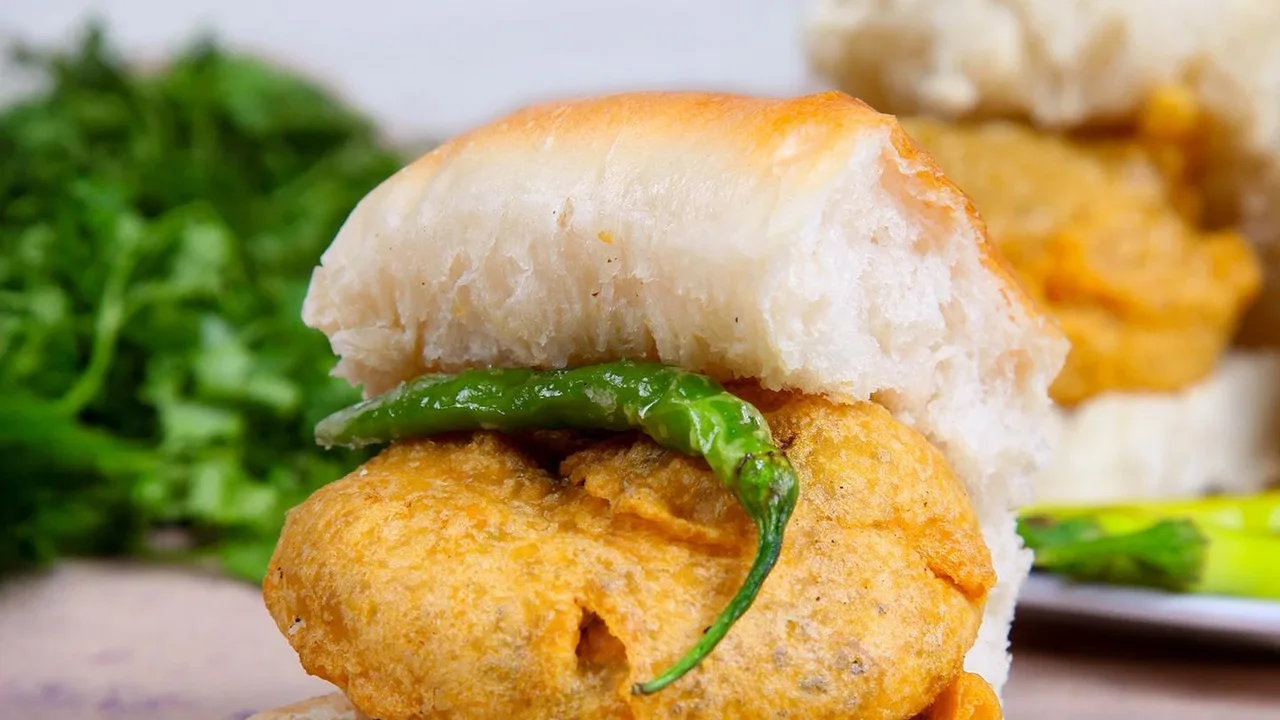
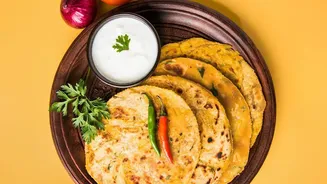
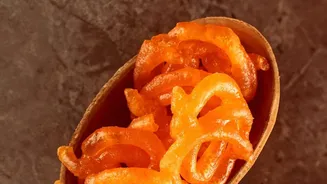
For generations, Indian snack time has been defined by a rich variety of savoury and sweet treats, from deep-fried samosas and pakoras to carb-heavy biscuits and namkeen. While delicious and comforting, these snacks often offer what nutritionists call
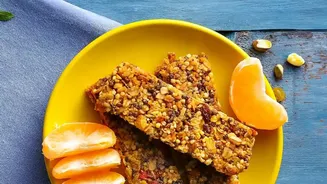
'empty calories'—high in refined flour, sugar, and unhealthy fats but low in essential nutrients like protein and fibre. Today, a new category of snacks is carving out a significant space in the Indian pantry and the office desk drawer. Protein, once a term primarily associated with gym-goers, has entered the mainstream. Consumers from all walks of life—busy professionals, students, and health-conscious families—are now prioritising protein in their diets, and the snack market is reflecting this change. Quick commerce platforms have seen orders for protein-based products surge, with protein snacks emerging as one of the fastest-growing categories.
The Drivers: Health, Hustle, and Awareness
Several factors are fuelling this protein revolution. A wave of health and wellness consciousness is sweeping across the nation, with consumers becoming more aware of the long-term impacts of their diet. Many Indian diets are traditionally rich in carbohydrates but lacking in adequate protein, a nutritional gap that people are now actively trying to fill. This shift is driven by a desire for better weight management, sustained energy, and overall well-being. Protein helps you feel full for longer, which can prevent overeating and reduce cravings for sugary snacks. Convenience is another major driver. In today's fast-paced urban lifestyle, there's a growing demand for on-the-go options that are both healthy and easy to consume. A protein bar or a packet of roasted nuts is far more convenient to carry and eat during a busy workday than a traditional snack that might require preparation.
A Modern Twist on Tradition
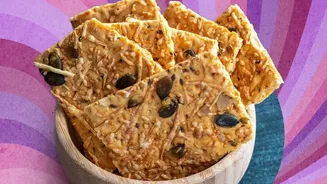
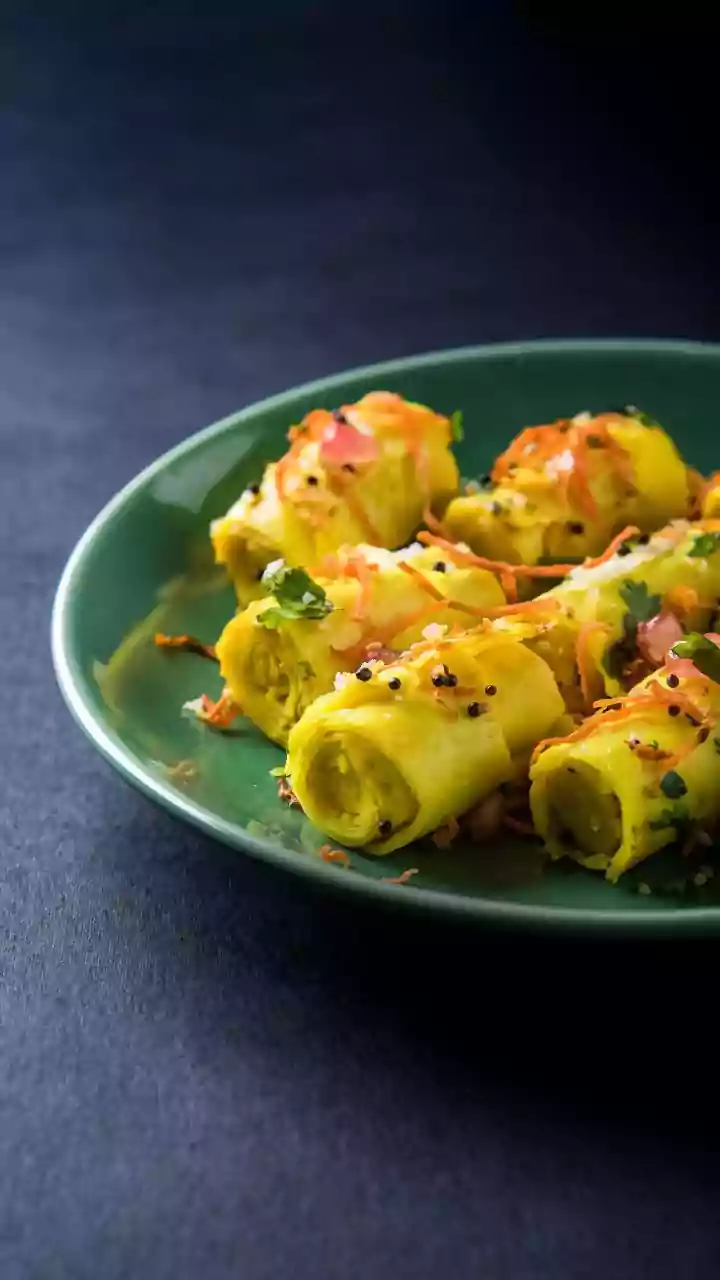
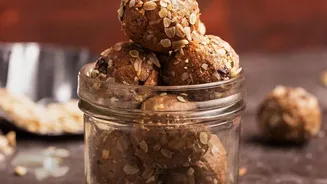
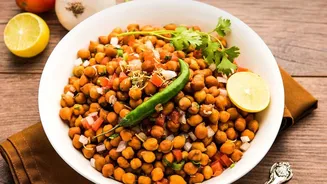
Interestingly, this trend isn't just about new-age protein bars and shakes. There's also a renewed appreciation for traditional Indian foods that are naturally rich in protein. Items like roasted chana (chickpeas), makhana (fox nuts), paneer, and sprouted moong salads are being rediscovered as healthy, high-protein alternatives. Many brands are innovating by giving these traditional snacks a modern, convenient makeover, offering them in packaged, ready-to-eat formats. This includes everything from masala makhana and chickpea puffs to khakhra made from millets and pulses. This blending of the old and the new shows that consumers are looking for options that are not only nutritious but also familiar in flavour and form. Even when opting for a protein bar, the choice is often guided by a preference for clean labels and whole-food ingredients over highly processed alternatives.
Not a Replacement, but an Addition
So, does this mean the end of the beloved samosa? Not quite. The rise of protein snacks doesn't signify a complete replacement of traditional favourites but rather an evolution and expansion of the Indian snacking palette. Consumers are becoming more situational with their choices. A deep-fried snack might still be an indulgence on a rainy day, but for a daily 5 PM hunger pang at the office, a protein-rich option is increasingly seen as the smarter choice. Experts suggest that protein snacks are playing a supportive role, helping to fill nutritional gaps in a convenient way. The goal for many is not to eliminate traditional foods but to strike a better balance, ensuring that their snacking habits contribute positively to their health goals. This shift is happening not just in major metros like Bengaluru and Mumbai but is also accelerating in Tier-II and Tier-III cities, indicating a nationwide movement towards more mindful eating.