






The Chokehold of City Life
For decades, the Indian dream was tethered to the metropolis. Cities were magnets of opportunity, ambition, and modern comforts. But that dream is now clouded, quite literally, by a thick layer of smog. In major hubs like Delhi, Mumbai, and Bengaluru,
daily life is a battle against hazardous air quality, relentless noise, and the grinding stress of the urban hustle. The Air Quality Index (AQI) is no longer a metric for environmentalists; it’s a daily concern for parents, professionals, and anyone who steps outside. The constant exposure to pollutants, the lack of green spaces, and the sheer density of a concrete jungle have begun to take a visible toll on our physical and mental health. The very things that once defined urban aspiration—the high-rise apartment, the fast-paced career—are losing their lustre when the simple act of breathing deeply feels like a risk.
The Science of a Deep Breath
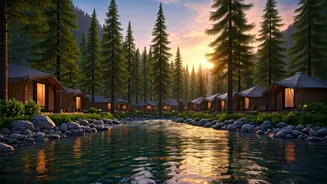
The allure of the mountains isn't just romantic; it's rooted in tangible, scientific benefits. Mountain air, particularly at higher altitudes and away from industrial zones, contains significantly lower levels of particulate matter (PM2.5), nitrogen dioxide, and other pollutants that plague our cities. Breathing this air gives our respiratory systems a much-needed break, reducing inflammation and the risk of long-term health issues. But the benefits go beyond the lungs. The Japanese concept of 'shinrin-yoku' or 'forest bathing' has been proven to lower blood pressure, reduce the stress hormone cortisol, and boost the immune system. The quiet environment calms the nervous system, which is constantly overstimulated in the city. In essence, a trip to the mountains is a reset button for the body and mind. This isn't just a vacation; it's a form of preventative healthcare.
A Post-Pandemic Re-evaluation
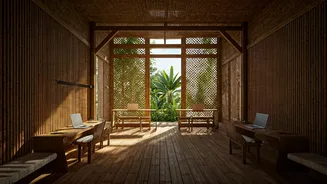
The COVID-19 pandemic acted as a powerful catalyst in this cultural shift. Forced indoors, people began to crave open spaces and nature like never before. The fragility of health was brought into sharp focus, making wellness a non-negotiable priority. Simultaneously, the widespread adoption of remote work shattered the myth that productivity is tied to a physical office. This newfound flexibility gave millions of Indians the freedom to reconsider where they live and work. The 'work from home' model quickly evolved into 'work from anywhere,' and for many, 'anywhere' meant the serene, clean-air environs of the Himalayas or the Western Ghats. This wasn't just about a better Zoom background; it was a fundamental re-evaluation of what constitutes a good life, moving the goalposts from material accumulation to quality of experience and personal well-being.
The New Status Symbol
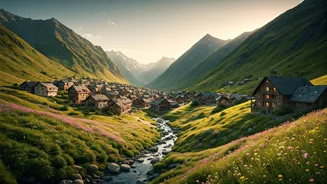
In this new paradigm, luxury has been redefined. It's no longer about what you can buy, but what you can escape. Bragging rights are shifting from the latest smartphone to a weekend spent trekking in a pristine valley in Uttarakhand. The ultimate flex is not a foreign holiday, but a long-term rental in a quiet Himachal village with a strong Wi-Fi signal. This new luxury is experiential, exclusive, and, most importantly, restorative. It signals a choice to prioritise health over hustle, peace over pace. This trend is visible in the booming market for boutique homestays, wellness retreats, and eco-resorts in mountain regions. They offer not just a room, but an experience centred on clean air, organic food, and digital detoxing. Spending money on a lungful of fresh air is now seen as a wiser, more sophisticated investment than another material possession that will soon be obsolete.