






Beyond the Landmark Selfie
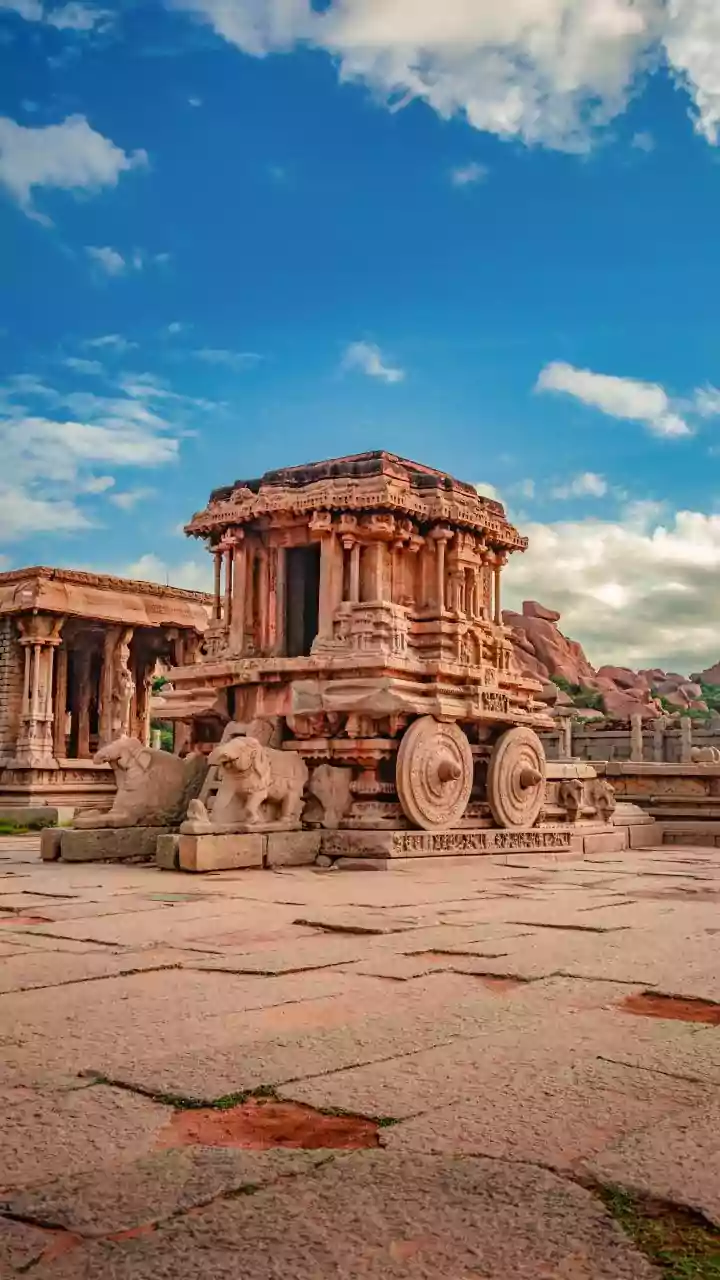
For decades, the anatomy of a successful holiday was simple: book a hotel, visit the top five landmarks, take photos, and maybe buy a souvenir. But for a growing number of Indian millennials and Gen Z, this script feels outdated. They are part of a significant
shift towards 'culture-first' travel, an approach that prioritizes authentic, immersive experiences over ticking off a checklist. This isn't just about trying a local dish; it's about taking a cooking class to learn how to make it. It's not just seeing a historic fort; it's staying in a restored haveli and hearing its stories from the family who owns it. This model of travel trades passive observation for active participation, seeking connection and understanding rather than just a pretty picture. It is driven by a desire to return from a trip not just with memories, but with a new skill, a deeper perspective, or a genuine connection to a place and its people.
The Quest for Authenticity
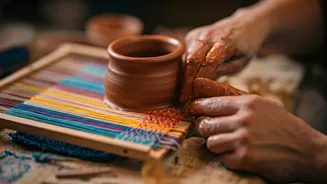
What’s driving this change? A primary factor is a deep-seated desire for authenticity in a hyper-globalised world. After years of curated, picture-perfect social media feeds, many young travellers are craving experiences that feel real and unscripted. They are increasingly sceptical of mass tourism, which can often feel sterile and transactional. Instead, they seek out trips that offer a genuine glimpse into a different way of life. This can mean booking a homestay in a remote village in Sikkim to understand local farming practices, joining a pottery workshop in a Puducherry art commune, or going on a food walk through the old gullies of Delhi with a local historian. According to several travel industry reports, post-pandemic travel searches show a marked increase in queries for 'experiential stays,' 'workshops,' and 'local tours,' indicating a conscious move away from packaged, one-size-fits-all holidays. This generation values stories over souvenirs and personal growth over bragging rights.
From 'Doing It for the 'Gram' to Finding a Story
While social media is often blamed for performative travel, it’s also a powerful engine for this new trend. Platforms like Instagram and YouTube are no longer just for showcasing beach selfies. They have become discovery tools for finding unique, off-the-beaten-path experiences. A viral reel might not be of a famous monument, but of a traveller learning the art of block-printing in Rajasthan or participating in a Theyyam ritual in Kerala. This inspires others to seek out similarly meaningful activities. The new social currency is not just where you went, but *what you did* and *what you learned*. The focus has shifted from 'story-showing'—presenting a perfect image—to 'story-doing'—engaging in an activity that creates a compelling narrative. This digital word-of-mouth is a major influence for young planners who trust peer recommendations and authentic content far more than traditional travel advertisements.
The Rise of the Niche Itinerary
This culture-first mindset has fundamentally changed how trips are planned. Instead of choosing a destination and then finding things to do, many young Indians are now choosing an activity or interest first and then finding a destination that offers it. A passion for sustainable farming might lead them to a farm stay in the Nilgiris. An interest in tribal art could inspire a trip to Odisha or Chhattisgarh. This has fuelled the growth of niche travel companies and platforms that specialise in curating experience-led itineraries. These platforms connect travellers with local artisans, guides, and hosts, making it easier to build a holiday around specific cultural interests. The planning process itself has become more intentional and research-intensive, moving beyond generic travel guides to blogs, vlogs, and community forums that offer detailed insights into authentic local experiences.