

The Myth of a Simple Answer
It’s a common belief that black tea is always high in caffeine while green tea is low. The reality, however, is far more complex. While broad categories offer a general guide, the actual caffeine in your cup is influenced by a host of factors, making
a simple hierarchy misleading. An 8-ounce cup of tea can contain anywhere from 15 to 70 milligrams of caffeine, a wide range that often sees overlap between different types. A strongly brewed green tea could easily have more caffeine than a lightly steeped black tea. Understanding these variables is the first step toward choosing your tea with intention.
Understanding the Tea Plant
All 'true' teas—black, green, oolong, white, and pu-erh—come from the same plant: Camellia sinensis. Therefore, they all naturally contain caffeine. The general rule is that younger leaves and buds, often used for high-end white and green teas, actually contain more caffeine as a natural defense against pests. Tea plant varietals also play a role; the Camellia sinensis var. assamica, common in India, tends to be higher in caffeine than the var. sinensis found in China. It’s not the colour of the tea that dictates caffeine, but its origin, harvest time, and processing.
How Processing and Brewing Matter
The journey from leaf to cup is where much of the caffeine content is determined. Contrary to popular belief, the oxidation process that creates black and oolong teas does not add caffeine. The most significant variables are the ones you control in your own kitchen: water temperature and steeping time. Hotter water and longer infusion times extract more caffeine from the leaf. A tea brewed for five minutes will have more caffeine than the same tea brewed for two minutes. Likewise, using more leaves or a finer leaf grade (like in tea bags) increases the surface area and results in a more caffeinated brew.
A Practical Guide to Caffeine Levels
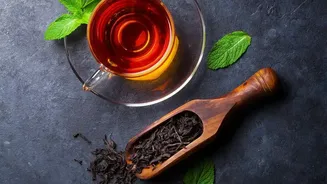
While exact numbers are elusive, we can work with typical ranges for an 8-ounce cup. Black tea generally has the most, averaging 40-70 mg. Oolong is next, around 30-55 mg. Green tea usually falls between 20-45 mg, and white tea is often the lowest among true teas, at about 15-40 mg. Matcha, a powdered green tea where you consume the entire leaf, is a notable exception and can have as much as 70 mg per serving. For a very low caffeine option, roasted green teas like Hojicha or twig teas like Kukicha are excellent choices, often containing less than 30mg per cup.
The Zero-Caffeine Aisle: Herbal Tisanes
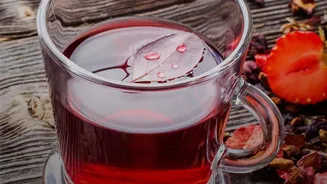
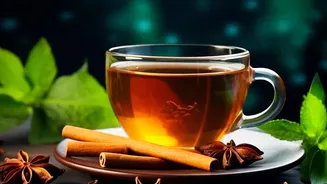
If you're looking to avoid caffeine entirely, the world of herbal infusions, or tisanes, is your destination. These beverages are made from fruits, flowers, spices, and herbs rather than the Camellia sinensis plant, and are therefore naturally caffeine-free. Popular choices include chamomile, peppermint, ginger, and rooibos (a South African red bush). These are perfect for evening relaxation or for those with high caffeine sensitivity. Just be aware of a few exceptions like yerba mate and guayusa, which are herbal but contain caffeine.
Shopping with Confidence
When you're buying specialty tea, don't be afraid to ask questions. A knowledgeable seller should be able to guide you. Look for loose-leaf teas, which often offer superior flavour and allow you to see the quality of the leaf. Consider building a 'tea wardrobe': a robust black tea for the morning, a smooth green or oolong for the afternoon, and a calming herbal infusion for the evening. By understanding the factors that influence caffeine, you can move beyond simple labels and choose teas that perfectly fit your lifestyle and your desired energy level for any moment.