

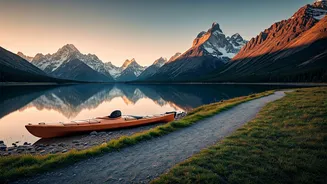


The Rise of 'De-Crowding'
Remember the thrill of planning a trip, only to arrive and find yourself in a sea of selfie sticks? This experience, coupled with a post-pandemic appreciation for personal space, has fuelled a major shift in travel planning. The phenomenon of 'overtourism'—where
popular destinations are overwhelmed by visitors, degrading the experience for everyone—is no longer a niche concern. It’s a mainstream problem. Travellers are now actively seeking more authentic and peaceful experiences. Instead of just chasing the most Instagrammable spots, they are looking for genuine connection and relaxation, which is nearly impossible to find in a crush of people. This desire for 'de-crowding' is reshaping itineraries, popularising lesser-known locales, and making the question “How busy will it be?” as important as “What’s the weather like?”
Your Digital Toolkit for Crowd Prediction
Guesswork is no longer required. Technology has equipped travellers with powerful tools to gauge how busy a place will be. The most accessible is right on your phone: Google Maps. Its 'Popular times' feature uses anonymised location data to show you peak hours for everything from museums and cafes to beaches. For even more precision, the 'Live' busyness indicator tells you how crowded a place is right now. Beyond Google, many travellers use live webcams, which are often available for popular city squares, beaches, and ski resorts, offering a real-time glimpse of the scene on the ground. Apps like AllTrails provide crowd insights for hiking paths, while some national parks have their own apps with updates on parking availability and trail congestion, helping you plan your visit for quieter moments.
Master the Art of 'Shoulder Season' Travel
One of the most effective strategies for avoiding crowds is timing your trip for the 'shoulder season'. This is the sweet spot between the peak tourist season and the off-season. For many destinations, this means travelling in the months just before or after the summer rush or major holidays. Think of visiting the mountains of Himachal in April or late September, when the weather is still pleasant but the peak summer and winter crowds are absent. Similarly, Goa in October offers beautiful post-monsoon greenery without the chaos of the December party season. Travelling during the shoulder season not only guarantees a more relaxed atmosphere but often comes with the added benefits of lower flight prices and cheaper accommodation.
Think Like a Local: Timing Your Visits
Even in the most popular destinations, you can find pockets of peace by simply adjusting your daily schedule. Instead of visiting a famous landmark at midday, when tour buses unload, try going first thing in the morning as it opens. You’ll often have the place nearly to yourself for the first hour. Alternatively, a late afternoon or early evening visit, after the day-trippers have departed, can be equally serene. The same logic applies to weekdays versus weekends. A popular market or museum that is packed on a Saturday will be far more manageable on a Tuesday. By thinking like a local who knows the rhythms of their city, you can strategically dodge the worst of the tourist rush and enjoy a much more intimate experience.
Embrace the 'Second City' Phenomenon
Another growing trend is skipping the overwhelmed megastar cities for their charming, less-crowded counterparts. These 'second cities' often offer a similar cultural vibe and historical richness without the long queues and inflated prices. For instance, instead of battling the crowds in Jaipur, consider exploring the artistic heritage and stunning architecture of Bundi or Shekhawati in Rajasthan. Rather than heading to the ever-popular Shimla, a trip to quieter hill stations like Narkanda or Fagu can offer equally breathtaking views and a more peaceful retreat. This approach not only leads to a more unique and personal travel story but also helps distribute tourism revenue more evenly, taking pressure off the world’s most beloved—and burdened—destinations.