
The Hidden Dangers in Puddles and Dampness
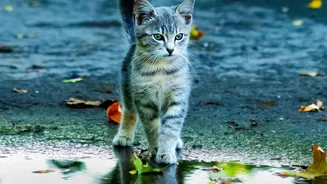
While a splash in a puddle might seem like harmless fun, stagnant water is a major concern during the Indian monsoon. These pools can be breeding grounds for dangerous bacteria and parasites. One of the most serious is Leptospirosis, a bacterial infection
spread through contaminated water or soil, which can be fatal if not treated promptly. Beyond puddles, the general humidity and dampness create an ideal environment for fungi and bacteria to thrive, both outdoors and on your pet’s coat and paws. The high moisture levels in the air mean that a pet's fur stays wet longer, trapping moisture against the skin and paving the way for infections.
Common Monsoon Ailments to Watch For
The combination of humidity and contaminated water leads to a spike in several specific health problems for pets. Skin infections are among the most common, including fungal issues like ringworm and bacterial conditions like acute moist dermatitis, often called 'hot spots'. These conditions cause intense itching, redness, hair loss, and discomfort. Paw infections are also prevalent, as paws are in direct contact with wet, muddy surfaces, making them susceptible to dermatitis. Ticks and fleas flourish in the damp, warm weather, increasing the risk of tick fever, a serious condition. Furthermore, pets drinking from contaminated puddles can suffer from gastrointestinal upsets, leading to vomiting and diarrhoea.
Smart Pre-Walk Preparations
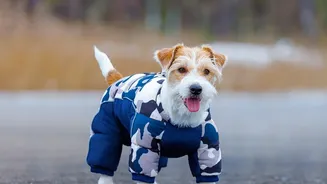
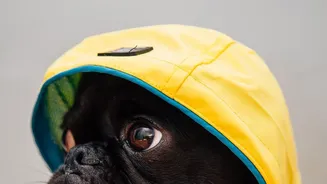
Prevention starts before you even step out the door. Investing in a good-quality, lightweight raincoat can keep the majority of your dog’s coat dry, significantly reducing the risk of trapped moisture. Waterproof pet boots can also be beneficial, protecting paws from direct contact with contaminated water and rough surfaces, though not all dogs will tolerate them. Try to time your walks to avoid heavy downpours. Shorter, more frequent walks may be a better strategy than one long walk in bad weather. If possible, choose cleaner walking routes, avoiding areas with significant waterlogging, dense vegetation, or piles of wet leaves where parasites often wait.
The Crucial Post-Walk Routine
What you do after a walk is just as important as the preparation. The most critical step is to dry your pet thoroughly as soon as you get home. Use a highly absorbent towel and pay special attention to areas where moisture hides, such as between the toes, inside the ears, under the belly, and in any skin folds. Rinsing muddy paws with clean water before drying is also essential to remove dirt and potential contaminants. Once dry, do a quick inspection of their coat and paws. Check for any ticks, cuts, or signs of irritation. Keeping your pet's bedding clean and dry is also vital, as damp bedding can become a breeding ground for fungi and bacteria.
Recognising Warning Signs and When to Call a Vet
Vigilance is key to catching any potential illness early. Be alert for changes in your pet's behaviour. Common signs of a monsoon-related infection include excessive scratching or licking, redness of the skin, hair loss, or a musty odour from the coat. Other serious symptoms to watch for are lethargy, loss of appetite, fever, vomiting, diarrhoea, pale gums, or difficulty breathing. Joint pain can also worsen in older dogs during the cold, damp weather. If you notice any of these signs, especially if they persist, it is crucial to consult your veterinarian for a proper diagnosis and treatment. Early intervention can prevent minor issues from becoming severe.