




What 'Cold-Pressed' Really Means
Before we dive into specific oils, it's important to understand what “cold-pressed” signifies. Unlike refined oils, which are extracted using high heat and chemical solvents, cold-pressed oils are made through a mechanical process at low temperatures.
This gentle extraction method ensures that the oil retains its natural flavour, aroma, and, most importantly, its nutritional profile. While refined oils have a higher smoke point and longer shelf life, they often lose beneficial compounds like antioxidants and vitamins during processing. Cold-pressed oils, on the other hand, deliver the unadulterated essence of the seed, nut, or fruit, making them a healthier and more flavourful choice for many culinary applications.
The Pungent Power of Mustard Oil
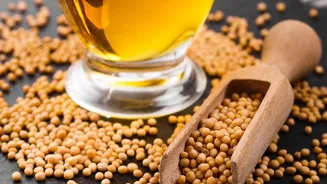
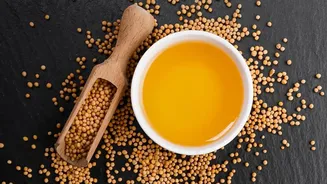
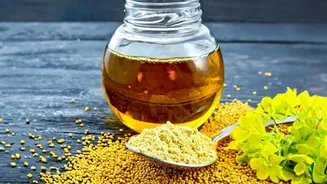
Mustard oil is the soul of many cuisines in North and East India, especially in Bengal, Bihar, and Punjab. Known for its sharp, pungent aroma and flavour, which comes from a compound called allyl isothiocyanate, it adds a characteristic kick to dishes that no other oil can replicate. Traditionally, it’s heated until it just begins to smoke to mellow its pungency before ingredients are added. It has a relatively high smoke point, making it suitable for tadkas, stir-frying, and even deep-frying fish and pakoras. Health-wise, cold-pressed mustard oil is a powerhouse. It’s rich in monounsaturated and polyunsaturated fats, including a favourable ratio of omega-3 and omega-6 fatty acids, which are beneficial for heart health. Its natural antimicrobial properties also make it a traditional choice for making pickles (achaar), as it acts as a preservative.
The Nutty Notes of Sesame Oil
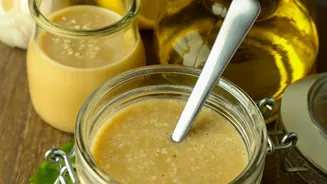
Known as 'gingelly oil' or 'til oil', sesame oil is a cornerstone of South Indian cooking and has been used for centuries in Ayurveda for its therapeutic properties. It has a distinct nutty flavour that is less overpowering than mustard oil, making it versatile for both cooking and as a finishing oil. In Tamil Nadu and Andhra Pradesh, it's the preferred choice for tempering spices for dals and chutneys, and a generous drizzle over idli with molagapodi is a breakfast classic. Rich in antioxidants like sesamol and sesamin, as well as Vitamin E, cold-pressed sesame oil has anti-inflammatory properties and is good for heart health, helping to manage cholesterol levels. Its smoke point is suitable for sautéing and light frying, but its true character shines when used to add a final aromatic touch to dishes.
The Versatile Charm of Groundnut Oil
Groundnut oil, or peanut oil, is the workhorse of kitchens in Western India, particularly in Gujarat and Maharashtra, as well as parts of the South. With its mild, neutral, and slightly nutty flavour, it doesn't overpower the other ingredients, making it an excellent all-purpose cooking medium. It's the traditional choice for frying snacks like batata vada and pakoras because its high smoke point ensures a crisp, non-greasy finish. From the vaghar (tempering) for a Gujarati dal to the base for a Kolhapuri misal, groundnut oil provides a balanced foundation. In terms of health, cold-pressed groundnut oil is a great source of monounsaturated fats and Vitamin E, an antioxidant that helps protect the body's cells. Its composition of healthy fats contributes to good heart health by helping to maintain cholesterol levels.