


An Event, Not Just a Fruit
In the United States, a mango is often a singular thing: a large, firm, reddish-green fruit available year-round in the supermarket. It’s a pleasant, if sometimes fibrous, taste of the tropics. But in India, and for its diaspora, mango season is a national
event, a four-month cultural obsession that inspires poetry, frantic family phone calls, and cross-country shipments. From April to August, life is punctuated by the arrival of specific regional varieties, each with its own fanatical following. The end of the season isn’t just a change in produce aisle inventory; it’s the closing of a window on an irreplaceable sensory experience, prompting a collective sigh of contentment and a long year of anticipation.
Meet the King: The Alphonso
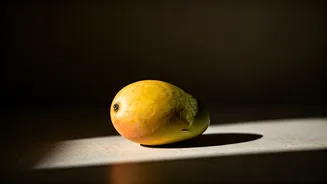
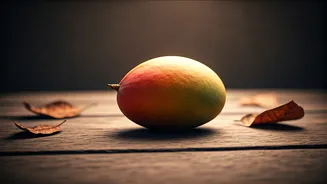
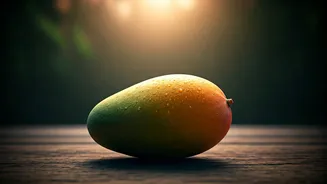
At the heart of this fervor is the Alphonso, a mango so prized it’s known as the “King of Mangoes.” Grown primarily in the coastal regions of western India, the Alphonso is a world away from the supermarket standard. Its thin, saffron-hued skin gives way to a smooth, buttery, and completely fiberless flesh. The flavor is a complex symphony: intensely sweet but balanced with a bright, citrusy tang and rich, almost honeyed notes. Eating one is an event. It’s a messy, juice-drips-down-your-chin affair that’s both primal and sophisticated. Its season is achingly short and its price tag reflects its legendary status, but for devotees, there is simply no substitute.
A Royal Court of Contenders
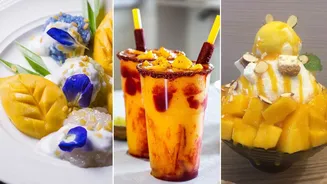
While the Alphonso may wear the crown, it rules over a court of equally spectacular contenders. The Kesar, from Gujarat, is smaller and known as the “Queen of Mangoes” for its intensely sweet, almost candied flavor and brilliant orange pulp, making it a favorite for desserts and juices. From the north comes the Dasheri, a longer, greener mango whose sweet, aromatic flesh has a pleasant firmness. Then there’s the Langra, a variety from Varanasi with a distinct greenish-yellow skin and a unique, slightly tart finish that cuts through its sweetness. Each has its peak moment, its loyalists, and its specific culinary use, creating a rolling wave of excitement as the season progresses from one region’s specialty to the next.
The Long Journey to America
For decades, enjoying these mangoes in the U.S. was impossible due to an import ban aimed at preventing the spread of fruit flies. The ban was lifted in 2007, but with a condition: all Indian mangoes bound for the U.S. must undergo irradiation to ensure they are pest-free. This process, along with the delicate logistics of air-freighting a highly perishable fruit, makes them a specialty item. You won’t find them at your average grocery store. Instead, they appear for a few precious months in Indian markets, specialty food purveyors, and online, often sold by the box to those willing to pay a premium for a taste of home or a transcendent piece of fruit.