






For decades, the streets of India's metros have been synonymous with chaos. Now, a quiet revolution is taking place. Cities are reclaiming these congested arteries for people, not just cars, transforming them into vibrant community spaces.
From Traffic Nightmares to Pedestrian Havens
The daily reality
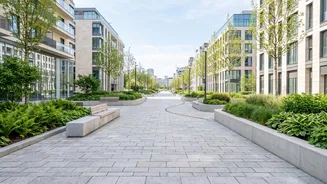
for millions in urban India involves navigating streets choked with traffic, where broken or non-existent footpaths make walking a hazardous activity. This car-centric model has not only led to soaring pollution and endless congestion but has also eroded the role of streets as public spaces. However, a growing number of cities are now pushing back, embracing a simple yet transformative idea: give the streets back to the people. This movement involves creating pedestrian-only zones, widening footpaths, and designing 'complete streets' that cater to everyone, from children to the elderly. The goal is to shift focus from merely moving vehicles to cultivating spaces that enhance social interaction and community life.
Chennai's Pioneering Plazas
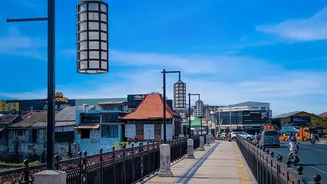
Chennai has been a frontrunner in this urban transformation. The pedestrian plaza in Thyagaraya Nagar (T. Nagar), once a traffic-snarled shopping hub, was reimagined as a 1.4 km stretch for people to walk, shop, and socialise freely. Launched in 2019, the project included wide walkways, seating areas, and play zones, demonstrating that prioritising pedestrians could create a safer and more pleasant urban experience. While the project has faced challenges with maintenance and encroachments, its initial success and ongoing use show its potential. Recent reports highlight how these plazas have become 'third places'—crucial social environments outside of home and work—hosting everything from street music and art to pop-up markets for young entrepreneurs.
Bengaluru's Weekend Experiment
In Bengaluru, the 'Church Street First' initiative served as a powerful case study. The bustling street was closed to vehicular traffic on weekends, turning it into a car-free zone. An impact assessment by the Indian Institute of Science revealed overwhelmingly positive results. Average daily footfall on weekends increased by 92%, and during peak evening hours, it soared by 117%. This surge wasn't just good for vibes; it was good for business. Over half of the restaurant and gift shop owners reported an increase in customer footfall and revenue. The initiative also improved air quality and reduced noise, with 98% of visitors agreeing that the pedestrian-friendly environment improved their quality of life.
Reviving Heritage in Old Delhi
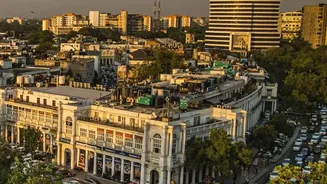
The redevelopment of Chandni Chowk in Delhi is another landmark project. The goal was to restore the Mughal-era street's historic grandeur by making it a pedestrian-priority zone from 9 a.m. to 9 p.m. By moving messy overhead cables underground, creating wide, kerbless walkways, and restricting vehicle access, the project aimed to decongest the iconic market and enhance the experience for shoppers and tourists. The transformation sought to blend heritage preservation with modern place-making, creating a space that encourages social engagement and boosts local economic activity.
The Ripple Effect on Community and Commerce
The benefits of these projects extend far beyond aesthetics. When streets become walkable, they become social. They transform into venues for festivals, art, music, and impromptu gatherings, fostering a sense of community that is often lost in vehiclendominated environments. Economically, the results are compelling. Studies show that businesses on improved streets see increased turnover, and property values rise. A recent report covering ten Indian cities found that 73% of businesses with higher pedestrian footfall also reported higher sales. Furthermore, these 'Healthy Streets' initiatives make cities safer, with studies showing an 89% increase in women feeling safer after street improvements.