






The Challenge of the Land of Kings
Rajasthan is India's largest state, and its sheer scale is often the first hurdle for visitors. A distance that looks short on a map can translate into a long day on the road. Many first-time visitors make the mistake of packing too many cities into a short trip,
underestimating the five-to-six-hour drives that can separate destinations like Jodhpur and Jaisalmer. The road conditions are generally good on major highways, but rural tracks, unexpected detours, and even stray cattle can significantly extend travel times. Blindly following a digital map without considering these local realities is a common pitfall that leads to travel fatigue and a rushed itinerary. This makes route planning not just a suggestion, but a necessity for a stress-free trip.
Smart Navigation for Modern Travellers
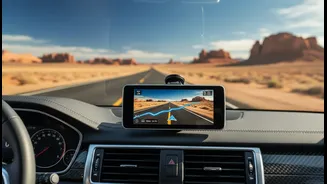
For independent Indian travellers, avoiding navigation mistakes begins before you even start the car. The key is to treat digital maps as a guide, not a gospel. While apps like Google Maps are invaluable, their time estimates often don't account for the realities of desert driving or city traffic. A crucial first step is to download maps for offline use, as mobile connectivity can be unreliable in remote areas between cities. Several apps are designed for Indian conditions, some even offering features like speed monitoring and alerts for road hazards. It’s also wise to cross-reference your digital route with advice from your hotel or a local driver, who can provide insights on current road quality, potential closures, and scenic detours you might otherwise miss. Planning for a buffer day after a long drive can also make the experience more enjoyable and less exhausting.
Guidance for Rajasthan's Tourism Businesses
For hotels, tour operators, and other tourism-dependent businesses, ensuring guests arrive smoothly is the first step toward a positive review. A common mistake is providing vague or outdated directions. In an age of digital convenience, businesses can build trust by offering route transparency. This can be as simple as sending guests a pre-verified Google Maps link or a QR code that opens a planned route. The official Rajasthan Tourism app is also designed to help visitors with route maps and information on nearby facilities. For companies operating vehicle fleets, investing in GPS tracking technology is a powerful tool. It not only enhances safety and security but also allows businesses to provide guests with real-time location updates and accurate arrival times, turning potential anxiety into confident anticipation. Proactively communicating any known delays or route challenges positions a business as a reliable and caring host.
The Final Mile for Regional Flyers
Rajasthan has boosted its regional air connectivity, with airports in cities like Jaisalmer, Bikaner, and Kishangarh. However, for flyers, the journey doesn't end upon landing. The 'final mile'—the trip from the airport to the hotel—is where mistakes can happen. This can involve haggling with taxi drivers who may take longer, indirect routes or facing a lack of reliable transport options. To avoid this, flyers should use their smartphones to track their taxi's journey in real-time. Before arriving, research typical travel times and fares from the airport to your destination. Whenever possible, pre-booking a car through a reputable service or your hotel can prevent overcharging and ensure a verified driver is waiting for you. This simple step transforms a potentially chaotic arrival into a seamless transition into your Rajasthani holiday.