




The Unquestioned Love for Chutney
Mango chutney is more than just a condiment; it's a staple on the Indian table. Whether it's the sweet, jam-like variety served with spicy curries or the chunkier, spiced versions that accompany parathas and snacks, its appeal is universal. The process
of making most mango chutneys involves cooking down the fruit with sugar and spices, a method that inherently creates a soft, yielding texture. It’s delicious and beloved for its ability to meld flavours, but its softness is a given. This characteristic, while comforting, leaves a textural gap for those craving a condiment with a real, definitive crunch—a role that a surprising culinary underdog is ready to fill.
From Scrap to Star: The Watermelon Rind
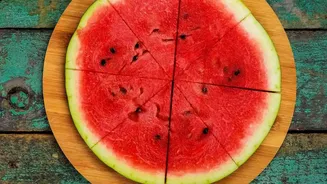
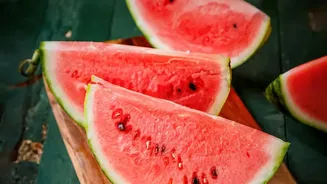
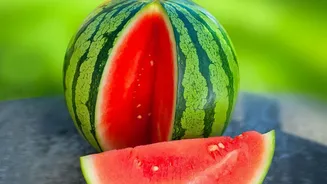
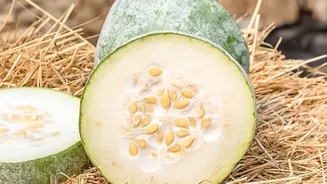
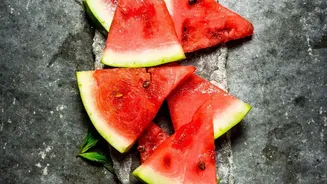
Enter the watermelon rind, the firm white layer between the bright pink flesh and the tough green skin. Often discarded, this part of the fruit is a hero of zero-waste cooking. In kitchens across India, resourceful home cooks have long used it to make everything from sabzis and curries to sweet preserves. When cooked in a curry, the rind's texture is often compared to that of lauki (bottle gourd) or pumpkin. But its true textural magic is revealed when it's pickled. Unlike the flesh of a fruit that breaks down when cooked, the rind has a firm cellular structure that allows it to become tender while retaining an impressive crispness. It has a mild, almost neutral flavour, similar to a cucumber, making it a perfect canvas for the pickling brine it absorbs.
The Science of the Snap
The delightful crunch of a good pickle isn't an accident; it's science. A vegetable's crispness comes from its rigid cell walls, which are full of water. The key to a crunchy pickle is preserving this structure. The pickling process for watermelon rind often involves a salt brine soak, which draws out some water and firms up the pectin—the natural 'glue' that holds plant cells together. When the rind is then introduced to the hot pickling liquid of vinegar, sugar, and spices, it absorbs these flavours without collapsing. Some advanced pickling techniques even use calcium chloride, a firming agent that reinforces the pectin, guaranteeing a snappy bite every time. This is a world away from the slow simmering of fruit chutneys, where the goal is to soften and break down the fruit into a cohesive, spreadable condiment.
A New World of Flavour Pairings
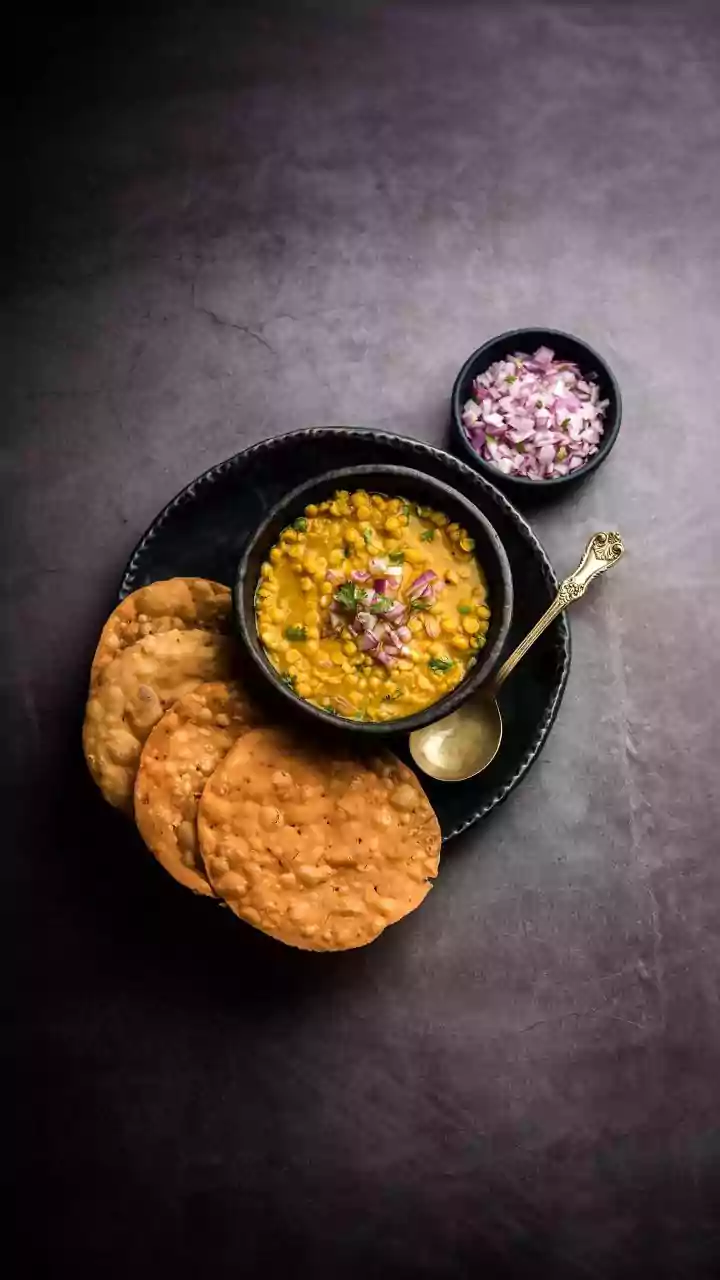
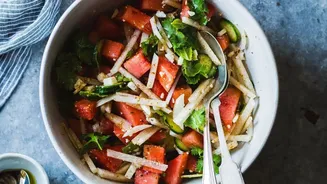
While mango chutney offers a sweet and sometimes spicy counterpoint, pickled watermelon rind brings a tangy, crisp complexity. The flavour is typically a balance of sweet, sour, and warm spices like cinnamon and cloves. This unique profile makes it incredibly versatile. Its firm, snappy texture provides a fantastic contrast in salads or grain bowls. It can be chopped into a slaw, served alongside grilled meats, or used as a surprising topping for tacos or canapés. Imagine it alongside a rich dal, cutting through the creaminess with a sharp, crunchy bite, or served with kebabs, where its crispness offers a refreshing foil to the smoky meat. It’s a condiment that doesn’t just complement a dish; it adds a whole new dimension of texture.
Making Your Own Crisp Wonder
Creating your own pickled watermelon rind is surprisingly straightforward. The basic process involves peeling the tough outer green skin and cutting the white rind into cubes. These cubes are often boiled briefly until just tender, then steeped in a brine of vinegar, sugar, water, and spices. For a quick refrigerator pickle, you simply combine the ingredients in a jar and let them marinate for at least 24 hours. The longer they sit, the more flavour they absorb while maintaining that signature crunch. You can experiment with spices, adding ginger, star anise, or a bit of chilli for a spicier Indian-style pickle, or 'achaar'.