
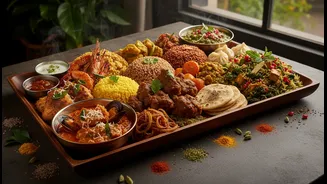


The Myth of 'Indian Food'
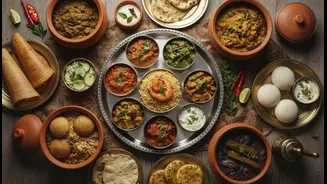
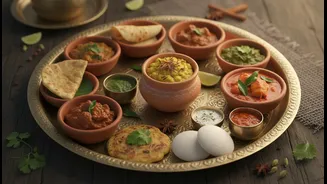
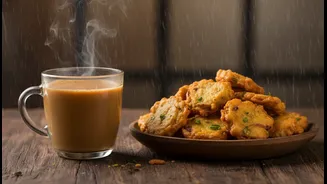
For decades, the global and even local perception of Indian cuisine has been shaped by a handful of North Indian dishes. Think butter chicken, paneer tikka, and naan. While delicious, this limited menu created a homogenised, pan-Indian taste that barely
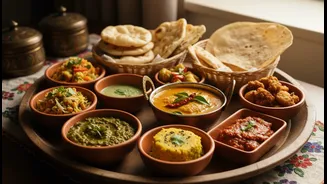
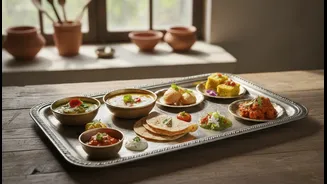
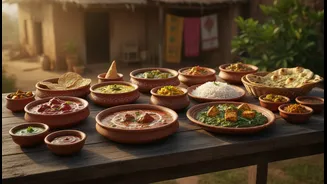
scratches the surface of the subcontinent's true culinary diversity. Every state, and indeed every few hundred kilometres, boasts its own unique food culture shaped by geography, climate, and history. The generic 'Indian restaurant' menu, however, often ignored these nuances, presenting a simplified and commercially safe version of a vast and complex food landscape.
The New Craving for Authenticity
Today, a significant shift is happening. Diners are actively seeking authenticity and a sense of place on their plates. This isn't just a trend; it's a movement towards what many are calling hyper-regional or hyperlocal cuisine. Instead of just 'South Indian', diners are curious about specific traditions like Mappila food from Kerala, Kodava cuisine from Karnataka, or the often-overlooked dishes of Telangana. This growing curiosity is driven by a number of factors: increased travel, a more globally aware palate, and the power of social media, where a picture of a rare dish can spark a new wave of interest. Food has become a form of cultural exploration, and diners want stories, not just sustenance.
Chefs as Cultural Storytellers
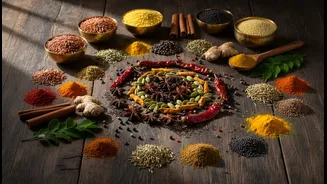
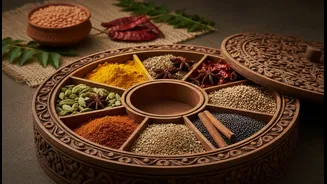
This culinary renaissance is being led by a new generation of chefs who are confidently championing their roots. They are moving away from the pressure to create fusion dishes or simplify flavours for a presumed international palate. Instead, they are digging deep into family recipes, reviving forgotten techniques, and celebrating indigenous ingredients. Chefs like Prateek Sadhu with his focus on Himalayan ingredients at Naar, or the team at The Bombay Canteen celebrating regional classics, are rewriting the rules. They are proving that authenticity and innovation can coexist, presenting dishes that are both rooted in tradition and modern in their execution. These chefs act as cultural ambassadors, re-educating diners on the true depth of India's culinary heritage.
A Taste of the Regions
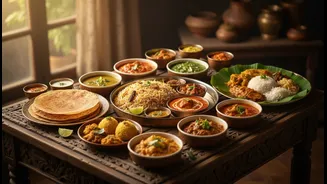
Restaurants across the country are responding to this demand. In Mumbai, Ekaa takes diners on a journey through India, showcasing ingredients like Naga mountain pepper. In Goa, Hosa offers a refined take on South Indian and coastal cuisine, reinterpreting Madurai street food as a fine-dining plate. This trend isn't limited to major metros. Pop-ups and food festivals dedicated to specific micro-cuisines are gaining popularity, giving home cooks and culinary archivists a platform. This allows diners to experience everything from the hay-smoked mackerel of Goa to the celebratory Meitei fish curries of Manipur, dishes that rarely, if ever, made it onto mainstream menus before.
The Future of the Indian Menu
The era of the one-size-fits-all Indian menu is fading. As diners become more adventurous, the demand for specific, story-driven food experiences will only grow. This shift is not just about nostalgia; it’s about a deeper appreciation for the diversity that defines India. It benefits everyone: diners get to embark on a culinary adventure, chefs get to express their heritage with pride, and local farmers find new markets for indigenous produce. The future of Indian dining lies in these local stories, where every meal is an opportunity to discover a new facet of the country's incredible food landscape.