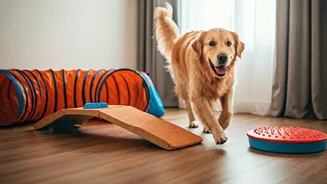

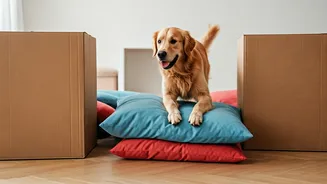



Why Your Dog Craves a Challenge
A bored dog isn't just a quiet dog; they can often be a destructive or anxious one. Many breeds were developed for specific jobs—herding, hunting, retrieving—that required intelligence and problem-solving skills. When they're left in a flat with nothing
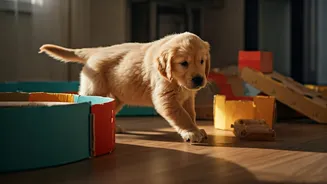
to 'solve,' they can get restless. This is where enrichment comes in. Activities that engage their brain, like sniffing out treats or navigating a new environment, are incredibly satisfying for them. It’s the canine equivalent of us doing a crossword puzzle or learning a new skill. A DIY obstacle course provides novelty, a physical challenge, and a mental puzzle, hitting all the right notes to combat boredom and strengthen your bond.
Gather Your Building Materials
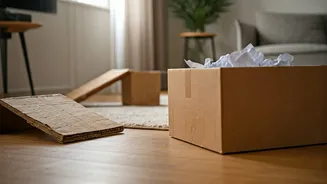
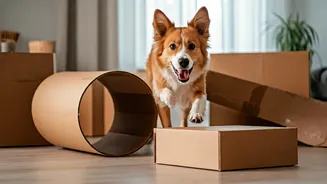
The beauty of a cardboard course is its low cost. You’re essentially recycling those delivery boxes into a doggy wonderland. Before you start, gather your supplies: - **Cardboard Boxes:** Various sizes are great. Ensure your largest box is big enough for your dog to comfortably pass through. Remove all staples, plastic tape, and shipping labels. - **A Box Cutter or Sturdy Scissors:** For creating doorways and windows. - **Duct Tape or Paper-Based Tape:** To connect boxes. Avoid tapes with strong chemical smells. - **High-Value Treats:** Small pieces of paneer, boiled chicken, or their favourite biscuit to use as rewards and motivation. - **An Old Blanket or Towel:** To place inside tunnels to make them more inviting and less slippery.
Design & Construction: Start Simple
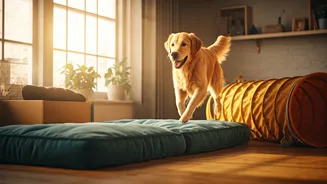
Don't try to build a canine Taj Mahal on your first attempt. Your dog needs to learn the game. Start with Level 1: The Simple Tunnel. Take two or three large boxes and cut out the bottom and top flaps so you have open-ended cubes. Line them up to create a short tunnel and use tape on the outside to secure them together. Make sure the entrance and exit are wide and clear. The goal is to create something that looks inviting and non-threatening. You can place a favourite toy or a small treat just inside the entrance to pique their curiosity.
Level Up: Introduce Puzzles
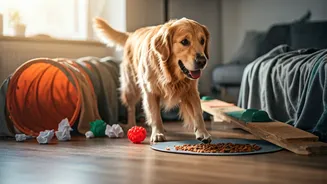
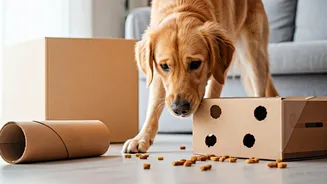
Once your dog is confidently navigating the basic tunnel, you can add complexity. This is where the 'specialized' track comes in. Create a 'Treat Maze' by connecting several boxes with openings on different sides, forcing your dog to think about which way to go. You can also create 'foraging boxes'—smaller boxes filled with crumpled paper or safe toys that your dog has to dig through to find a hidden treat. Another idea is to create low hurdles by cutting a sturdy box in half lengthwise. Arrange these elements in a sequence: tunnel, hurdle, treat maze. This encourages them to use their body and brain in different ways.
The Grand Unveiling: Game On!
How you introduce the course is crucial. Don't just plonk your dog in the middle of it. Let them explore the new structure on their own terms. Use an excited, happy tone of voice. Toss a treat near the entrance, then just inside. When they poke their head in, praise them lavishly. Use a lure (a treat or toy) to guide them through the tunnel for the first time. Keep sessions short and positive, just 5-10 minutes to start. If your dog is hesitant, that’s okay. Never force them. Dismantle the course and try again another day with an even simpler setup. The goal is fun, not a performance.
Safety First, Fun Always
A DIY playground comes with responsibilities. First and foremost, always supervise your dog during playtime. Never leave them alone with the obstacle course. Ensure all boxes are stable and won't collapse on them. Check that all openings are large enough for them to pass through without getting stuck—this is especially important for their head and torso. Cardboard can be chewed and ingested, so if your dog is an aggressive chewer, end the session if they start tearing the boxes apart rather than playing the game. Finally, clear the floor of any other hazards before you begin. A safe dog is a happy dog.