






The Handshake That Reached for the Stars
The foundation for this deepening partnership was laid in June 2023, when India officially signed the Artemis Accords. This non-binding, U.S.-led framework outlines principles for peaceful, transparent, and sustainable exploration of space. By becoming
a signatory, India joined a growing coalition of nations committed to a shared vision for humanity’s return to the Moon and eventual missions to Mars. For India, this was a significant strategic shift. While the Indian Space Research Organisation (ISRO) has a long history of remarkable, often independent, achievements, joining the Accords signaled a move toward deeper international collaboration, ensuring its technology and protocols are interoperable with global standards. This decision prevents technological isolation and positions India as a key player in shaping the rules of the road for the next era of space exploration.
A Partnership Already in Orbit
This isn't just about future promises. The U.S. and India already have a strong track record of working together. The most prominent recent example is the NASA-ISRO Synthetic Aperture Radar (NISAR) mission, an Earth-observation satellite that successfully launched last year. This joint project, which uses advanced dual-frequency radar to monitor changes in our planet's surface, from ice sheets to agricultural land, is a testament to the powerful results of their combined expertise. The collaboration extends to human spaceflight as well. NASA has agreed to provide advanced training to Indian astronauts at its Johnson Space Center, with the goal of a joint mission to the International Space Station. These existing projects demonstrate a functional, high-level partnership, making the recent invitation for India to join NASA's moon base program a natural and logical next step.
What India Brings to the Lunar Table
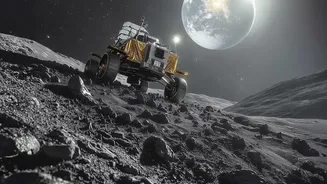
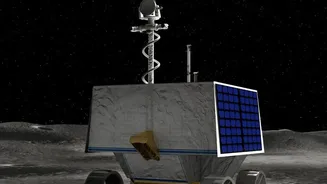
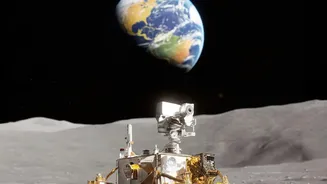
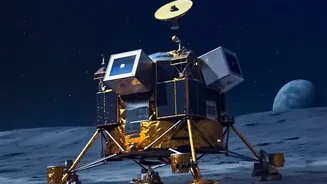
So why is NASA so keen on India’s involvement? The answer lies in ISRO's proven capabilities and famously cost-effective approach. India is one of only four countries to have successfully soft-landed a spacecraft on the Moon, and the very first to do so near the challenging lunar south pole with its Chandrayaan-3 mission in 2023. This achievement provided invaluable data and experience, particularly regarding the very region NASA is targeting for its permanent outpost. ISRO could contribute in numerous ways, from providing scientific instruments and robotic rovers to developing communications systems or even components for the base itself. With its own ambitious lunar plans, including a sample-return mission (Chandrayaan-4) and a joint polar exploration mission with Japan, India is not just a willing partner but a formidable space power in its own right.
An Alliance for the Future of Space
Beyond the technical contributions, this partnership carries significant geopolitical weight. As humanity's activities in space intensify, establishing norms for responsible behavior is critical. The Artemis Accords represent a U.S.-led effort to build a coalition of like-minded, democratic nations to guide the future of space governance. India’s active participation strengthens this bloc. The collaboration under the U.S.-India TRUST (Transforming the Relationship Utilizing Strategic Technology) initiative further cements this alliance. By working together to build a permanent presence on the Moon, the U.S. and India are not just pooling resources for scientific discovery; they are making a powerful statement about shared values and a commitment to a peaceful, cooperative future in the cosmos. This moves their relationship from that of a client and provider to a true strategic equal.