


What Exactly Are Ultra-Processed Foods?
The term might sound technical, but the concept is quite simple. Foods are often classified into four groups based on how much they've been processed. The system, known as NOVA, ranges from unprocessed foods like fresh fruit and vegetables (Group 1) to ultra-processed
foods (Group 4). Ultra-processed foods, or UPFs, are industrial formulations. Think of them not as modified whole foods, but as products created in a factory using substances extracted from foods, like fats, starches, and sugars, along with additives you wouldn't find in a home kitchen. These include artificial colours, flavours, and emulsifiers, all designed to make the final product hyper-palatable, convenient, and have a long shelf life.
Why Are They a Health Concern?
The convenience of UPFs comes at a cost. A growing body of research links high consumption of these foods to a range of health problems. Studies have shown associations between diets high in UPFs and an increased risk of obesity, type 2 diabetes, heart disease, and even certain cancers. These foods are typically high in unhealthy fats, added sugars, and salt, while being low in essential nutrients like fibre, vitamins, and minerals. They are engineered to be so tasty that they can displace healthier, whole foods from our diet, and because they are often low in fibre, they don't keep us feeling full, which can lead to overeating.
Your Guide to Spotting UPFs
Becoming a UPF detective is easier than you think. The key is to get friendly with the ingredients list on the back of the packet. A long list of ingredients is a common red flag. A simple question to ask is: "Would I use these ingredients in my own kitchen?" If the list contains items like high-fructose corn syrup, hydrogenated oils, hydrolysed proteins, or a series of chemical-sounding additives (like emulsifiers, thickeners, or flavour enhancers), you are likely looking at a UPF. These are industrial ingredients and cosmetic additives used to create texture, taste, and appearance that are not found in traditional cooking.
Common Culprits in an Indian Kitchen
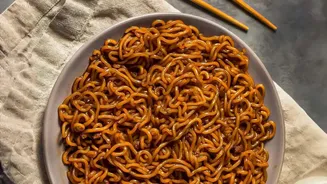
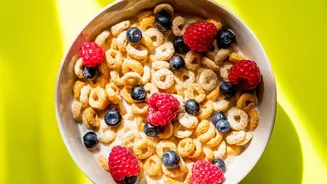
While we may associate UPFs with Western fast food, they have found a firm place in modern Indian households. Beyond the obvious like soft drinks and chips, many everyday items can be ultra-processed. This includes popular brands of instant noodles, packaged biscuits and cookies, many breakfast cereals, and frozen ready-to-eat meals. Even some products that seem traditional, like instant gravy mixes, some ready-to-use ginger-garlic pastes with preservatives, and flavoured yogurts, can fall into the UPF category. It shows how these products have seamlessly integrated into our busy lives, often under the guise of convenience.
Making Smarter, Not Harder, Choices
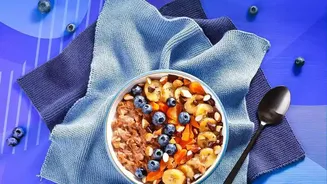
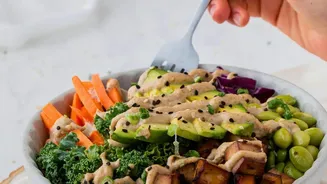
The goal is not to create food anxiety or ban everything in a packet. It's about awareness and making gradual, positive changes. Start with simple swaps. Instead of a sugary breakfast cereal, try plain oatmeal with fresh fruit. Swap packaged fruit juices, which are often high in added sugar, for a piece of whole fruit. Instead of reaching for a store-bought biscuit, a small handful of unsalted nuts can be a satisfying, nutrient-dense snack. When cooking, try making your own sauces and dressings instead of buying bottled versions, which can be high in sugar and preservatives. The focus should be on crowding out the UPFs with more whole and minimally processed foods, one meal at a time.