








The Great Chutney Dilemma
Chutney is not just a condiment; it’s the soul of an Indian meal. It’s the fiery kick with your dosa, the sweet tang with your samosa, and the herby freshness that can lift a simple dal and rice. For decades, the choice was binary: either you dedicated
time and effort to making it fresh, sourcing ingredients and wrestling with the grinder, or you settled for a mass-produced, glass-jarred version from the supermarket shelf. The former offered unparalleled taste but demanded time many no longer have. The latter offered convenience but often came with the tell-tale taste of preservatives, excess sugar, and a disappointing lack of vibrancy. This was the modern Indian kitchen’s great chutney dilemma: authenticity or convenience? You could rarely have both.
Enter the Fresh-Chutney Startups
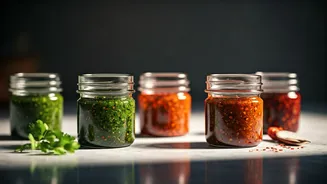
This gap in the market—the space between the traditional grinding stone and the factory assembly line—is now being filled by a new wave of food brands. Across cities like Mumbai, Bengaluru, and Delhi, direct-to-consumer (D2C) startups and artisanal businesses are delivering a third option: fresh chutney. These aren't the chutneys designed to survive for months on a shelf. They are made in small batches, often using local and seasonal ingredients, and are meant to be consumed within days or weeks. They arrive in neat, refrigerated tubs with clean labels that proudly declare “No Preservatives” and “Made Fresh.” The business model is built on logistics and understanding the urban consumer’s needs. By using delivery apps and subscription models, they bring the taste of a hyper-local, homemade product directly to your doorstep, solving the dilemma with a simple click.
More Than Just Convenience
To dismiss this trend as just another nod to convenience would be a mistake. It taps into several deeper shifts in the Indian consumer mindset. Firstly, there’s a growing obsession with health and wellness. Urban Indians are more aware than ever of what they are putting into their bodies. They are actively reading labels and rejecting artificial preservatives, colours, and flavour enhancers. These fresh chutney brands are perfectly positioned to meet this demand. Secondly, there’s a thirst for culinary exploration. While classic mint-coriander or coconut chutney will always be staples, these new players are introducing a world of flavours. Think Bhangjeera chutney from the Himalayas, fiery Thecha from Maharashtra, or a gourmet twist like a plum and star anise chutney. These are flavours that many home cooks may not have the time, skill, or access to ingredients to create themselves. It’s an accessible way to add variety and regional authenticity to the dinner table.
Redefining ‘Homemade’
Perhaps the most interesting aspect of this trend is how it is subtly redefining the very idea of a “homemade” meal. In the past, the pride was in making everything from scratch. Today, for many working professionals and busy families, the new ‘homemade’ is about intelligent assembly. It’s about curating a meal with the best possible components, even if you didn’t personally grind the spices or knead the dough. By outsourcing one element—the chutney—to a trusted, high-quality specialist, the home cook is freed up to focus on the main dish. It’s not a compromise; it’s a smart collaboration. This allows people to enjoy the comfort and health benefits of a home-cooked meal more frequently, without the associated stress and time commitment. It’s a modern, practical approach to tradition.