





The Urban Hustle and Time Poverty
The primary driver behind India's convenience food boom is the reality of modern urban life. Longer work hours, draining commutes, and the fast pace of city living have created a state of 'time poverty'. For a growing number of working professionals and dual-income
households, the hours required for traditional meal preparation—from buying fresh ingredients to the actual cooking—have become a luxury. Convenience food, which spans everything from ready-to-eat (RTE) meals to semi-prepared ready-to-cook (RTC) options, offers a practical solution. This is particularly true in households where both partners work full-time, significantly shrinking the time available for domestic chores. As a result, meals that can be prepared quickly without compromising too much on a home-cooked feel are seeing a surge in demand.
Health Consciousness Meets Convenience
A decade ago, 'convenience food' was often synonymous with 'unhealthy'. That perception is rapidly changing. Today’s consumers are not just looking for speed; they are demanding nutrition. There is a growing emphasis on preservative-free, organic, and protein-rich meals. This has fueled a wave of innovation, with brands launching products that cater to health-conscious individuals, such as millet-based snacks, baked chip alternatives, and fortified meals. The Indian healthy snacking market is growing at nearly 10% annually, outpacing the global average. Consumers are reading labels more carefully, prioritizing ingredient transparency, and are willing to pay a premium for snacks that offer functional benefits like high protein or fibre.
The Startup Ecosystem and E-Commerce Boom
The demand for convenient, healthy food has been met with a vibrant startup culture and the transformative power of e-commerce. New-age brands are successfully filling gaps that legacy companies overlooked, offering everything from gourmet RTC curry pastes to clean-label roasted snacks. These brands often build trust through authentic storytelling and transparent ingredient lists. The rise of quick commerce platforms has further accelerated this trend, making it possible to get these products delivered within minutes. Online channels have become the dominant distribution method for ready-to-eat foods, fundamentally changing how consumers discover and purchase these items. This digital access has made a wide variety of convenient meal and snack options more accessible than ever before, especially in Tier-1 and Tier-2 cities.
Redefining Food on the Go
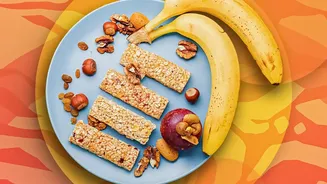
The need for convenience extends beyond the home and into two key areas: the office and travel. Office snacking is no longer just about a cup of chai and biscuits. Professionals are seeking out snacks that are filling, non-messy, and provide sustained energy. Options like roasted makhana, millet puffs, and nut mixes are becoming desk-side staples. When it comes to travel, while culinary tourism is on the rise with many planning trips around food experiences, the practicalities of the journey itself call for convenient options. A significant number of Indian travellers pack their own 'portable pantry', including items like instant noodles, ready-made curry pastes, and dry snacks, to ensure they have familiar and quick meal solutions on hand. This behaviour highlights a desire for both authentic local food experiences and the comfort of convenient, home-like food while away.