

Making scented candles at home is a rewarding craft, filling your space with custom aromas. But before you melt your first flake of wax, the most critical decision is your container. Choosing the wrong one isn't just a waste; it's a fire risk.
Why Your Container Choice Matters
A candle
is a controlled fire, and the container's job is to keep it that way. When a container isn't up to the task, it can fail spectacularly. The primary danger is 'thermal shock'—when a material cracks or shatters due to rapid or uneven temperature changes. The base of a candle jar gets intensely hot as the flame burns down, while the upper parts remain cooler. This temperature difference creates stress in the material. If the container can't handle it, it may crack, spilling hot, flammable wax and an open flame, posing a serious fire hazard. Another risk comes from porous materials like unsealed terracotta or wood; they can absorb hot wax, effectively turning the entire container into a giant, unpredictable wick.
The Best Materials for Candle Jars
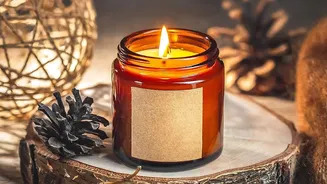
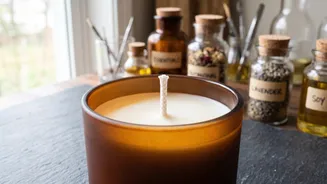
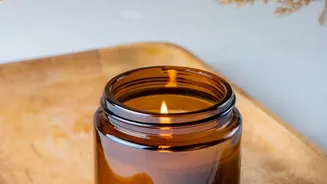
To avoid danger, stick to materials known for their safety and reliability. The best choices are non-flammable, non-porous, and designed to withstand thermal stress. • Glass: This is the most popular choice for a reason. However, not just any glass will do. Look for thick-walled jars specifically sold for candle making. These are often made from annealed or tempered glass, which is treated to handle repeated heating and cooling. Mason jars, designed for high-heat canning, are also a popular and generally safe option because they can withstand high temperatures. • Glazed Ceramics: A ceramic mug or pot can be a stylish option, but only if it's fully glazed on the inside and out. The glaze creates a non-porous barrier. A good rule of thumb is if it’s marked as microwave and dishwasher-safe, it's likely heat-resistant enough for a candle. • Metal: Tins made specifically for candles are another excellent, durable choice. They are unbreakable and conduct heat well, which can help achieve an even melt pool.
Containers to Absolutely Avoid
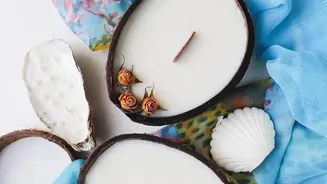
Just as important as knowing what to use is knowing what to avoid. Using the wrong vessel is a common mistake for beginners. • Untested or Thin Glass: Never use standard drinking glasses, wine glasses, or decorative vases. Their thin glass is not designed for the concentrated, sustained heat of a candle flame and can easily shatter. • Plastic and Wood: This may seem obvious, but it bears repeating: never use flammable materials. Wood can catch fire, and plastic will melt, releasing potentially toxic fumes and spilling hot wax. • Porous Ceramics: Unglazed pottery, terracotta pots, and air-dried clay are porous. They can absorb wax and ignite, creating a dangerous situation where the entire vessel becomes part of the flame. • Vintage or Repurposed Items: That charming vintage teacup or thrifted jar might look perfect, but it's a risky choice. You can't be sure of its material composition, and older ceramics may have fine, invisible cracks that can fail under heat. Even if a vessel has survived one burn, thermal shock can be cumulative, meaning it could crack on a subsequent use.
How to Inspect and Test a Container
Even when you think you have a suitable container, a quick inspection is crucial. Before pouring, check for any hairline cracks, chips, or scratches, as these are weak points where a fracture can start. The container should also have a stable, flat bottom so it won't tip over easily. For repurposed jars you feel confident about, a burn test is essential. Make one test candle in the container and burn it in 4nday cycles in a safe, monitored environment until all the wax is gone. Watch for any signs of cracking or overheating. The outside of the container should get warm, but it shouldn't be too hot to touch comfortably. This test helps ensure your container and wick combination is safe before you make a whole batch.
Shape and Size Considerations
The container's geometry also plays a role in safety. Avoid vessels that are tall and narrow or have a constricted opening, as these can trap heat and cause the glass to overheat. The ideal shape is a simple cylinder or a jar with straight or slightly angled sides. This allows heat to dissipate evenly and promotes a healthy, consistent melt pool. The container's diameter will also dictate the size of the wick you need. Using a wick that is too large for the container will generate excessive heat, increasing the risk of the container failing. Always follow wick recommendations from your supplier based on your chosen jar's diameter.