


From Mummies to Molecules
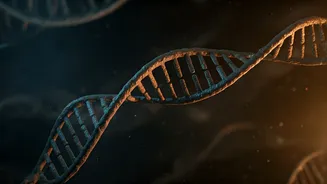
When you hear “ancient disease,” you might picture a dusty mummy or a medieval plague pit. That’s part of it, but today’s research goes much deeper. Fields like paleopathology and archaeogenetics allow scientists to extract and study the DNA of pathogens
that are thousands, or even tens of thousands, of years old. By analyzing the skeletons, preserved tissues, and even the dental plaque of ancient peoples, researchers can reconstruct the health and disease landscape of the past. They are not just finding old germs; they are mapping the evolutionary history of viruses and bacteria, discovering how human bodies adapted, and revealing how our ancestors lived and died in ways we could never have known from bones alone. This isn’t just a history lesson; it's a form of genetic time travel that has profound implications for modern medicine.
Why Our Ancestors' Health Matters Today
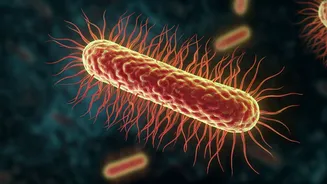
This research is far from an academic indulgence. Understanding how ancient pathogens evolved helps us prepare for future pandemics. For example, identifying the genetic makeup of the bacterium that caused the Black Death, Yersinia pestis, has provided a crucial long-term view of how deadly infections emerge and spread. Studying the interplay between ancient human DNA and viruses reveals genetic vulnerabilities and resistances that still affect us. One study found that a genetic risk factor for severe COVID-19 was inherited from Neanderthals. Similarly, insights from ancient genomes have led to new strategies for treating modern fertility issues. In an age of antibiotic resistance and emerging zoonotic diseases, looking back at how our ancestors co-evolved with pathogens gives us a critical advantage in the ongoing fight for public health.
Lost in Translation
Despite its importance, the communication of this research is often failing. On one side, findings are published in dense academic journals, inaccessible to the public. On the other, the media often resorts to sensationalism. A discovery about a long-dormant virus in melting permafrost becomes a story about a “zombie virus” apocalypse, creating fear rather than understanding. This type of reporting encourages emotionally charged impressions rather than objective understanding. This communication gap is damaging. It can lead to public anxiety, misinterpretation of risks, and a general distrust of the scientific process. The nuance of discovery—the careful, methodical work and the cautious, qualified conclusions—is lost in the hunt for a dramatic headline.
The Urgent Need for Science Storytellers
The solution is not to stop the research or to blame the public for their curiosity. The solution is better storytelling. The scientific community must move beyond a model where communication is an afterthought. Scientists, journalists, and public health officials need to collaborate to create narratives that are both accurate and engaging. This means using clear language, providing context, and explaining not just what was found, but why it matters. The goal is not to dumb down the science, but to build a bridge of understanding between the lab and the public. Professional science communicators can act as brokers, helping researchers shape their message and reach a wider audience without sacrificing accuracy for clicks. As one archaeologist and science communicator notes, the goal is to find the essential message—the one sentence that says it all—and build from there.