








Beyond Total Rainfall
For centuries, the health of a forest has been linked to the annual rainfall it receives. More rain, it was assumed, meant a healthier forest. While this is broadly true, scientists are now understanding that the characteristics of that rainfall are just
as important. New research highlights a crucial distinction: is the rain falling in gentle, regular showers, or in intense, infrequent deluges? This difference in rainfall patterns, driven by shifting climate dynamics, has profound implications for how forests recover from disturbances and how they grow. A recent NASA-led study found that the day-to-day variability of rainfall was nearly as important as the annual total in driving plant growth across the globe.
The Problem with Too Much, Too Fast
Intense, heavy downpours, which are becoming more frequent in many parts of the world, might seem beneficial, but they often cause more harm than good. When rain falls faster than the soil can absorb it, the excess water runs off the surface, taking valuable topsoil and nutrients with it. This process, known as soil erosion, can be particularly damaging on steep slopes, leaving the ground less fertile and stable. The tree canopy and the layer of leaf litter on the forest floor are nature's first line of defence, helping to break the force of falling raindrops and allowing water to soak into the ground. However, extreme rainfall events can overwhelm these natural systems, leading to flash floods that can damage trees and wash away seeds and saplings essential for forest regeneration.
The Stress of Longer Dry Spells
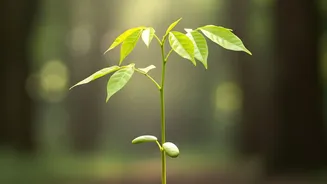
The flip side of more intense rain is often longer dry periods in between. This changing pattern can be particularly stressful for ecosystems, especially those not adapted to long stretches without water. Humid ecosystems, like tropical rainforests, tend to fare worse under these conditions. Young trees and seedlings are especially vulnerable. Their shallow root systems can't access deeper water reserves, making them susceptible to drying out during extended droughts. Forest recovery after events like fires or logging is significantly hampered when reliable, gentle rains are replaced by a cycle of deluge and drought. This variability disrupts the delicate process of germination and establishment, which is vital for a forest's long-term survival and renewal.
The Indian Monsoon Context
These global trends have specific relevance for India, where the economy and ecosystem are deeply intertwined with the annual monsoon. Recent analyses show that the Indian monsoon is becoming more erratic, with a trend towards short-duration, heavy rainfall events followed by longer dry spells. Studies in Central India, for example, have noted that decades of warming and shifting rains are reshaping forests. While some research indicates a 'greening' trend in parts of Central India's forests, suggesting resilience, this is happening against a backdrop of increasing extreme weather events. Changes in the timing and intensity of monsoon rains can disrupt the lifecycle of forests, affect soil moisture, and increase the risk of forest fires, particularly impacting dry deciduous forests.
A Path Forward for Forest Management
Understanding these nuanced rainfall dynamics is crucial for effective forest conservation in a changing climate. It's no longer enough to just protect a patch of trees; management strategies must now account for how water moves through the landscape. This includes efforts to improve soil health to increase water absorption and reduce erosion. Techniques like building small check dams or placing logs on contours can help slow down runoff during intense storms, allowing more water to sink into the ground where trees can use it. As climate change continues to alter weather patterns, these adaptive, water-focused conservation strategies will be essential to ensure our forests remain resilient and continue to provide the vital ecosystem services we all depend on.