



The Daily Battle Against Dampness
For the daily commuter, the monsoon brings a unique set of challenges. Navigating waterlogged streets, crowded public transport, and slippery platforms can be stressful enough without the added misery of drenched feet. Traditional footwear like leather
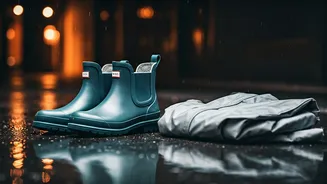
shoes, canvas sneakers, and open-toe sandals are simply not built for these conditions. Leather gets damaged by water, canvas becomes a soggy mess, and both can take ages to dry. This constant dampness is not just uncomfortable; it can lead to foot-related health issues like fungal infections and blisters. [6, 8, 10] It’s a recurring problem that highlights the need for a better solution than simply hoping for the best.
The Evolution Beyond Gumboots
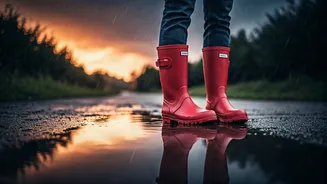
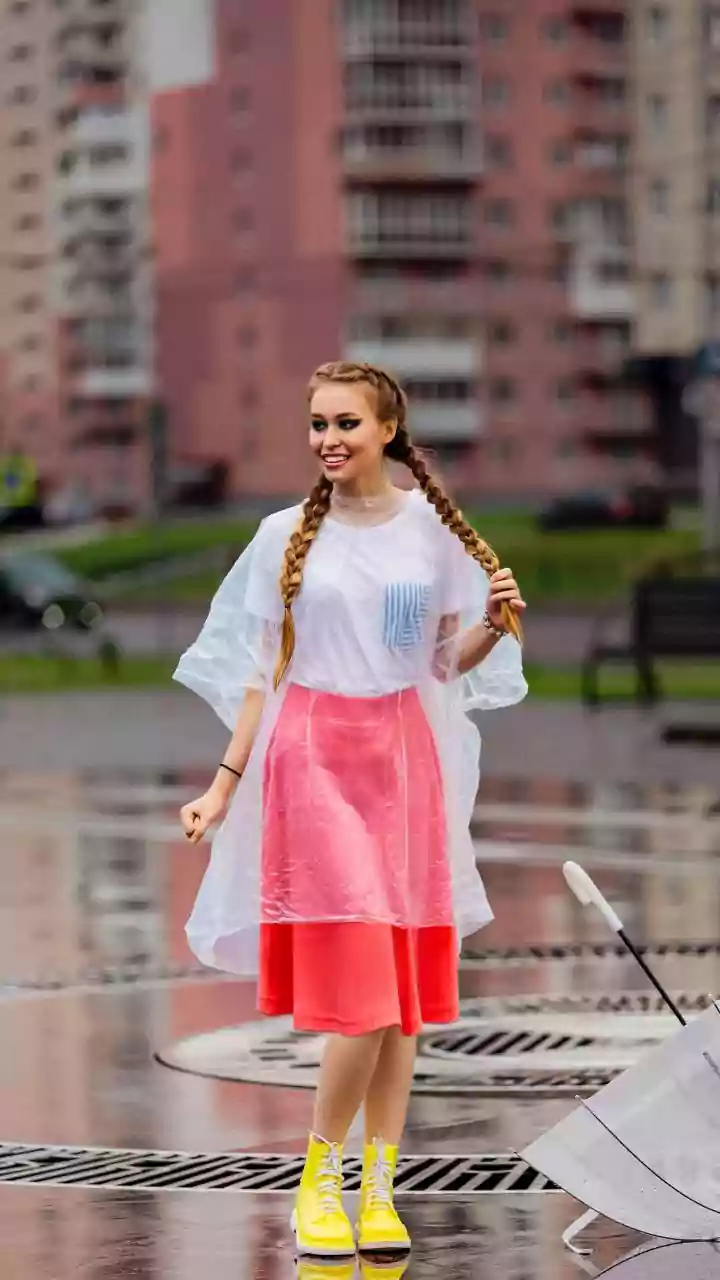
When you hear “waterproof footwear,” the first image that often comes to mind is of heavy, clunky rubber gumboots. While effective, they are hardly practical or stylish for an office environment or a casual outing. However, the world of footwear has evolved dramatically. Today’s waterproof options blend high-tech materials with contemporary design, offering styles that are as fashionable as they are functional. [7] From sleek, office-appropriate boots to trendy sneakers, you no longer have to sacrifice your look for the sake of staying dry. This new generation of footwear is designed for the modern professional who needs to transition seamlessly from a wet commute to a boardroom meeting. [14, 17]
The Technology of Staying Dry
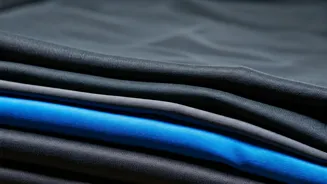
The magic behind modern waterproof shoes lies in advanced materials and construction. Many high-performance shoes use a special membrane, like the well-known GORE-TEX, layered inside the shoe. [4, 9] This membrane has microscopic pores that are too small for water droplets to penetrate from the outside but large enough for water vapour (sweat) to escape from the inside. [4, 6] This creates a shoe that is both waterproof and breathable, a crucial combination for comfort. [4, 9] Other materials include treated leather, which repels water while maintaining a classic look, and newer synthetics like Polyurethane (PU) and Polyvinyl Chloride (PVC), which offer an impenetrable barrier against moisture. [4, 24] Seams are often sealed with waterproof tape to prevent any leakage, ensuring your feet remain completely dry. [6, 14]
The Rise of the Waterproof Sneaker
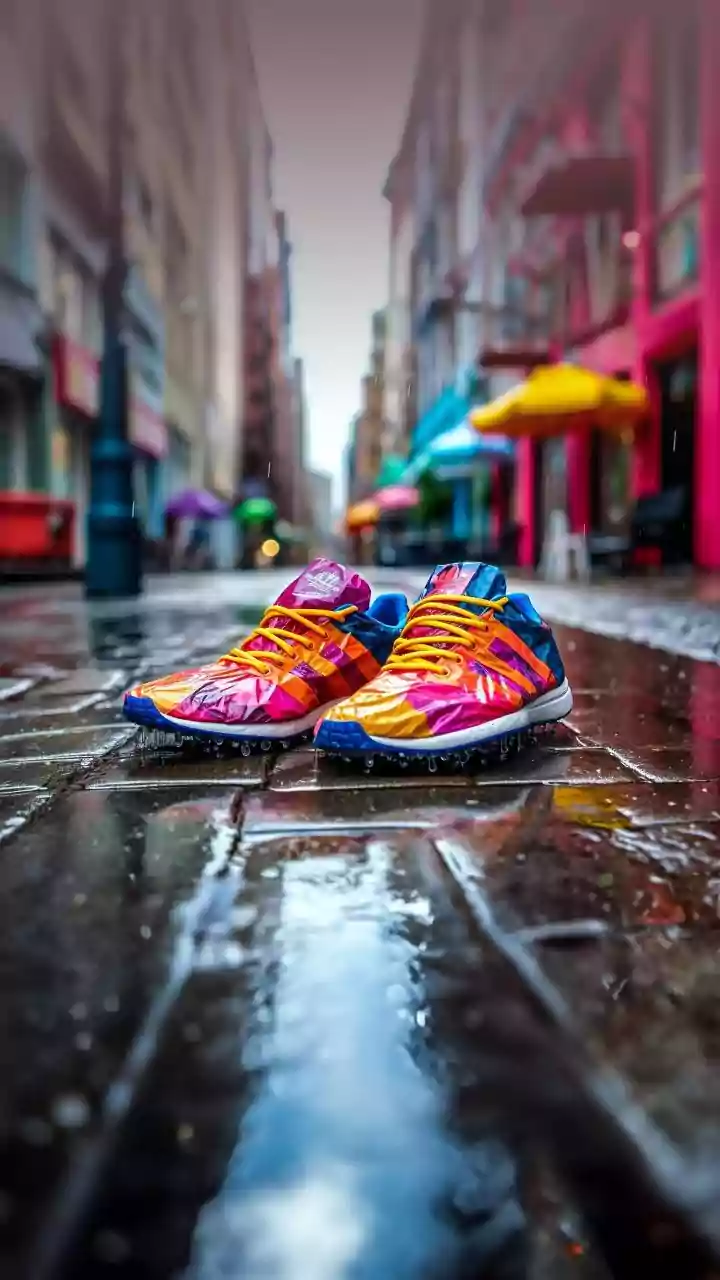
Perhaps the most versatile addition to the waterproof family is the sneaker. Brands now offer popular sneaker styles that are fully equipped to handle the rain. [7, 19] These aren't just your average sports shoes with a temporary coating; they feature integrated waterproof membranes and water-repellent uppers that keep you dry without the bulk. [12] They offer the perfect blend of casual style and all-weather practicality, making them ideal for students, creative professionals, and anyone with a business-casual dress code. You can pair them with jeans or chinos and navigate your day without a second thought about unexpected downpours. [14, 19]
Sleek Boots and Loafers for the Office
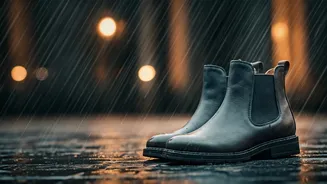
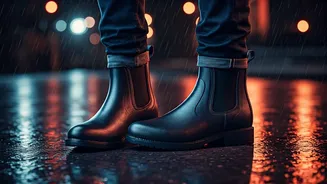
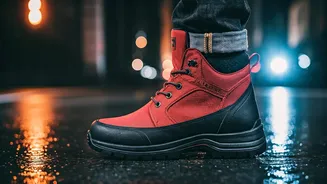
For those in more formal work environments, the options are equally impressive. Ankle-length boots, like the classic Chukka or Chelsea boot, are now available in waterproof versions made from treated leather or advanced synthetic materials. [7, 15] These boots provide more coverage than shoes, protecting your ankles from splashes while maintaining a sharp, professional silhouette. [15] Even loafers and other slip-on styles are getting a monsoon-ready makeover, incorporating water-resistant finishes and durable, grippy soles that make them suitable for the office commute. [3, 19]
How to Choose Your Perfect Pair
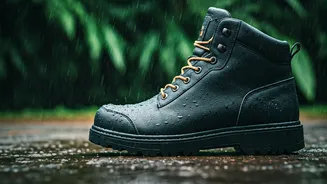
When shopping for waterproof footwear, there are a few key features to consider. First, check the material and construction—look for breathable membranes like GORE-TEX for active use or sealed-seam construction for maximum protection. [4, 21] Second, traction is critical. Wet surfaces are slippery, so look for a durable rubber sole with a good tread pattern to prevent slips and falls. [10, 22] Third, consider breathability to avoid sweaty, uncomfortable feet. [11] Finally, think about your primary use. A city commuter might prioritise style and lightweight comfort, while someone with a more rugged journey might need the durability of a hiking-style shoe. [3, 22]