


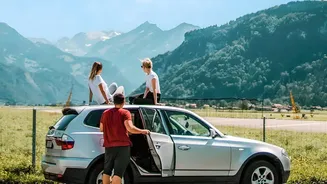
The great Indian annual vacation, a long-held tradition of saving up for one big trip, is getting a modern makeover. A growing number of travellers are now choosing to take multiple short breaks, or 'micro-cations', throughout the year.
A Smart Strategy for Your Wallet
The most compelling
reason behind this shift is financial prudence. A single, long holiday can create a significant financial burden, often requiring months of saving or even leading to debt. By taking several shorter trips, travellers can spread their expenditure more evenly across the year. This approach makes travel feel more accessible and less like a major financial event. Instead of one large bill for flights, hotels, and activities, costs are broken down into smaller, more manageable amounts. This strategy aligns with modern budgeting habits, where people prioritise travel but are increasingly conscious of costs. A short weekend getaway naturally costs less in terms of accommodation and food, making it possible to explore new places without the 'financial hangover' that can follow a long, expensive holiday.
The Rise of the 'Micro-Cation'
This trend has a name: the 'micro-cation', a short leisure trip lasting anywhere from two to four days. It has become a necessity for many, especially working professionals dealing with high-pressure jobs and limited leave. Rather than waiting months for a long break to de-stress, people are using long weekends and public holidays for quick escapes. This fits perfectly into busy modern lifestyles, where taking ten consecutive days off can feel disruptive. The rise of remote and flexible work has also contributed, allowing people to blend work and leisure. Improved infrastructure, better road connectivity, and the ease of online booking have made spontaneous, short-notice trips more feasible than ever before. Destinations just a few hours' drive from major cities like Mumbai, Delhi, and Bangalore are seeing a surge in weekend visitors.
More Than Just Managing Money
While budget is a key driver, the appeal of multiple breaks goes deeper. Psychologically, having several trips to look forward to throughout the year can significantly boost mental well-being and combat burnout. Research suggests that frequent short vacations can be more effective at sustaining well-being than a single long holiday. These mini-resets provide a regular escape from routine, helping to improve mood, boost creativity, and increase productivity upon return. A short trip is also often less stressful to plan and experience. With a simpler itinerary and fewer logistics to worry about, travellers can focus more on the experience itself, returning home feeling genuinely refreshed rather than exhausted from a packed schedule.
A New Way to Explore India
This trend is changing how Indians travel and what they want from their holidays. Instead of trying to see everything a destination has to offer, microstcationers focus on quality experiences—a peaceful stay at a coffee plantation in Coorg, a weekend of trekking in the Himalayas, or exploring the monsoonndrenched ghats near Lonavala. It encourages the exploration of domestic destinations, with many travellers discovering hidden gems closer to home. This shift provides a consistent economic boost to local businesses in smaller towns, including homestays, cafes, and tour guides, who benefit from a steady stream of visitors yearround, not just during peak seasons. The focus is on spontaneous, mooddriven travel, where a desire for a change of scenery is enough reason to book a quick trip.