






What Exactly Is Chaturmas?
Chaturmas, which literally means 'four months', is a significant period of observance that begins on Devshayani Ekadashi and concludes on Prabodhini Ekadashi. For 2026, this sacred window falls from July 25 to November 20. According to spiritual beliefs,
this is when Lord Vishnu enters a state of cosmic slumber, or 'Yog Nidra'. Consequently, this time is considered ideal for focusing inward. Devotees often engage in prayer, fasting, reading scriptures, and charity. It's a pause from the external world, so major auspicious events like weddings and housewarming ceremonies are traditionally postponed until the period ends.
The 'Why' Behind the Food Rules
The dietary guidelines for Chaturmas are not arbitrary; they are based on two interconnected principles: spiritual purity and seasonal wellness. Spiritually, the goal is to consume a 'sattvic' diet. Sattvic foods are believed to be pure, light, and calming, helping the mind achieve clarity for meditation and prayer. Foods that are 'rajasic' (stimulating, like onion and garlic) or 'tamasic' (dulling, like meat and stale food) are avoided as they are thought to distract the mind and create lethargy.
From a wellness perspective, Chaturmas coincides with the monsoon season. According to Ayurveda and traditional wisdom, our digestive fire ('agni') is weaker during these months. The humidity also increases the risk of water-borne diseases and causes insects and microbes to thrive, particularly on leafy green vegetables. The diet, therefore, is designed to be gentle on the digestive system and reduce the risk of illness.
General Foods to Limit or Avoid
While practices vary by community and individual choice, some guidelines are widely followed. The most common is the avoidance of non-vegetarian food (meat, fish, eggs) and alcohol. Many people also abstain from eating onions and garlic, which are considered 'rajasic' and are believed to increase mental stimulation, making introspection more difficult. Some traditions also discourage very oily, spicy, or heavily fried foods, favouring simpler preparations that are easier for the body to process during this time.
A Deeper Dive: Monthly Food Traditions
For those who follow a more stringent observance, there are specific food groups to be avoided during each of the four months. In the first month, often corresponding to Shravan, leafy green vegetables ('shaak') are avoided due to the higher risk of contamination by worms and bacteria during peak monsoon. In the second month (Bhadrapad), it is traditional to give up curd or yogurt ('dadhi'), as it is believed to be heavy on a sluggish digestive system. The third month (Ashwin) sees the avoidance of milk ('ksheera'), and the fourth and final month (Kartik) involves abstaining from certain pulses and lentils like urad dal, which are considered high in protein and harder to digest.
So, What Can You Eat?
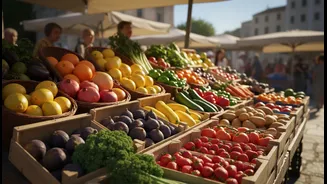
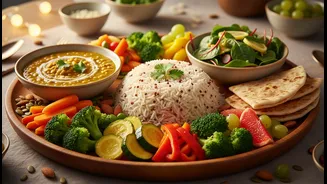
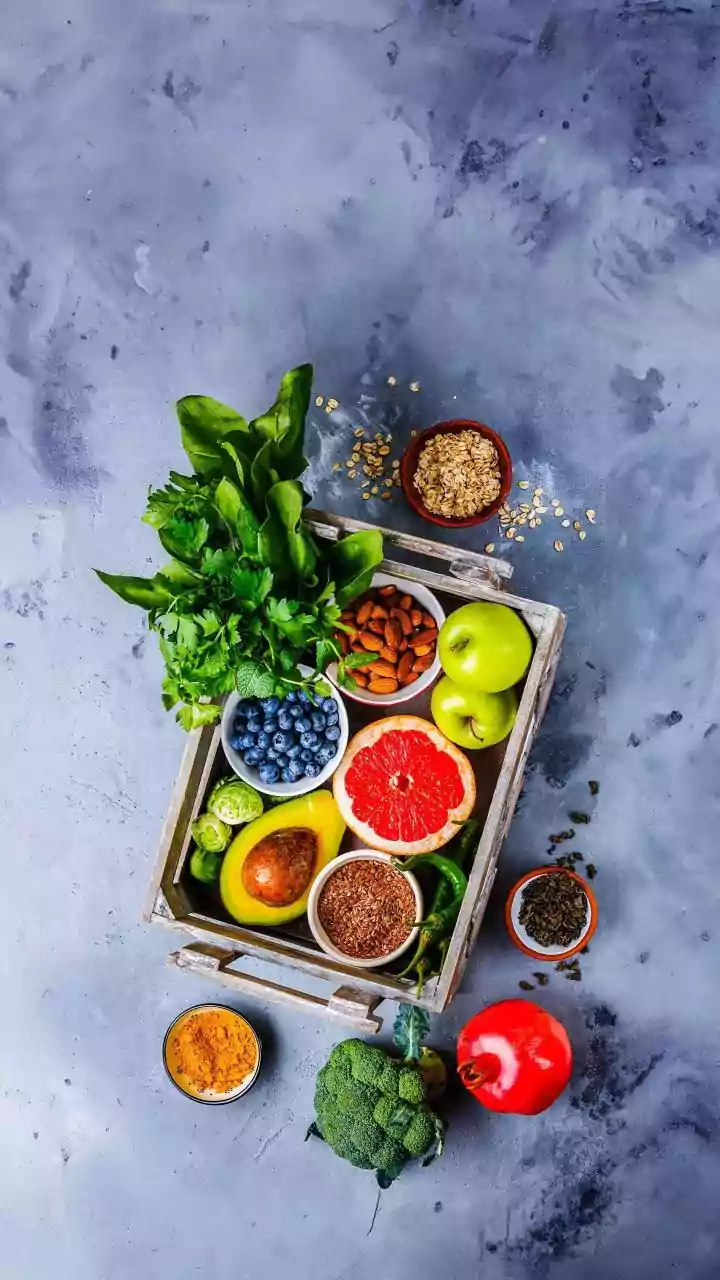
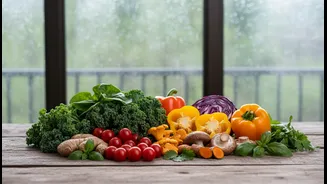
The diet is far from restrictive and focuses on nourishing, easily digestible foods. Seasonal fruits and many vegetables like bottle gourd (lauki) and sweet potato are encouraged. Grains like buckwheat (kuttu), amaranth (rajgira), and water chestnut (singhara) are staples, especially for fasting. Sabudana (sago or tapioca pearls) prepared as khichdi or kheer is another popular choice. Rock salt (sendha namak) often replaces regular table salt. Dairy products like ghee and buttermilk are generally considered beneficial, though some traditions limit them in specific months. The focus is on fresh, clean, and simple meals that support both body and spirit.