








Embrace Smart Storage
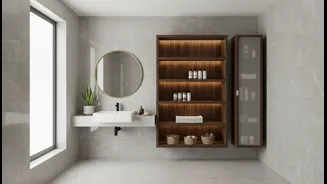
The first step to achieving a practical retreat is conquering clutter. In a shared bathroom, this is non-negotiable. Instead of letting toiletries take over every surface, think vertically. Wall-mounted cabinets, floating shelves, and over-the-toilet
storage units are excellent for using 'dead space' effectively. Mirror cabinets are a classic two-in-one solution, hiding everyday essentials while making the room feel larger. For a truly organised system in a multi-person household, consider pull-out drawers within a vanity unit or even portable trolleys and baskets that can be assigned to different family members, keeping personal items separate and countertops clear.
Choose Materials Wisely
The Indian climate, with its humidity and monsoons, demands materials that are durable and easy to maintain. For flooring, anti-skid tiles are a safety essential, especially in homes with elderly members or children. Vitrified and ceramic tiles are popular choices for both floors and walls due to their low porosity and resistance to stains and scratches. For walls, you can save costs by tiling only the wet areas, like the shower, and using a high-quality, moisture-resistant paint for the rest of the space. This not only saves money but also offers a chance to play with colour.
Create the Illusion of Space
Many Indian bathrooms, especially in urban apartments, are compact. The key is to make them feel bigger than they are. Using a light and bright colour palette—think whites, beiges, and soft pastels—can instantly make a room feel more open and airy. A large mirror is a designer's best friend in a small space; it reflects light and creates an illusion of depth, visually doubling the size of the room. To enhance this effect, consider wall-mounted fixtures like a floating vanity or a wall-hung toilet, which expose more floor area and give a sense of uninterrupted space.
Separate Wet and Dry Zones
One of the most practical upgrades for a shared Indian bathroom is the clear separation of wet and dry zones. This simple division prevents the entire bathroom from becoming damp after a shower, improving hygiene and reducing the risk of slips. A simple glass partition or even a high-quality shower curtain can effectively contain water within the shower area. This ensures the rest of the bathroom, including the vanity and toilet, remains dry and usable for other family members.
Add Retreat-Like Touches
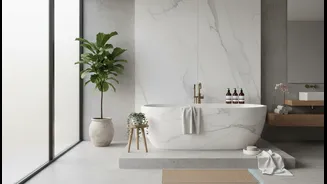
Practicality doesn't mean sacrificing luxury. Once the functional elements are in place, you can introduce spa-like details. A rainfall showerhead can transform your daily shower into a restorative ritual. Good lighting is crucial; instead of a single harsh overhead light, opt for layered, dimmable lighting, such as backlit mirrors or soft wall sconces, to create a relaxing ambiance. Introduce natural elements like small, humidity-loving plants, or use wooden-finish tiles for a touch of warmth without the maintenance of real wood. Finally, invest in high-quality textiles like plush towels and bathmats to complete the experience.