





Longer Than Its Entire Year
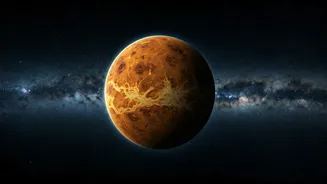
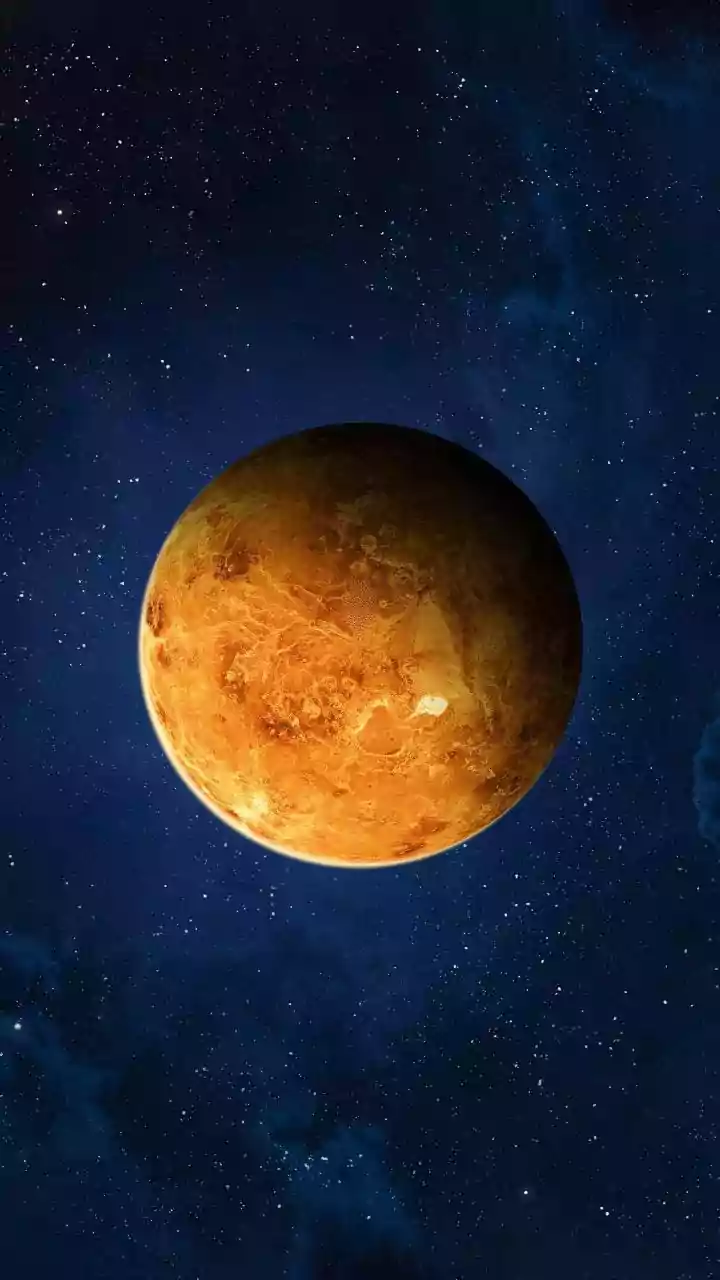
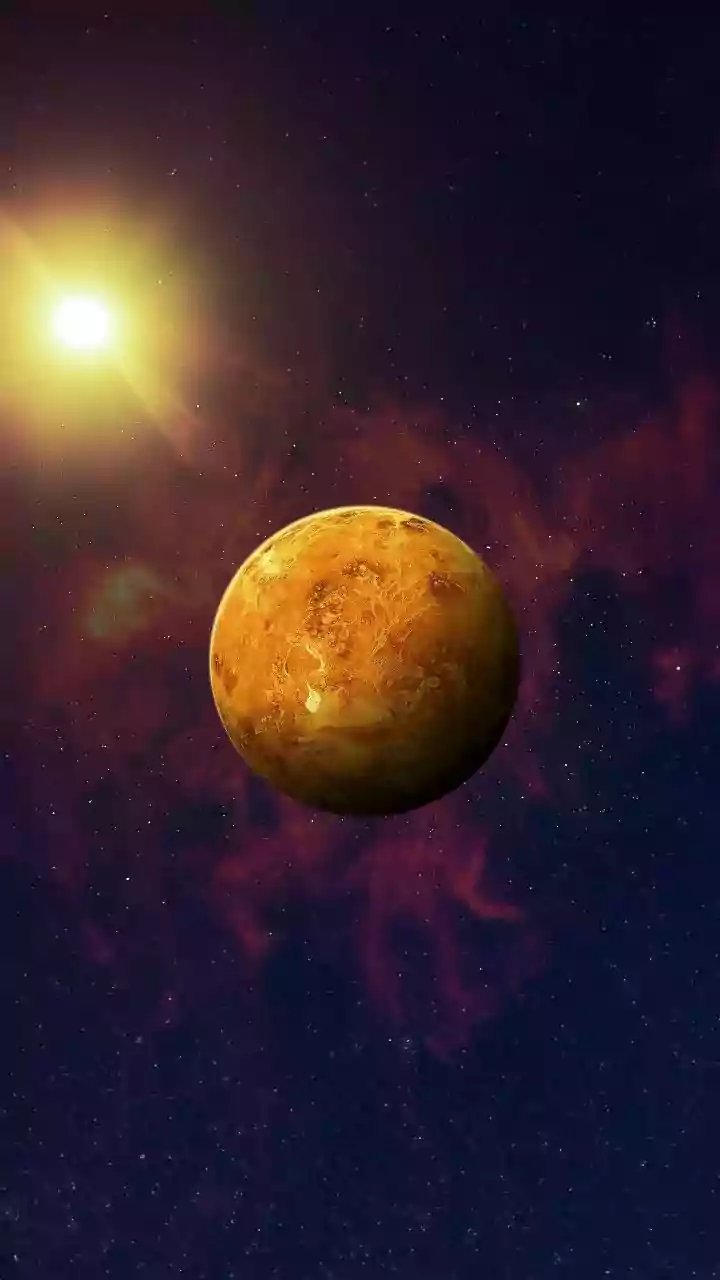
Let’s get straight to the mind-bending answer: a single slow rotation of Venus takes longer than its entire year. To be precise, it takes Venus about 243 Earth days to spin once on its axis (a sidereal day). However, it only takes about 225 Earth days for
Venus to complete one full orbit around the Sun (a Venusian year). Imagine that. On Venus, you would celebrate your first birthday before the planet had even completed a single full spin. This unique characteristic makes Venus an outlier among the planets in our solar system. While we on Earth are used to a rhythm of roughly 365 days in our year, Venus operates on a completely different, almost lazy, cosmic clock. This isn't just a fun piece of trivia; it's a gateway to understanding just how alien our so-called 'sister planet' truly is.
A Planet Spinning Backwards
The oddities don’t stop with its slow pace. Venus also spins in the opposite direction of most other planets, including Earth. This phenomenon is known as retrograde rotation. If you could stand on the surface of Venus, you would see the Sun rise in the west and set in the east. Why does it spin backwards? Scientists have a few theories. One leading hypothesis is that a massive asteroid or other celestial body collided with Venus billions of years ago, sending it into its backward, leisurely spin. Another theory suggests that the planet's incredibly thick atmosphere created a powerful tidal effect over billions of years, gradually slowing its rotation and eventually reversing it. Whatever the cause, this backward spin contributes to another strange feature: its solar day.
Sunrise to Sunrise Is a Different Story
While a full rotation takes 243 Earth days, the time from one sunrise to the next on Venus (a solar day) is significantly shorter—around 117 Earth days. Why the difference? It’s because the planet is both spinning backwards and moving forward in its orbit around the Sun. Think of it like walking backwards on a moving walkway. Even though you are moving slowly, your position relative to your starting point changes in a complex way. The combination of Venus's retrograde rotation and its orbit creates a cycle where the Sun appears in the sky for nearly two Earth months, followed by two months of night. It’s a day-night cycle unlike anything we experience, creating an environment of extreme and prolonged temperatures.
The Hellish Consequences
This slow, backward rotation is a key piece of the puzzle that is Venus's extreme environment. The planet is shrouded in a thick, toxic atmosphere composed mainly of carbon dioxide with clouds of sulfuric acid. This atmosphere is so dense that the pressure on the surface is about 92 times that of Earth at sea level—equivalent to being nearly a kilometre deep in the ocean. This dense blanket of CO2 has led to a runaway greenhouse effect, trapping heat and roasting the planet’s surface at a blistering 465°C, hot enough to melt lead. The slow rotation means that any part of the planet facing the Sun gets baked for months on end, while the night side doesn't cool down enough due to the insulating atmosphere. It’s not just a sister planet; it's a vision of a planetary climate gone horribly wrong.
An Enduring Cosmic Mystery
Venus was once thought to be a lush, tropical paradise hidden beneath its clouds. We now know it’s one of the most inhospitable places in the solar system. Its bizarre rotation, crushing atmosphere, and scorching temperatures make it a fascinating subject of study. It serves as a natural laboratory for understanding how planetary climates can evolve—and how delicate the balance is that makes a planet like Earth habitable. Scientists continue to propose missions, including India's own planned Shukrayaan-1, to peel back the layers of Venus's mysteries. Understanding why our planetary neighbour turned out so differently from Earth could provide crucial insights into planet formation, atmospheric science, and the conditions necessary for life to arise elsewhere in the universe.