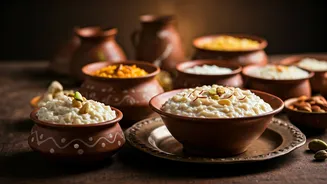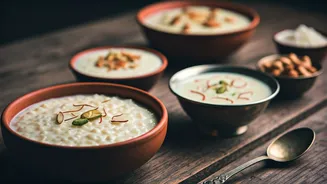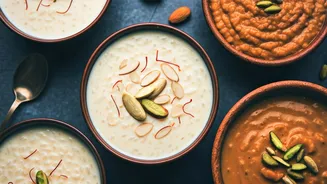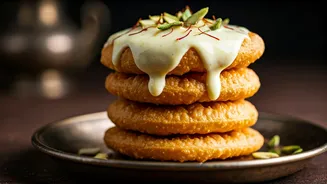



The Timeless Classic: Chawal Ki Kheer
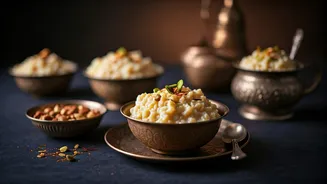
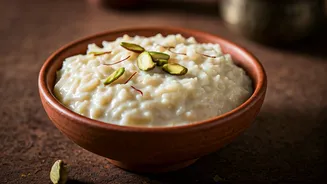
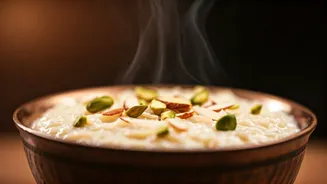
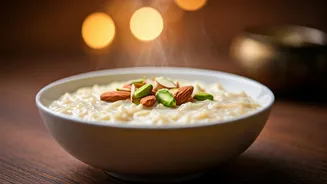
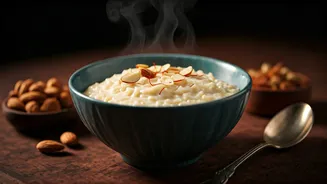
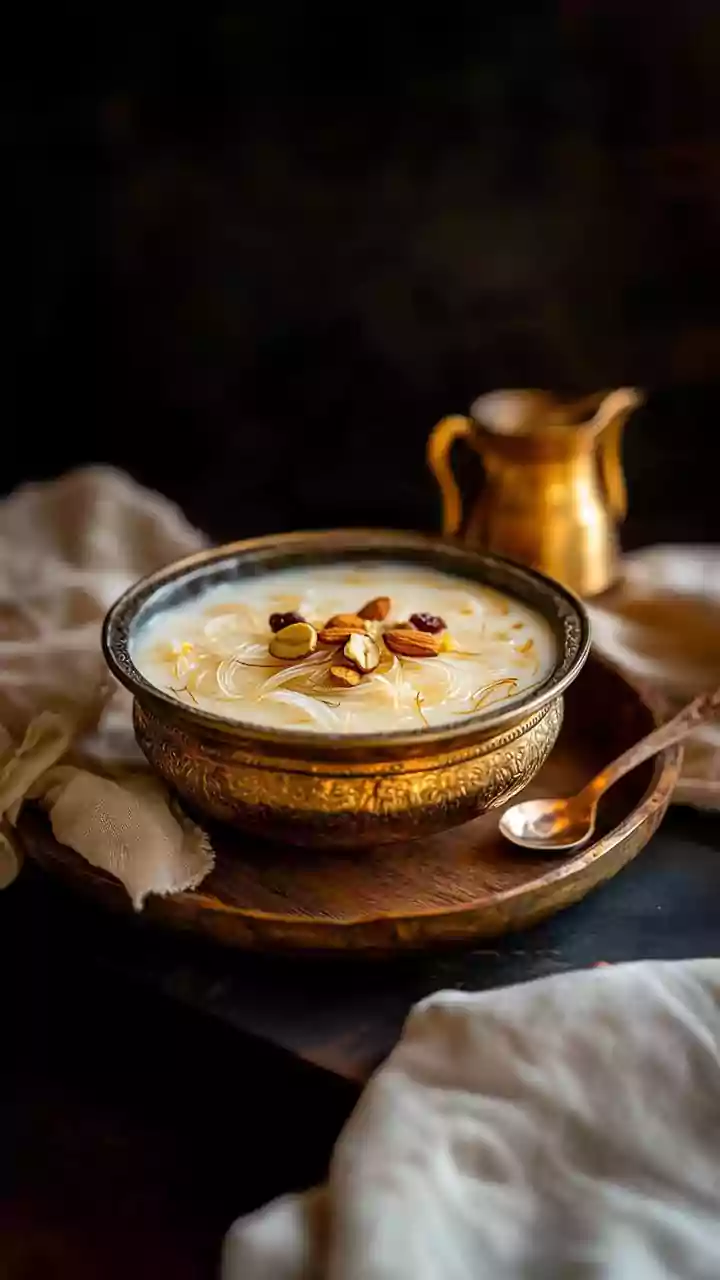
This is the quintessential kheer, the one that defines the genre for many. [28] Made by slow-cooking rice in milk until it softens and the milk thickens into a creamy consistency, Chawal Ki Kheer is simplicity at its best. [28, 31] The magic lies in the slow simmering,
which allows the rice to release its starch, creating a naturally thick and luscious texture. [36] Flavoured delicately with green cardamom, saffron, and sweetened with sugar, it is often garnished with slivered almonds and pistachios. [27, 34] Every household has its own slight variation, a secret touch passed down through generations, making each bowl a taste of home and heritage. [29] Its origin is ancient, with milk and rice puddings being mentioned in early Indian literature, solidifying its place as a foundational sweet dish. [25]
The Silken Indulgence: Phirni
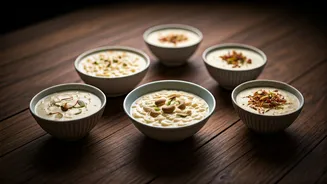
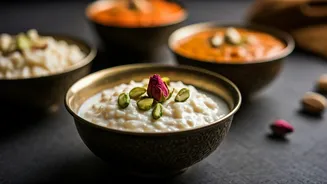
While similar to rice kheer, Phirni has a distinctly different texture and preparation method. [12] Instead of whole rice grains, it is made with coarsely ground basmati rice, which is soaked before being turned into a paste. [4, 6] This paste is then cooked in milk, creating a smoother, more homogenous pudding. [10, 13] Originating from Mughal kitchens, Phirni carries a touch of royalty. [13] It is often infused with saffron and rose water and traditionally served chilled in earthenware bowls called 'shikoras'. [13] These porous clay bowls absorb excess moisture, making the Phirni even thicker and imparting a unique earthy aroma that enhances the overall experience.
The Southern Star: Semiya Payasam
Travel south, and you'll find Semiya Payasam, the region's beloved version of vermicelli kheer. [19] Known as 'kheer' in the north and 'payasam' in the south, the core concept remains a celebration of milk and sweetness. [16, 33] Made with fine vermicelli strands (semiya), this version is quick to prepare. [3] The semiya is typically roasted in ghee until golden brown, which imparts a wonderful nutty aroma and prevents it from becoming mushy. [8] It's then simmered in milk with sugar or sometimes jaggery, which lends a deeper, molasses-like sweetness. [3, 8] Garnished with ghee-fried cashews and plump raisins, Semiya Payasam is a staple at festivals and celebrations across South India. [19]
The Festive Treasure: Sheer Khurma
Sheer Khurma is more than just a dessert; it's a symbol of celebration, intrinsically linked with the festival of Eid. The name itself is Persian, with 'sheer' meaning milk and 'khurma' meaning dates. [18, 21] This rich and fragrant pudding has its roots in Persia and journeyed to the Indian subcontinent, where it became a festive essential. [23, 24] It features ultra-fine roasted vermicelli (known as seviyan) cooked in milk, but what sets it apart is the generous addition of dates, which soften and sweeten the milk. [20, 21] A lavish assortment of nuts like pistachios, almonds, and cashews, along with a hint of cardamom and saffron, makes it a truly luxurious treat shared with family and guests to mark the joyous occasion. [20]
The Fasting Favourite: Makhane Ki Kheer
During fasting periods like Navratri, when grains are often avoided, Makhane Ki Kheer takes centre stage. [5] Made from phool makhana (fox nuts or lotus seeds), this kheer is both light and incredibly rich. [5, 11] The makhana are roasted in ghee until they become crisp, then simmered in milk where they soften and shrink, absorbing all the milky goodness. [14, 22] Some of the roasted makhana are often coarsely powdered to help thicken the kheer naturally. [17] Flavoured with cardamom and saffron and loaded with nuts, it offers a delightful textural contrast between the soft, chewy makhana and the creamy milk, making it a perfect, permissible indulgence during religious observances. [5, 14]