





The New Winter Reality
Planning a winter holiday in India used to be simple. You could count on snow-laden peaks in the Himalayas, pleasant sun-drenched afternoons in Rajasthan, and balmy beach days in Goa. However, global climate shifts are rewriting these traditional expectations.
Scientists are observing significant changes, including the strengthening of El Niño events, which can lead to warmer winters across the country. For travellers, this means the idyllic winter you have in mind might look a little different on the ground. The season is becoming more erratic, with warmer temperatures overall, delayed snowfall, and shorter, more intense cold spells.
Himalayan Dreams vs. Brown Realities
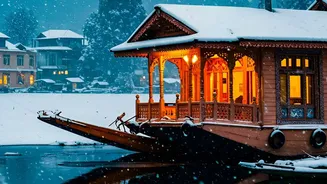
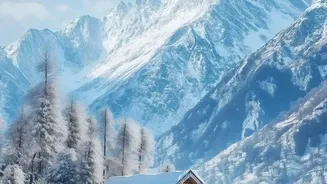
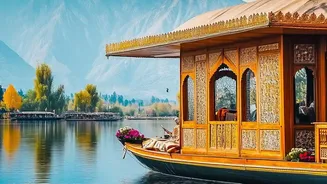
For many, winter travel means one thing: snow. But the legendary snowfall in destinations like Kashmir, Himachal Pradesh, and Uttarakhand is becoming less reliable. Recent data from the Hindu Kush Himalaya region shows a worrying trend of declining snow cover, hitting a 20-year low and marking the fourth consecutive year of below-normal snow persistence. This directly impacts activities like skiing and snowboarding. For instance, Gulmarg has recently experienced such a sharp decline in snowfall that major winter sports events had to be postponed. Winters are seeing less snow overall, and what does fall often arrives later and melts faster. This doesn't mean a snow-free winter is guaranteed, but it does mean that a trip planned months in advance for Christmas skiing might be met with brown, bare slopes. The thrill for professional skiers is also reduced by slush-like conditions caused by warmer weather.
The Shifting Sands of Rajasthan
The golden forts and desert landscapes of Rajasthan are a classic winter favourite, offering a welcome escape from the biting cold of the north. The appeal lies in its pleasantly cool and dry weather from October to March. While Rajasthan remains a fantastic winter option, the definition of 'cool' is changing. The trend towards warmer winters means daytime temperatures may be higher than what was once typical for December and January. While nights in the Thar Desert can still be quite cold, the overall intensity of the winter chill is lessening. This can be a double-edged sword: afternoons might become too warm for comfortable sightseeing, but evenings could be milder for outdoor dinners. The key is to pack layers and be prepared for a wider temperature range than you might expect.
Rethinking Coastal and Southern Escapes
Goa, Kerala, and the coastal south are traditionally seen as year-round destinations, with winter offering a particularly pleasant, dry, and sunny climate. While these regions are less affected by the dramatic temperature swings of the north, climate change is still making its mark. The primary concern here is the potential for more unpredictable weather events, even during the peak dry season. An intensifying El Niño and other climatic factors can alter rainfall patterns globally. This means that while a full-blown monsoon is unlikely, the chances of unseasonal showers or increased humidity could be higher. The winter season may also become shorter, with hotter temperatures arriving earlier in the year, potentially impacting the most popular travel window between October and March.
How to Plan Your 2026-27 Winter Trip
Given the unpredictability, smart planning is more important than ever. Instead of booking a ski trip six months out, consider waiting until closer to your travel dates when snow forecasts are more reliable. For mountain holidays, have a backup plan that doesn't rely solely on snow; focus on trekking, local culture, or simply enjoying the crisp mountain air. When planning for Rajasthan or other parts of the plains, book your stays well in advance as it remains a peak season, but be flexible with your daily itineraries to avoid the midday heat. Packing layers is non-negotiable for any destination, allowing you to adapt to fluctuating temperatures. Finally, consider exploring less-crowded destinations that offer rich cultural experiences regardless of the weather, such as Bundi in Rajasthan or the quieter corners of the Western Ghats.