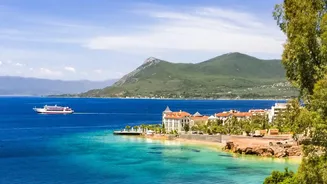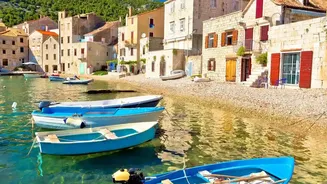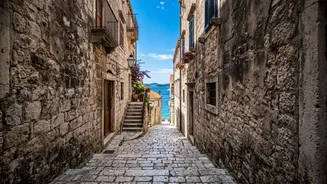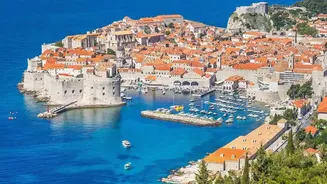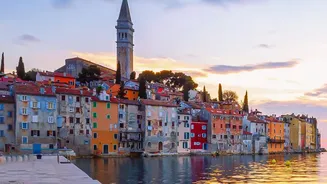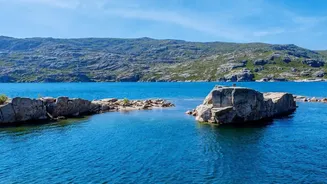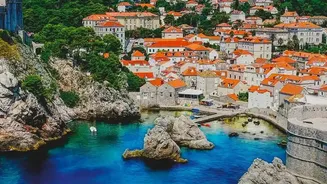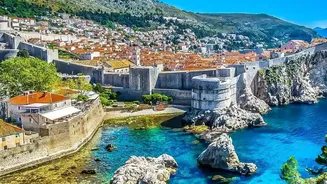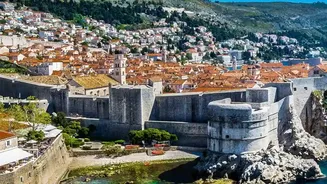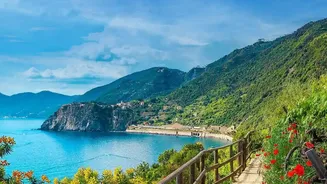




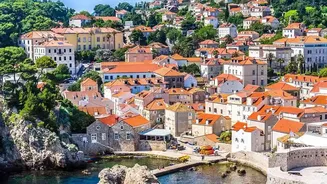
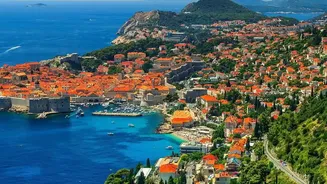
Picture Croatia: sun-drenched walls of an ancient city, bustling with sightseers. Now, picture this instead: a quiet path winding through pine forests, with the Adriatic Sea sparkling below. The country's true magic often lies off the beaten path.
The Old City Wall Crush
For
many visitors, a trip to Croatia isn't complete without walking the iconic city walls of Dubrovnik. They are, without question, magnificent. Yet, the experience can often feel like a victim of its own success. The city has been ranked as one of the most overcrowded tourist destinations, with reports of up to 27 tourists for every resident at its peak. Since 2026, visitors must book a timed slot in advance to manage the flow, a necessary step to combat the queues and congestion that once defined a summer visit. While the views are spectacular, the reality can be a slow shuffle along a parapet, sharing the narrow stone walkway with thousands of others, all for a premium price.
The Case for the Coastline
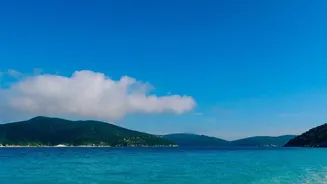
Away from the ticketed attractions, Croatia's extensive coastline offers a different kind of perfection—one that is free, uncrowded, and deeply connected to nature. The country is laced with 'lungomare' (seaside promenades) and hiking trails that hug the shore, offering the same stunning sea views but with a sense of peace and discovery. These paths wind through fragrant pine forests, past secluded coves with crystal-clear water, and connect sleepy fishing villages. They invite you to walk at your own pace, stop for a spontaneous swim, and enjoy the Mediterranean scents of pine and salt without the pressure of a tourist checklist. It's an invitation to experience the Adriatic not as a backdrop, but as a living, breathing landscape.
Istria’s Parenzana Trail
In the northern region of Istria, the Parenzana trail offers a unique journey into history and nature. This route follows a defunct narrow-gauge railway line that once connected 33 Istrian towns from Trieste in Italy to Poreč in Croatia. Today, the Croatian section has been reborn as a popular hiking and cycling path that meanders for 78 kilometres through the countryside. Walkers can traverse restored viaducts and pass through cool stone tunnels, all while enjoying gentle gradients. The trail winds past olive groves, vineyards, and truffle-rich forests, linking charming hilltop towns like Grožnjan and Motovun. It’s a walk that combines industrial heritage with some of the most beautiful inland and coastal scenery in Istria.
Dalmatia’s Lungomare Promenades
Further south along the Dalmatian coast, the 'lungomare' tradition comes to life. One of the most famous is the Lungomare in Opatija, a 12-kilometre coastal path stretching from Volosko to Lovran that dates back to the late 19th century. This elegant promenade passes by Belle Époque villas, lush gardens, and quiet coves, offering a glimpse into the area's past as a health resort for the Austro-Hungarian elite. Similar seaside paths can be found all along the Makarska Riviera, connecting towns like Brela and Baška Voda beneath the dramatic Biokovo mountain range. These promenades are perfect for a relaxed stroll, allowing you to move from beach to cafe to a quiet, shaded bench with the sea always by your side.
The Wild Beauty of Mljet Island
For those seeking true immersion in nature, Mljet National Park is an unmissable alternative. Known as Croatia's 'Green Island', its western third is a protected paradise of dense pine forests and two interconnected saltwater lakes, Veliko and Malo Jezero. A network of walking and cycling trails circles the lakes, leading to viewpoints like Montokuc for panoramic vistas or to the tiny island monastery of St. Mary. With over 43 kilometres of marked hiking trails across the island, you can spend days exploring its pristine landscapes. Here, the sounds are of birdsong and cicadas, not the buzz of crowded cities, offering a serene escape that feels a world away from the mainland's summer rush.