




From Forgotten Forest to Lion Kingdom
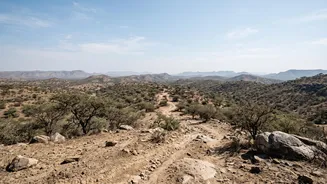
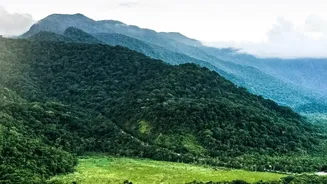
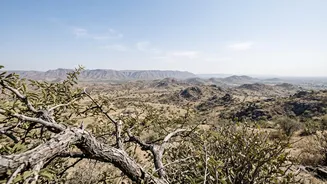
Until recently, Barda was a lesser-known sanctuary in Gujarat, a hilly, forested expanse near Porbandar. While ecologically rich with hundreds of plant species, leopards, and sambar deer, it lived in the shadow of the world-famous Gir National Park. That
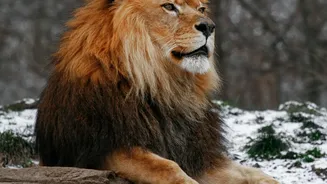
all changed in January 2023, when a male lion naturally dispersed from the Gir landscape and walked into Barda. Following this, the Gujarat Forest Department introduced several females, and by October 2026, a small but growing pride of 17 lions was established. This marked the success of 'Project Lion', a long-term plan to create a second, separate home for Asiatic lions to protect the species from threats like disease or natural disasters that could devastate the single population at Gir.
The Double-Edged Sword of Ecotourism
The arrival of lions instantly changed Barda's profile. An ecotourism programme launched in 2024 saw visitor numbers jump by nearly 50% in its second year, creating valuable jobs for local guides and safari operators. This is the promise of wildlife tourism: it gives local communities a direct economic stake in conservation. When managed well, tourism revenue can fund anti-poaching efforts and habitat protection. However, the line between sustainable tourism and harmful disruption is thin. Unchecked visitor access can lead to habitat destruction, pollution, and disturbance of animal behaviour. For a new and fragile lion population, the risks are even higher. The challenge for Barda is to embrace its newfound fame without sacrificing the very wilderness that makes it special.
Why 'Checking' Access Is Urgent
The phrase 'checking access' isn't about closing the gates; it's about managing the flow. Before the formal Barda Jungle Safari was launched in 2024, access could be haphazard. Now, with a small lion population to protect, the stakes are magnified. The primary concern is disturbance. Lions, especially those establishing new territory, are vulnerable. A constant stream of vehicles, noisy tourists, and flash photography can cause stress, alter hunting patterns, and even drive them out of core areas. There is also the physical impact: litter, particularly plastics, can harm animals, while vehicles driving off designated tracks can damage fragile vegetation. These issues require a proactive strategy to prevent Barda from becoming a victim of its own success.
Lessons from the Gir Model
Fortunately, Gujarat has a blueprint next door. Gir National Park, home to the world's only wild Asiatic lions for decades, has a highly regulated tourism model. Access to the core safari zone is strictly controlled through a limited number of permits, which must be booked online in advance. The number of vehicles and visitors per trip is capped, and safari timings are fixed to morning and evening slots when animal activity is high and temperatures are moderate. The park also closes entirely during the monsoon season (mid-June to mid-October) to allow the ecosystem to recover and to avoid disturbing the breeding season. Adopting a similar structured approach—with designated routes, trained guides, and strict rules against littering, noise, and disturbing wildlife—will be crucial for Barda.
The Path to Responsible Tourism
For Barda, the future depends on a 'conservation-first' approach to tourism. The current safari system is a strong start, with authorised vehicles and guides. The key will be to scale this system responsibly as demand inevitably grows. This includes enforcing rules rigorously, such as staying in the vehicle and not feeding animals. It also means continuing to invest in the local community, ensuring that the people who live around the sanctuary benefit directly from its protection. This fosters a culture of coexistence, where villagers become partners in conservation rather than seeing wildlife as a threat. The success of Barda as the lions' second home won't just be measured by population numbers, but by its ability to create a sustainable balance where both lions and people can thrive.