


Know Before You Go: Check Local Regulations
Before you even think about packing matches, your first step is to check the rules. Many of India's protected areas, including national parks, wildlife sanctuaries, and tiger reserves, strictly prohibit camping and open fires to protect fragile ecosystems
and prevent human-wildlife conflict. Where fires are permitted, often in designated forest department campsites or certain reserve forests, there may be specific restrictions based on the season. Dry, windy conditions can lead to temporary fire bans. Always check with the local forest department or land management agency for the most current regulations for your destination. A quick check can save you from hefty fines and, more importantly, prevent a potential disaster.
The Perfect Spot: Location is Everything
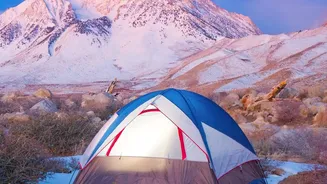
Once you've confirmed fires are allowed, site selection is your most critical decision. Always use an existing, designated fire ring if one is available. This concentrates the impact in one spot. If you must create a new spot, choose a site on bare soil or rock, at least 15 feet away from tents, shrubs, overhanging branches, and any other flammable material. In winter, you'll need to clear away any dry grass or leaves from the area. If there's snow on the ground, don't build your fire directly on it. The heat will melt the snow and drown your fire. Instead, dig down to the bare ground or create a solid platform of large, flat rocks or a layer of green logs to insulate the fire from the snow.
Building a Better Fire: The Right Fuel and Structure
A successful winter fire requires three types of wood. Start by gathering tinder (small, fluffy material that catches a spark easily, like dry grass or birch bark), kindling (finger-sized twigs), and larger fuel wood. In damp winter conditions, look for dead branches still hanging on trees, as they are likely to be drier than wood on the wet ground. Never cut down live trees or branches. Keep your fire small and manageable. A small, hot fire provides plenty of warmth and is easier to control. Two effective structures are the 'log cabin', where you stack kindling at right angles around your tinder, or the 'teepee', where you lean kindling together in a cone shape.
Managing the Flames: Constant Vigilance
A campfire should never, ever be left unattended—not even for a minute. A sudden gust of wind can send embers flying into dry vegetation, sparking a wildfire. Keep a bucket of water and a shovel nearby at all times. Supervise children and pets closely, establishing a 'no-go' zone around the fire to prevent accidents. Feed the fire with small pieces of wood gradually rather than adding large logs all at once. This helps maintain a consistent, controllable flame. As your evening winds down, stop adding fuel well in advance of when you plan to go to sleep or leave the site.
The Final Act: Extinguishing Completely
The most important protocol is ensuring your fire is 100% out. If it's too hot to touch, it's too hot to leave. The recommended method is 'Drown, Stir, Feel'. First, drown the fire with plenty of water, pouring it slowly until the hissing stops. Next, use a shovel or stick to stir the ashes and embers, making sure all the burning material is thoroughly wet. Scrape logs and sticks to ensure no embers are hiding. Finally, feel the area with the back of your hand. It should be cool to the touch. Repeat the process if you feel any warmth. Do not simply cover the fire with dirt, as embers can continue to smoulder underground and reignite later.
Leave No Trace: Protecting the Wilderness
The goal of any wilderness adventure is to leave the area as pristine as you found it. Minimising campfire impact is a core principle of Leave No Trace ethics. This means using existing fire rings, keeping fires small, and burning wood completely to ash. Once your fire is completely out and the ashes are cold, they should be scattered over a wide area away from the campsite, or packed out if local regulations require it. Never burn plastic, food wrappers, or other trash, as they can release toxic fumes and leave residue. Always pack out everything you pack in.