


The Gut Health Obsession
It seems like everyone is talking about the gut microbiome, and for good reason. This complex community of trillions of microorganisms living in our digestive tract is now understood to be a cornerstone of our overall health. A healthy gut has been linked
to everything from a stronger immune system and better digestion to improved mood and reduced risk of chronic diseases. As our understanding grows, so does the search for foods that can naturally support this delicate internal balance. This has led to a renewed interest in traditional foods that have been part of our diets for generations, but are now being seen through the scientific lens of digestive wellness.
Not Your Grandmother's Achaar
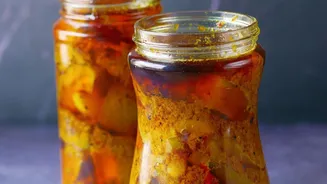
For most in India, 'pickle' brings to mind the rich, spicy, and often oil-laden achaar that accompanies every meal. While delicious, these traditional pickles are primarily designed for preservation using large amounts of oil and salt. The new wave of health-focused pickled vegetables is different. They are typically oil-free and rely on either natural fermentation or a simple vinegar brine. The focus isn't just on preservation, but on creating a food that is teeming with health benefits. Specifically, the versions that are 'naturally fermented' are prized for their probiotic content, which is crucial for gut health.
The Magic of Fermentation
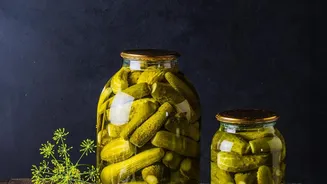
The real secret behind the gut-health claim lies in lacto-fermentation. This is the process where naturally present bacteria on vegetables convert sugars into lactic acid. This acid acts as a natural preservative, but more importantly, it creates a food that is rich in probiotics—live beneficial bacteria. These probiotics help to populate your gut with good microbes, which can improve digestion, enhance nutrient absorption, and support a healthy immune system. Unlike vinegar-based pickles, which do not contain live probiotics, naturally fermented vegetables are a living food that actively contributes to your gut microbiome's diversity and strength.
Why Oil-Free Is a Game-Changer
The 'oil-free' aspect is a key part of this trend. While traditional oils like mustard or sesame used in Indian pickles have their own benefits, consuming them in the large quantities found in many commercial achars can be a concern. Going oil-free significantly reduces the calorie count, making these pickles a lighter, healthier addition to your meals. More importantly, it shifts the focus entirely to the health benefits of the vegetables and the fermentation process. Without the heavy oil, the clean, tangy flavour of the fermented vegetables shines through, and their role as a low-calorie, high-fibre, probiotic-rich food becomes the main event.
Beyond Probiotics: Other Hidden Benefits
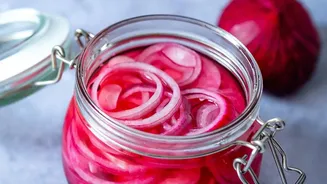
While probiotics steal the spotlight, oil-free pickled vegetables offer more. The fermentation process can increase the bioavailability of certain vitamins and minerals in the vegetables, meaning your body can absorb them more easily. Pickled vegetables are also a great source of fibre, which is essential for regular bowel movements and acts as a 'prebiotic'—food for the good bacteria already in your gut. Furthermore, using a vinegar brine (even if not fermented) can offer benefits like helping to stabilize blood sugar levels after a meal.
How to Get Started
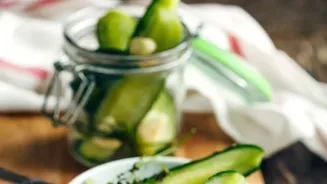
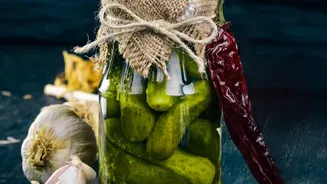
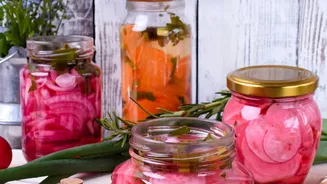
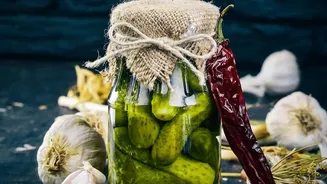
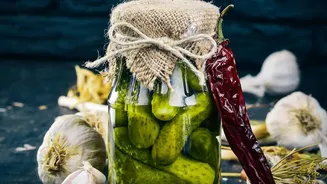
Joining this trend is easy. When buying, look for pickles in the refrigerated section, as this often indicates they contain live cultures. Check the label for terms like 'naturally fermented' and look for simple ingredients without chemical preservatives. Many brands are now offering gut-friendly options like pickled carrots, beets, and cauliflower. Alternatively, you can easily make them at home. All it takes is vegetables, salt, water, and a clean glass jar. By making your own, you can control the salt content and experiment with different vegetables and spices like ginger, garlic, or mustard seeds to create your own signature gut-boosting condiment.