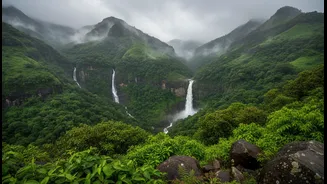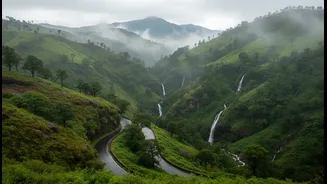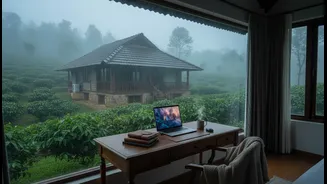









The Magic of Monsoon
For years, the monsoon was considered Coorg's off-season, a time for the hospitality industry to catch its breath. Now, it's the main attraction. Recent travel trends show a sharp increase in monsoon tourism across India, with travellers actively seeking
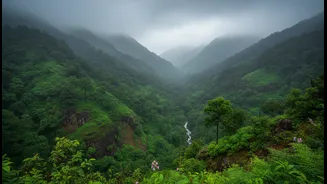
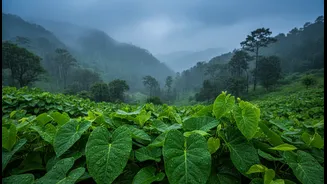
out rain-soaked landscapes. Coorg, often called the 'Scotland of India', transforms into an emerald paradise between June and September. The waterfalls are at their most powerful, the coffee plantations are shrouded in a romantic mist, and the air is fresh and cool. For a generation seeking authentic experiences over crowded tourist traps, the quiet, contemplative beauty of a rainy day in the Western Ghats is an experience in itself. It's a chance to see a popular destination in a completely different light, without the usual throngs of tourists.
An Economic Advantage
This trend isn't just about aesthetics; it's also about economics. The monsoon remains a shoulder season, which means accommodation is significantly more affordable. Villas and homestays that command premium prices in the winter can see their rates drop by 20-35%. For a young professional looking to spend a month or two working remotely, this makes a huge difference. A long-term stay in a spacious Coorg villa during the monsoon can be more cost-effective than renting an apartment in a major metro city. Many properties sweeten the deal further with special monsoon packages that include meals and other amenities, making it a financially savvy move for those with the flexibility to travel.
The 'Slow Travel' Mindset
This shift is deeply connected to the rise of 'slow travel'. In contrast to whirlwind trips that cram multiple destinations into a few days, slow travel emphasizes staying in one place for an extended period to connect with the local culture and environment. It's a direct response to widespread burnout, with surveys showing that the vast majority of Indian Gen Z and millennials have experienced workplace fatigue. Rather than a quick weekend getaway, a month-long workation allows for a genuine reset. It provides the time to establish a routine, explore local markets, discover hidden cafes, and truly unwind after the workday is done, fostering a deeper, more restorative travel experience.
The Workation Infrastructure
None of this would be possible without the infrastructure to support it. The concept of a 'workation' gained traction during the pandemic, and Coorg's hospitality sector has adapted. Recognizing the needs of digital nomads, many villas and homestays have invested in high-speed fibre internet connections and power backup systems like generators and inverters. While connectivity can still be a challenge in more remote areas, particularly during heavy rains, many properties near towns like Madikeri and Kushalnagar now offer reliable WiFi capable of handling video calls and other demanding work tasks. This blend of serene nature and practical connectivity is the key that unlocks Coorg as a premier workation destination.