



The Challenge with Plant Proteins
For years, athletes have relied on animal-based proteins like whey to rebuild muscle after intense workouts. This is because many single plant protein sources are considered 'incomplete'. Our bodies need nine essential amino acids from food to create
new muscle tissue, and not all plant sources contain sufficient amounts of each one on their own. For example, while peas are rich in certain amino acids, they are low in one called methionine. This has led to the common belief that plant-based athletes might struggle to get the complete protein profile needed for optimal recovery.
Why Combining Pea and Rice Works
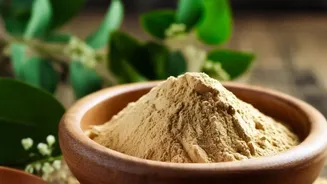
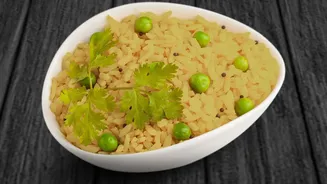
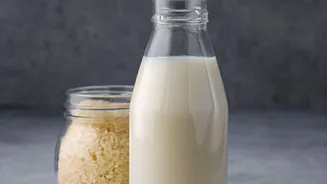
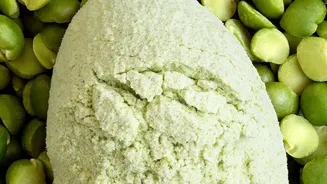
This is where the magic of blending comes in. The combination of pea and rice protein is a classic example of nutritional synergy. What one lacks, the other provides. Rice protein is low in the essential amino acid lysine but is a good source of methionine. Conversely, pea protein is rich in lysine but low in methionine. When you combine them, their individual amino acid profiles complement each other perfectly, creating a complete protein source. This blend provides all nine essential amino acids in sufficient quantities, making it comparable to animal-based proteins in terms of its muscle-building potential.
Fueling Post-Workout Recovery
After a tough workout, your muscles have tiny tears that need to be repaired. This repair process, called muscle protein synthesis, is what makes you stronger. To kickstart this process, your body needs a ready supply of amino acids, particularly branched-chain amino acids (BCAAs). A pea and rice protein blend is not only a complete protein but also a rich source of BCAAs, which are crucial for reducing muscle damage and soreness. Studies have shown that pea protein alone can stimulate muscle growth similar to whey when combined with resistance training, and blending it with rice protein only enhances this effect by ensuring the full spectrum of amino acids is available for your body to use.
Benefits Beyond the Muscle
The advantages of a pea and rice protein blend aren't just limited to muscle repair. For many people in India, digestive comfort is a major factor. This combination is hypoallergenic, meaning it's free from common allergens like dairy, soy, and gluten, making it a gentle option for those with lactose intolerance or sensitive stomachs. The processing of peas and rice into protein isolates removes much of the starch and fibre, which can improve digestibility and absorption. Some studies even suggest that blending these two proteins can enhance their digestibility compared to using them separately.
Making the Right Choice for You
With the rising popularity of plant-based nutrition in India, numerous brands now offer pea and rice protein blends. When choosing a supplement, it is wise to look for products with minimal added sugars and artificial ingredients. The goal is to get a clean protein source to support your health goals. While some research suggests a 50/50 or 70/30 ratio of pea to rice is effective, the key is that they are combined to create a complete profile. Ultimately, this blend offers a highly effective, digestible, and sustainable option for anyone looking to optimize their workout recovery, whether they follow a vegan diet or simply want to incorporate more plant-based foods into their routine.