



The Old Space Race vs. The New Space Rush
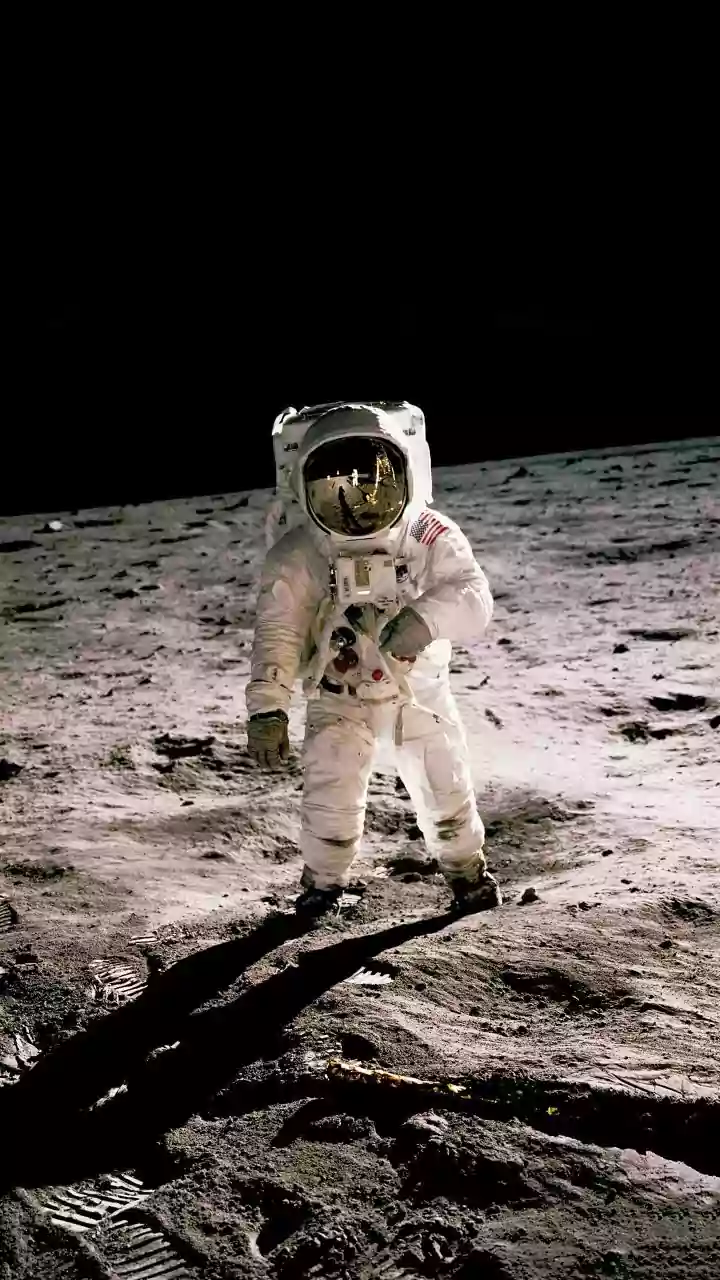
The 20th-century space race was a monumental clash of ideologies, funded by colossal government budgets. The goal was national prestige. Today, the landscape is unrecognisable. While government agencies like ISRO and NASA remain crucial for exploration
and science, the commercialisation of Low Earth Orbit (LEO) is now a mature industry. This new rush is driven not by geopolitics, but by economics, innovation, and a vision for a multi-planetary future. Since India opened its space sector to private players in 2020, the ecosystem has transformed from a government-led program into a dynamic national enterprise. Startups and established companies are now vital to India's goals, participating in everything from manufacturing to launch services.
The Cost Revolution
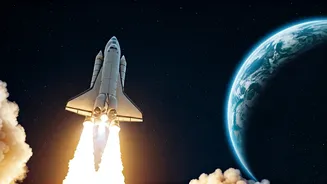
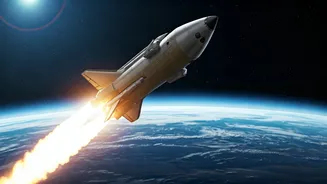
The single biggest barrier to space has always been cost. Historically, launching a payload into orbit was prohibitively expensive, with NASA's Space Shuttle costing an estimated $54,500 per kilogram. Private innovation, particularly the development of reusable rockets by companies like SpaceX, has shattered this barrier. By perfecting the art of landing and reusing rocket boosters, the cost to LEO has plummeted by a factor of 20, to as low as $2,720 per kilogram on a Falcon 9. Some estimates place the cost for a Falcon Heavy as low as $1,400 per kilogram. This dramatic cost reduction is the engine powering the new space age. It makes entirely new business models possible, from mega-constellations of internet satellites to orbital manufacturing and tourism.
Innovation at Rocket Speed in India
Private companies, free from bureaucratic inertia, can innovate at a breathtaking pace. In India, a new generation of space-tech startups is making its mark. Hyderabad-based Skyroot Aerospace became the country's first space-tech unicorn in May 2026, reaching a valuation of $1.1 billion. Having launched India's first-ever private rocket, Vikram-S, in 2022, the company is now preparing for the orbital launch of its Vikram-1 rocket. Meanwhile, Chennai's Agnikul Cosmos has pioneered the world's first single-piece 3D-printed rocket engine, a technology that dramatically cuts manufacturing time. Following a successful sub-orbital test in 2024, the company is focused on reusability for its upcoming commercial missions. These companies, and the more than 400 space startups now active in India, are not just building rockets; they are building a self-reliant and innovative national capability.
A New Ecosystem, Enabled by Policy
This private-sector boom in India didn't happen in a vacuum. It has been actively cultivated by government policy. The establishment of the Indian National Space Promotion and Authorisation Centre (IN-SPACe) created a single-window agency to promote, authorise, and supervise private space activities. This move allows ISRO to focus on its core mandate of research and development for advanced missions. The government is actively transferring proven technology to private players, including for its workhorse PSLV rocket, to accelerate growth and position India as a global launch hub. ISRO provides extensive technical support and expertise to startups, as seen in its collaboration with Agnikul on its recent launch. IN-SPACe is also inviting private firms to build and operate ground stations on ISRO property, creating a "Ground Station as a Service" ecosystem.
Creating New Frontiers and Markets
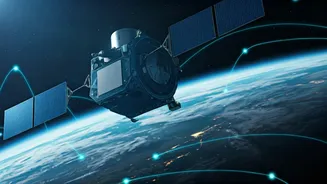
The impact of private missions extends far beyond launching satellites more cheaply. These companies are creating entirely new markets. Satellite internet constellations are connecting the most remote parts of the globe. As the International Space Station nears retirement, private firms like Axiom Space and Vast are building the next generation of commercial space stations, which will serve as orbital hotels, research labs, and factories. Looking further ahead, private enterprise is essential for establishing a sustained human presence on the Moon. Companies are developing lunar landers and rovers, with some even targeting the future extraction of resources like water ice, which could be converted into rocket fuel for missions to Mars and beyond. The final frontier, it turns out, is open for business.