






The Showroom Floor Mirage
Most footwear stores have soft, carpeted floors. While comfortable, this environment can mask a shoe's potential shortcomings. The cushioning of the carpet can make even a poorly supportive shoe feel comfortable for a few minutes. It absorbs impact and
hides how the shoe might actually feel on harder, less forgiving surfaces like concrete, pavement, or hardwood, which many of us walk on daily. This is why simply walking a few steps on a rug isn’t a true test. A shoe that feels great in-store might reveal its lack of arch support or poor cushioning once you get it home, leading to discomfort or even conditions like plantar fasciitis.
For Runners: Pavement and Treadmills
If you are a runner, the surface you train on is paramount. Running on soft surfaces requires more energy, while harder surfaces are tougher on your joints. Specialty running stores often have treadmills for this very reason—use them. This allows you to test the shoe's shock absorption, stability, and responsiveness during your natural gait. If there's no treadmill, don't be shy about asking if you can jog on the pavement just outside the store. Pay attention to how your feet, ankles, and knees feel on the harder surface. The right shoe should provide adequate cushioning for hard terrains like roads but also offer support to prevent overuse injuries.
For Court Sports: Grip and Lateral Stability
Basketball, tennis, and volleyball demand rapid, multi-directional movements, pivots, and jumps. For these activities, testing a shoe on a surface that mimics a court is essential. The grip, or traction, is one of the most important features. You need to ensure the shoe can handle quick stops and changes in direction without slipping. A good basketball shoe should have a snug fit where your heel feels locked in and your foot doesn't slide side-to-side. Many high-end athletic stores have small sections with hardwood or a similar synthetic surface to test this. Perform some lateral shuffles and quick pivots to see how the shoe supports your ankle and responds to the movements your sport requires.
For Hikers: Uneven Ground and Inclines
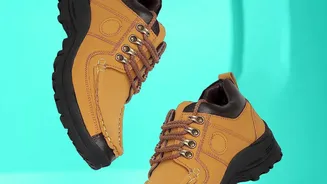
Testing hiking boots is another unique challenge. While you can't exactly hit a mountain trail, many outdoor retailers have dedicated test areas with ramps, rocks, and uneven surfaces. Use these features to your advantage. Walk up and down the ramp to check for heel slippage or your toes jamming into the front of the boot—a common issue on descents. Step on the rocks to feel how well the sole protects your foot and how stable your ankle feels. A good hiking boot should be comfortable and supportive across various types of terrain. The goal is to simulate the stresses of a real hike as much as possible before you're miles from the trailhead.
For Work and Everyday Life: The Long Haul
For the shoes you'll wear every day to the office or while running errands, think about the surfaces you encounter most often: concrete sidewalks, linoleum floors, or hardwood. The most important test for an everyday shoe is time. Don’t just stand there; walk around the store for at least 10-15 minutes. This helps you notice pressure points or areas that might rub. Since feet tend to swell throughout the day, it's often recommended to shop for shoes in the afternoon or evening to get the most accurate fit. The perfect everyday shoe is one you forget you're even wearing.