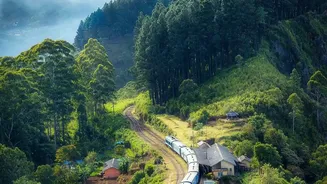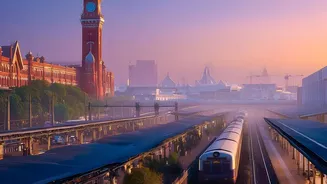






The Quintessential Train Journey
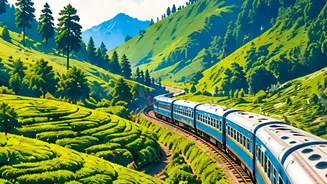
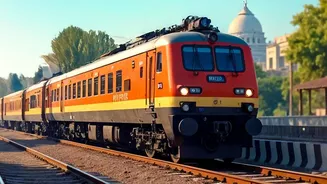
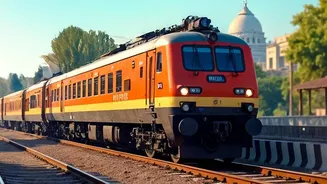
Indian Railways is more than just a transport network; it's a cultural institution. For many, it's the most authentic way to see the country. An overnight journey in an air-conditioned coach offers a unique slice of life. You'll share space with families,
students, and business travellers, often sparking conversations that last for hours. Outside your window, a cinematic view of India's diverse landscapes unfolds, from lush green fields to arid plains, all while vendors patrol the aisles selling hot chai, snacks, and full meals. While seasoned travellers know that train journeys can be hectic, crowded, and unpredictable, they are also an unforgettable immersion into the daily rhythms of the nation. It’s an experience that demands patience but rewards with a genuine connection to the country and its people.
The Spontaneous Shift to the Road
The headline experience—switching from rail to road—is a classic Indian travel pivot. This often happens when train tickets are sold out, a train is significantly delayed, or you simply want more flexibility. For many visitors, hiring a private car and driver is the most comfortable and flexible way to explore regions like Rajasthan. This option allows you to travel door-to-door, set your own schedule, and make unplanned stops at interesting roadside temples, villages, or viewpoints that a train would bypass entirely. While road travel can be slower due to traffic and variable road conditions, it offers a level of freedom and discovery that’s hard to match. It’s the difference between watching the landscape and being in it.
Savouring the Roadside Dhaba
No road trip in India is complete without a stop at a dhaba. Originally simple roadside eateries for truck drivers on highways like the Grand Trunk Road, dhabas have become beloved culinary destinations for all travellers. Characterised by their unpretentious settings, which traditionally featured woven 'charpai' cots for seating, they serve fresh, hearty, and flavourful local food. The menu is often simple but powerful: dal tadka bubbling with woodsmoke, perfectly charred tandoori rotis, seasonal vegetable dishes, and parathas served with a generous dollop of white butter. While some modern dhabas have evolved into fancier establishments, the core appeal remains—authentic, delicious food that provides comfort to weary travellers.
Mastering the Art of 'Jugaad' Travel
'Jugaad' is a quintessential Hindi term for resourceful, creative improvisation—finding a clever solution using limited resources. In Indian travel, this mindset is a survival skill. It could mean hopping onto a 'phat-phatiya' rickshaw (a vehicle often cobbled together from a motorcycle and other parts) or a shared taxi when your bus doesn't show up. It's the spirit of making things work against the odds, a flexibility that turns potential travel disasters into memorable adventures. This could also be a farmer using an old bicycle to power an irrigation pump or a shopkeeper rigging a fan to a car battery during a power cut. For a traveller, embracing jugaad means staying open-minded and trusting that there is almost always a way to get where you need to go, even if it's not the one you planned.
Navigating the Urban Auto-Rickshaw
In any Indian city, the auto-rickshaw is king. These three-wheeled vehicles are the lifeblood of urban transport, weaving through traffic with an agility that larger cars can't match. For a first-timer, a ride can feel like an adrenaline-fueled adventure. Negotiating the fare beforehand is part of the ritual, as is holding on tight as your driver navigates the bustling streets. It’s often the fastest and most efficient way to cover short to medium distances within a city, offering an unfiltered, open-air experience of the sights, sounds, and smells around you. It’s a noisy, bumpy, but utterly essential part of the Indian urban experience.