

Why the Air Fryer Works Wonders
The magic of an air fryer lies in its ability to mimic the results of deep-frying using just a fraction of the oil. It works by circulating superheated air at high speed, creating a dry, hot environment that crisps up the surface of foods. This process,
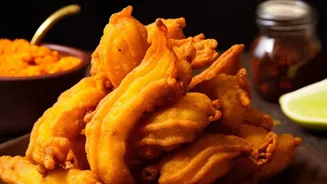
known as convection, cooks food evenly and efficiently, wicking away moisture to deliver that coveted crunch. For beloved Indian snacks that are traditionally fried, this technology is a game-changer. It allows us to enjoy the textures and flavours we love—from crispy banana chips to flaky samosas—without the excess fat, making our favourite teatime treats much healthier.
Start with the Right Banana
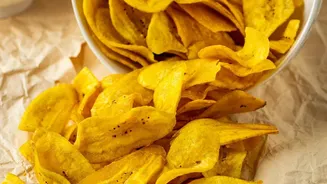
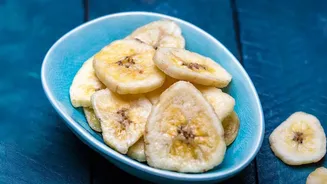
The foundation of a great banana chip is, unsurprisingly, the banana itself. For the most authentic, Kerala-style chips, look for unripe Nendran bananas. This specific plantain variety, widely available in South India, is starchier and less sweet than regular dessert bananas like the Cavendish. Its firm, dense flesh holds its structure perfectly during cooking, resulting in a chip that is thick, crunchy, and doesn't become greasy or mushy. If you can't find Nendran, choose the greenest, most unripe plantains available. The key is to avoid soft, ripe bananas, as their high sugar and water content will cause them to steam and soften rather than crisp up.
Prep Work for Perfect Crispiness
Proper preparation is non-negotiable for achieving a superior crunch. First, slice the bananas into thin, uniform rounds. A mandoline slicer is your best friend here, as it ensures every slice is consistently thin—aim for about 1/8th of an inch. For an authentic touch, briefly soak the slices in a bowl of water mixed with a pinch of turmeric powder and salt. This not only imparts a beautiful golden colour and subtle flavour but also helps in the crisping process. After soaking for a minute, the next step is critical: pat the slices completely dry with a paper towel. Any lingering surface moisture is the enemy of crispiness and will cause the chips to steam in the air fryer.
The Air Frying Masterclass
Now for the main event. First, lightly spray or brush your banana slices with a minimal amount of oil—coconut oil is traditional for Kerala chips. You only need enough for a light sheen; too much oil will make them soggy. The most important rule of air frying is to never overcrowd the basket. Arrange the slices in a single, even layer, ensuring they don't overlap. This allows the hot air to circulate freely around each chip. You will likely need to cook in batches. Set your air fryer to around 160-180°C. Cook for 10-15 minutes, shaking the basket or flipping the slices halfway through to ensure they cook evenly. Keep a close eye on them during the last few minutes, as they can go from golden to burnt very quickly.
The Final, Crucial Step: Cooling
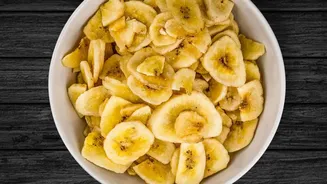
Here's a secret that many new air fryer users miss: the chips will not be perfectly crispy the moment you take them out. They will likely feel slightly soft or pliable. The final transformation happens as they cool. Once the cooking time is up, immediately transfer the hot banana chips to a wire rack in a single layer. As the air circulates around them, they will release steam and continue to harden, developing that signature, satisfying snap. Allow them to cool for at least 10 minutes before enjoying. This cooling period is just as important as the cooking itself, so be patient. Once completely cool, store them in an airtight container to maintain their crunch.
Beyond Chips: Other Regional Fritters
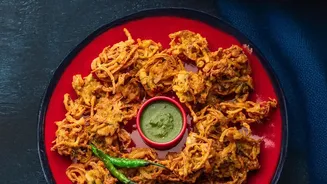
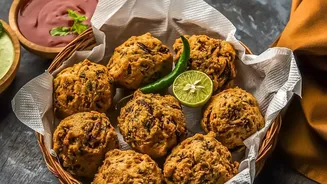
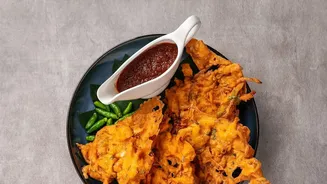
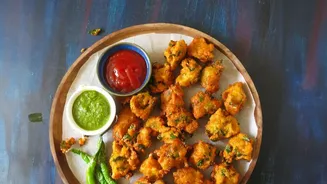
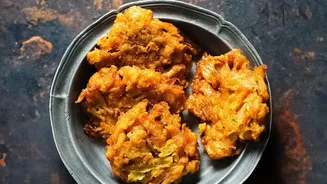
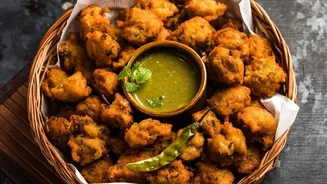
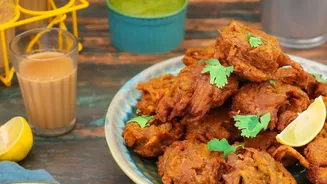
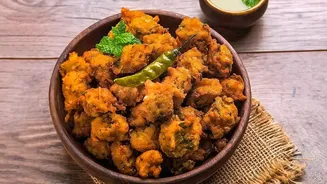
The headline promises more than just banana chips, and your air fryer is ready to deliver. Many other Indian fritters adapt beautifully to this cooking method. For onion pakoras, use a much thicker besan batter than you would for deep-frying and shape the mixture into flat patties to ensure they hold together. Frozen samosas and veg cutlets crisp up wonderfully with just a light brushing of oil, often tasting nearly identical to their deep-fried counterparts. Even aloo tikkis, made with a binder like breadcrumbs, develop a fantastic crust. While snacks with very wet batters like medu vada can be tricky, it's possible if the batter is thick and chilled before cooking. Experiment with your favourites—you’ll be surprised at what you can create.